Blogs
Emergency Services
For emergency service, call now:
(586) 610-8608⚡ Fast Response | Expert Repairs | Trusted Service

For emergency service, call now:
(586) 610-8608⚡ Fast Response | Expert Repairs | Trusted Service


Late summer brings increased wildlife activity as young animals leave their nests and others search for winter shelter. Mobile and manufactured homes can be especially vulnerable to raccoon and squirrel damage around skirting, vents, insulation, and rooflines.
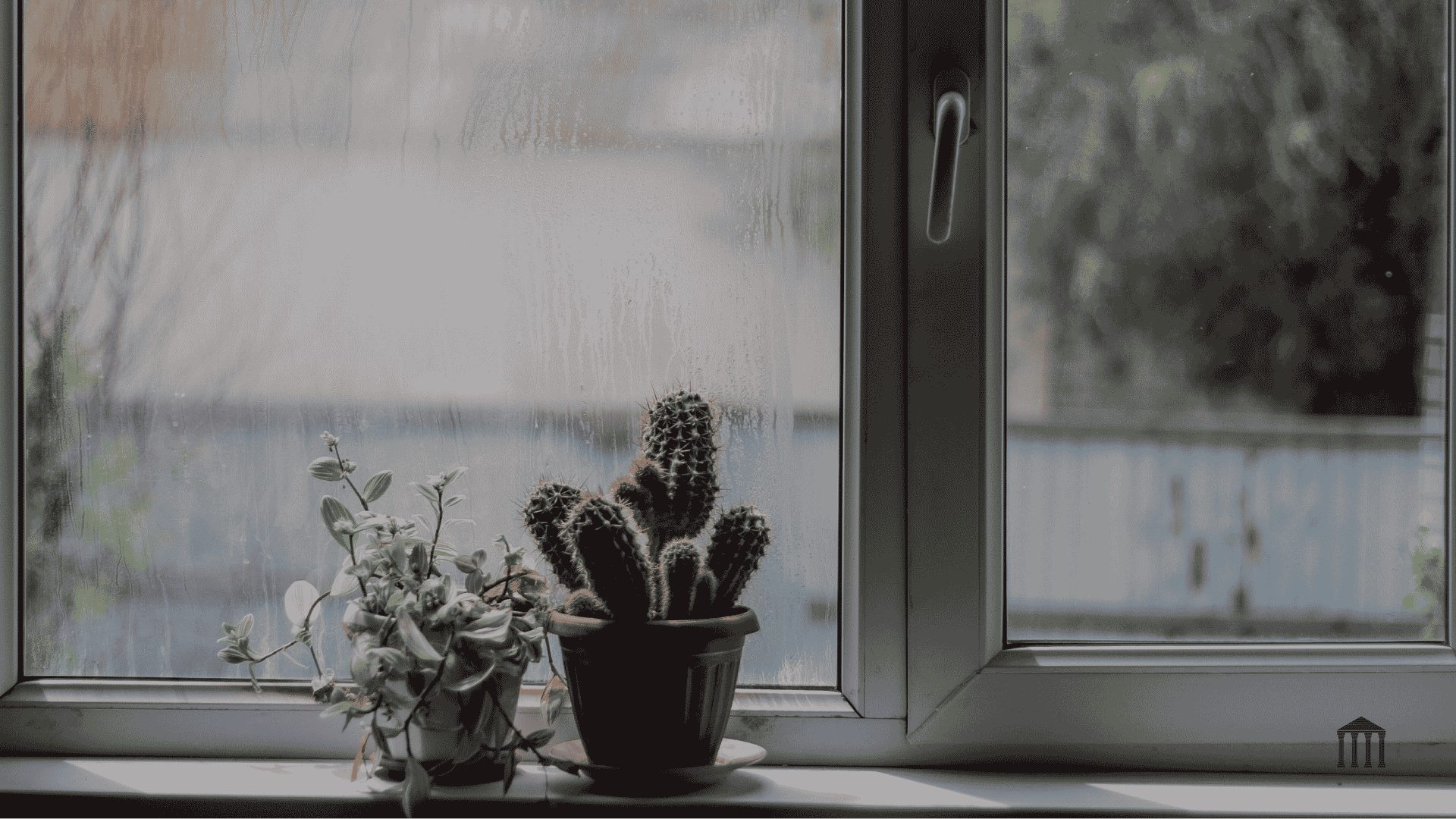
Hidden moisture can build inside manufactured home walls, flooring, and crawlspaces long before visible damage appears. Early signs like musty odors, soft flooring, condensation, and small stains can signal a problem that needs closer inspection.
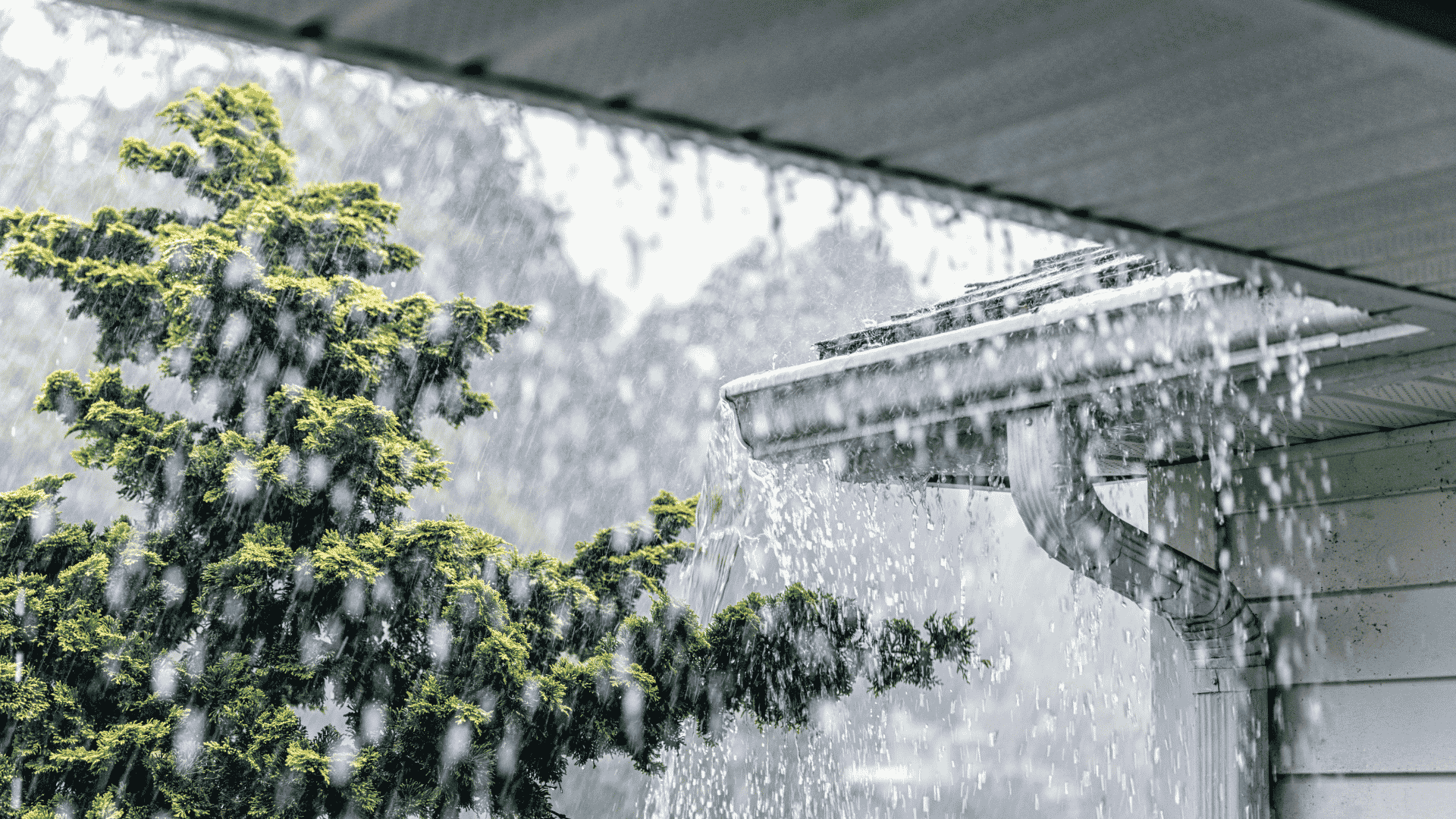
Late summer storms can leave manufactured homes with hidden damage to roof seams, skirting, belly wrap, insulation, and foundation supports. Recognizing subtle signs of water intrusion and structural movement early can help prevent mold and more extensive repairs.

August heat and humidity can create ideal conditions for hidden mold growth inside manufactured home crawlspaces, attics, and wall cavities. Recognizing musty odors, soft flooring, moisture, and discoloration early can help prevent more extensive damage.

Persistent musty odors in mobile and manufactured homes can signal hidden moisture, mold, crawlspace problems, or water damage. Finding the source early can help prevent structural damage and more expensive repairs.
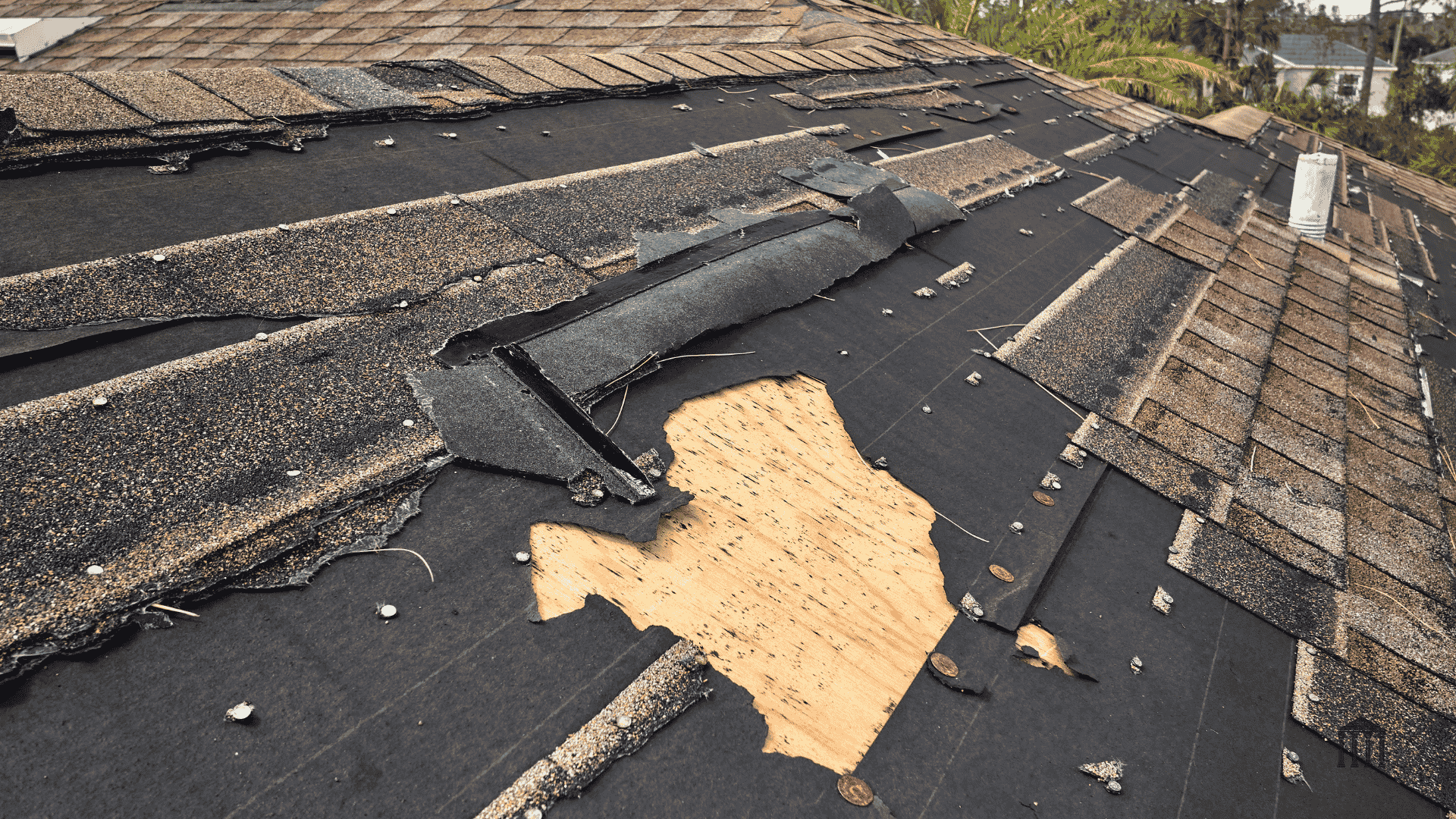
A quick inspection after a Michigan storm can help manufactured homeowners catch roof, siding, skirting, and water damage before it becomes a much larger repair. Knowing what to look for and acting quickly can protect your home and reduce long-term restoration costs.

Emergency restoration begins with a rapid assessment, water extraction, structural drying, and identifying hidden damage before it spreads. Fast action can help protect manufactured homes from mold, structural issues, and more extensive repair costs.

Squirrels, raccoons, and possums each damage manufactured homes differently, from chewing electrical wiring to destroying insulation and contaminating crawlspaces. Identifying the animal early can help prevent more extensive and expensive repairs.

A musty smell in a manufactured home is often an early sign of hidden moisture from crawlspaces, attics, plumbing leaks, or damaged skirting rather than just summer humidity. Identifying and fixing the source quickly can help prevent mold, structural damage, and costly repairs.
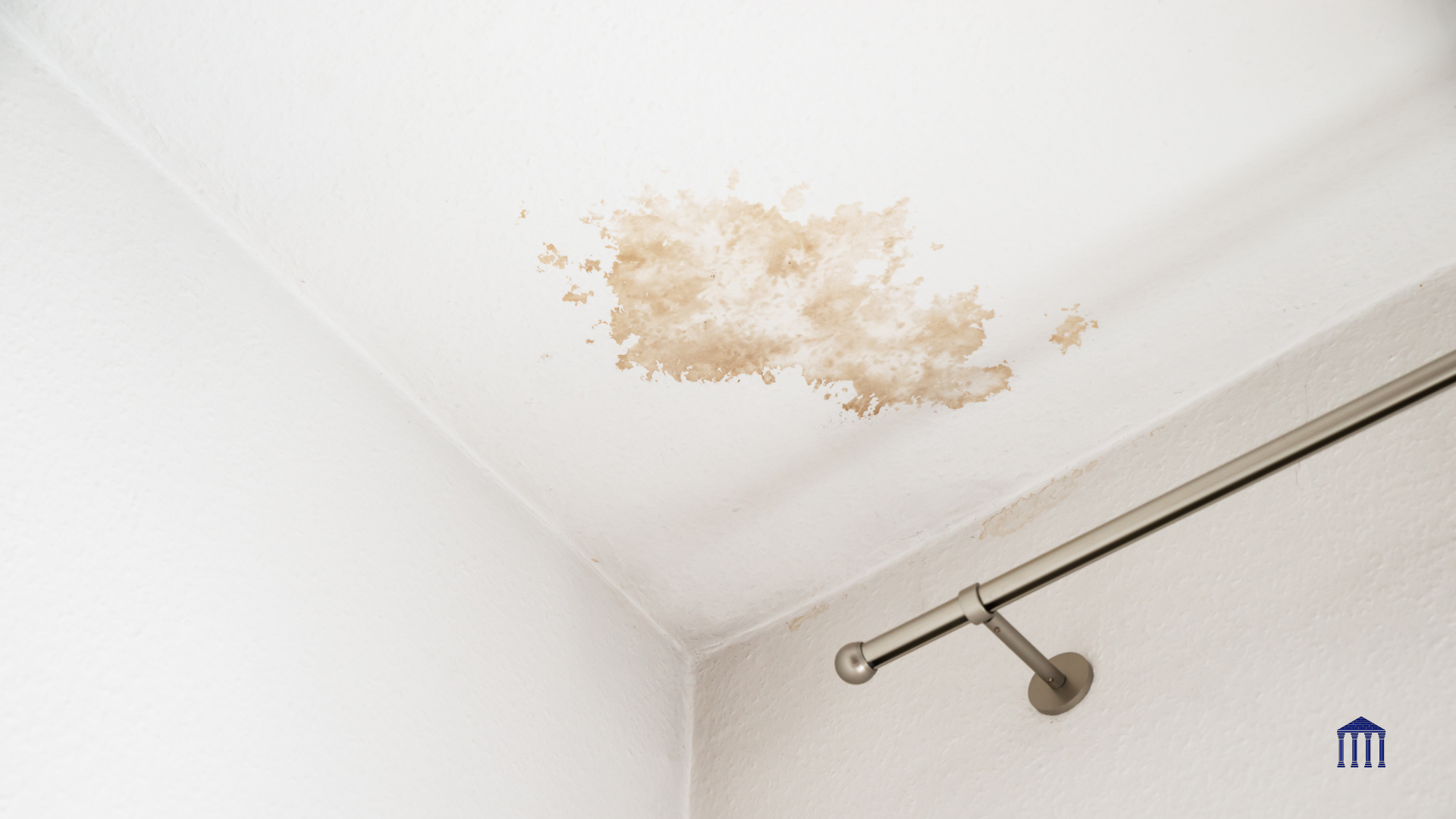
July storms can create hidden roof leaks that spread moisture through manufactured homes before visible damage appears. Recognizing early warning signs and responding quickly can help prevent mold, structural damage, and costly repairs.
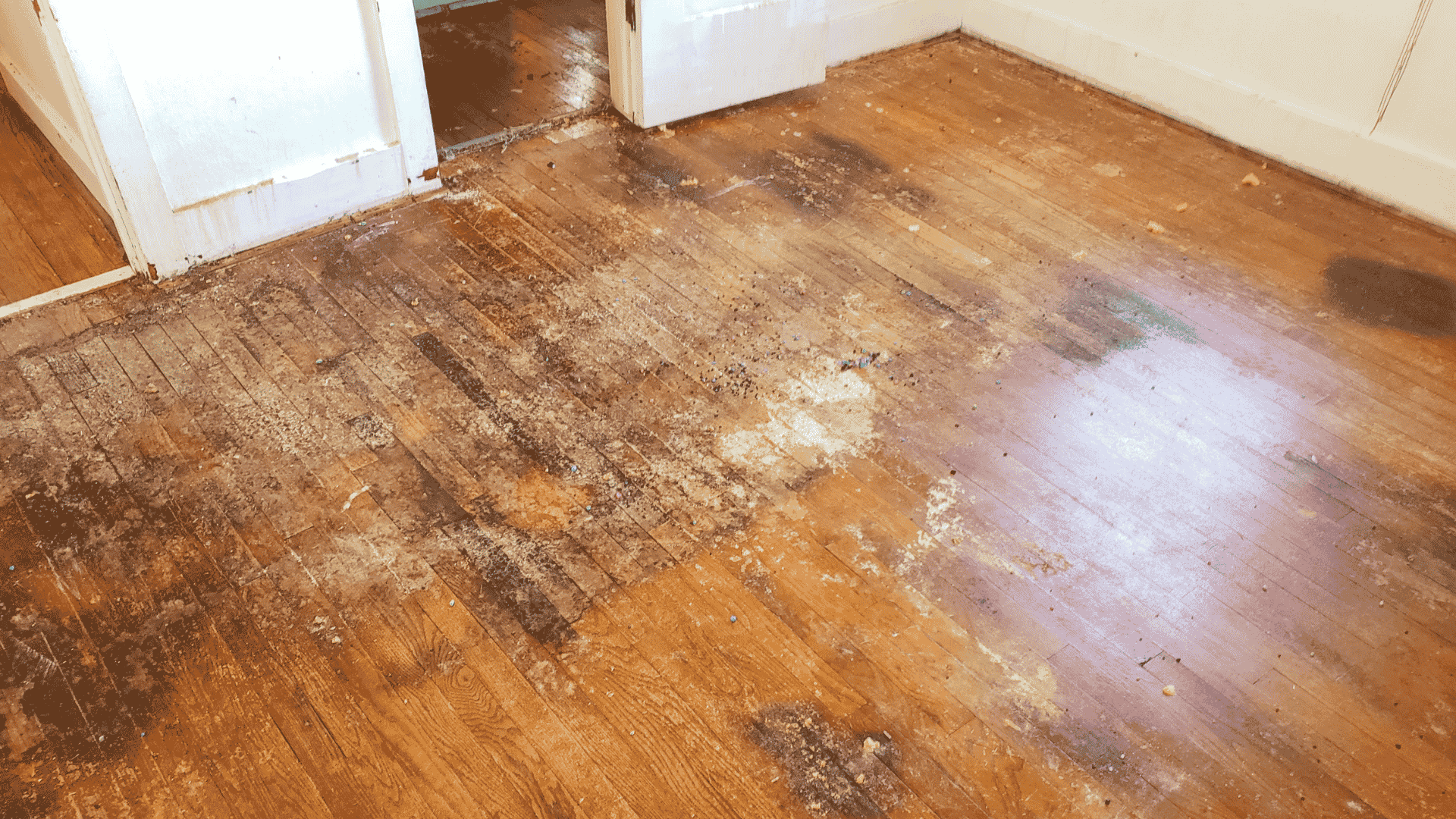
Water damage in manufactured homes often spreads far beyond what is visible, affecting subfloors, insulation, wall cavities, and structural components before obvious signs appear. Soft floors, recurring stains, musty odors, sticking doors, warped panels, and visible mold can all indicate that moisture has already caused significant hidden damage. Early detection and a thorough inspection can prevent costly repairs, mold growth, and extensive structural deterioration.
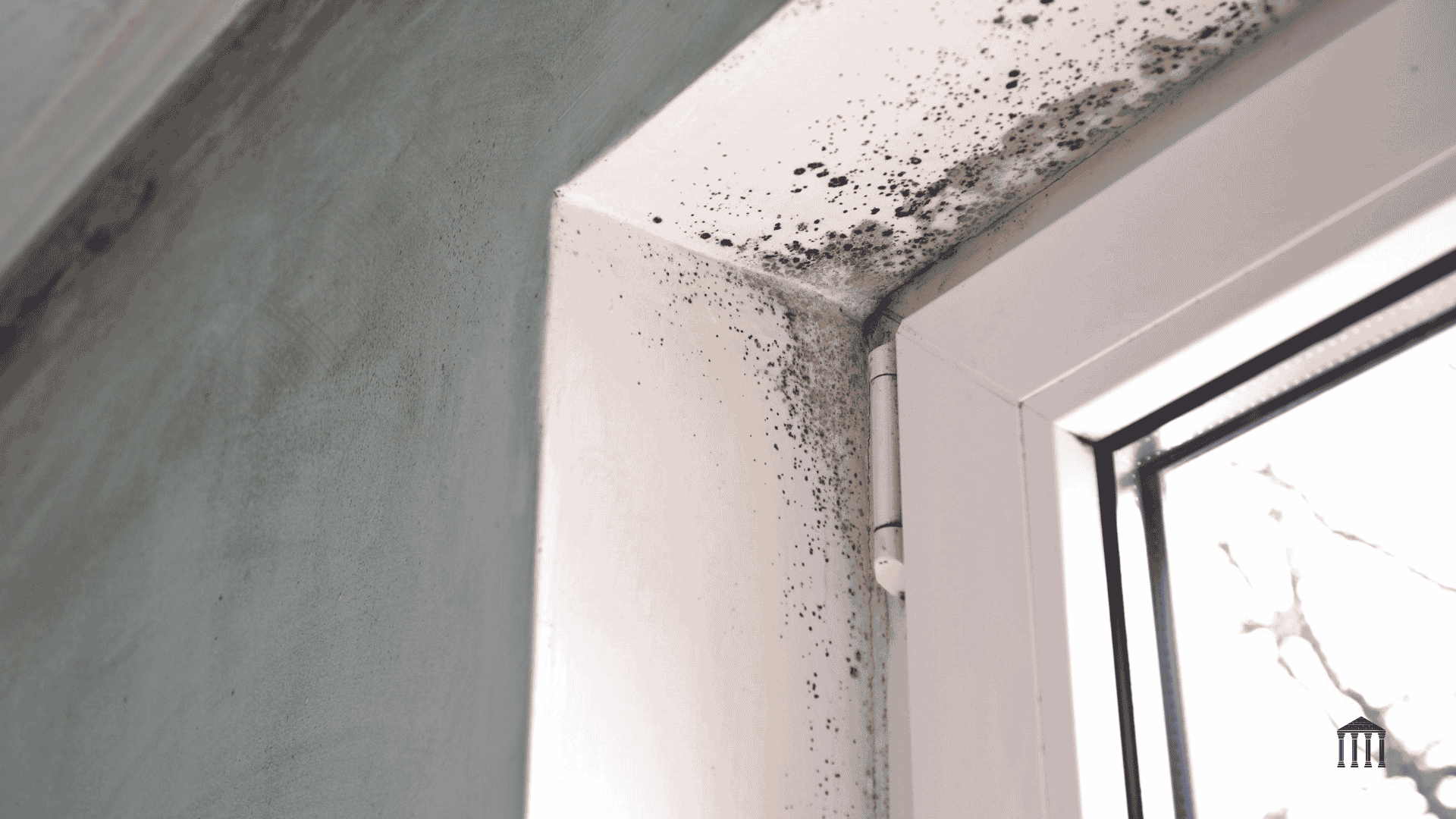
Summer humidity creates ideal conditions for mold growth in manufactured homes by allowing moisture to accumulate in crawlspaces, attics, wall cavities, ductwork, and beneath flooring. Because many building materials commonly used in manufactured homes absorb and retain moisture, mold can spread quickly and remain hidden until odors, soft floors, or health-related symptoms appear. Identifying and correcting the underlying moisture source is essential to preventing recurring mold problems and costly structural damage.
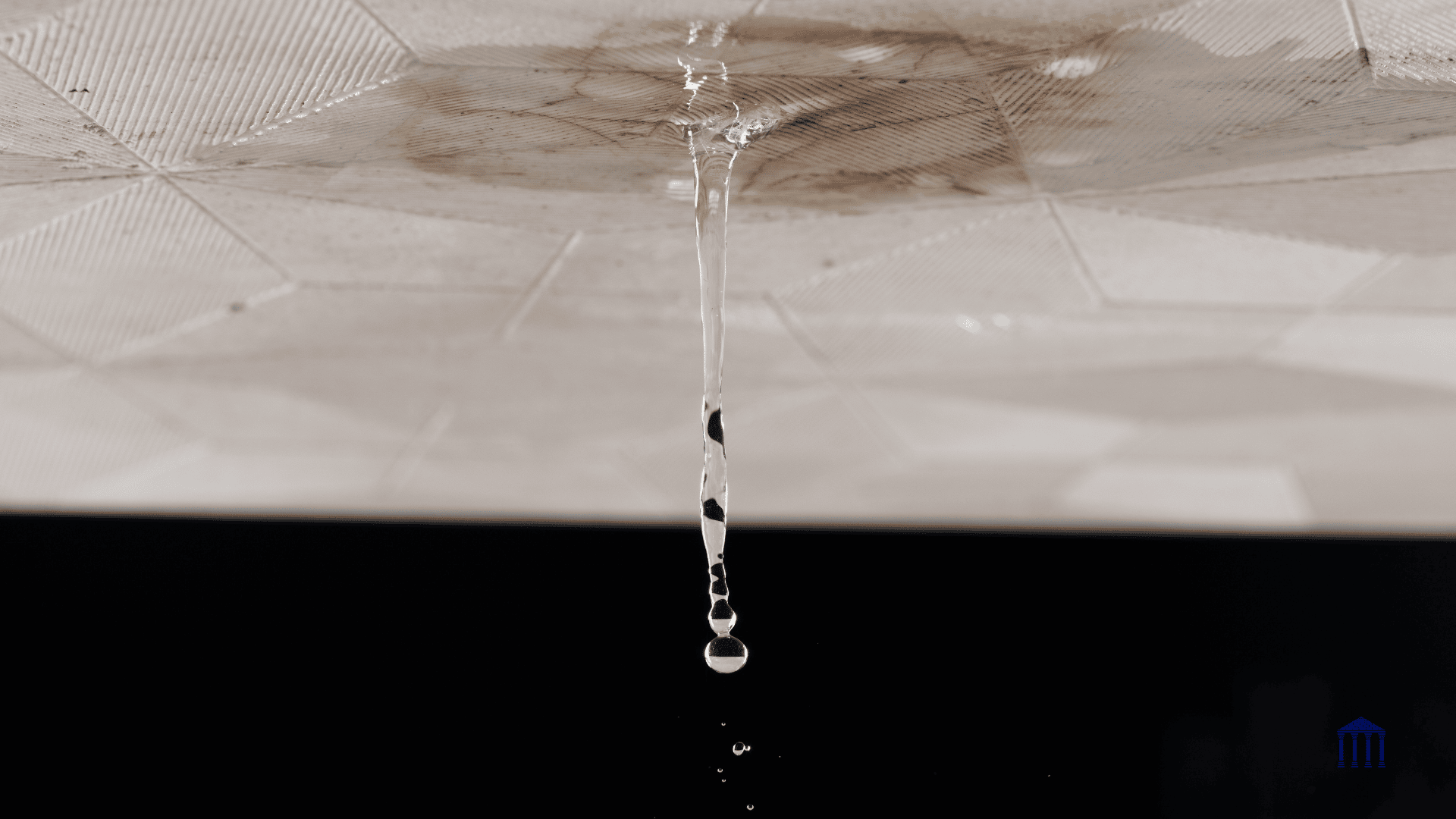
A small leak in a manufactured home can quickly turn into a major repair project because moisture spreads through subfloors, insulation, walls, and structural components long before visible signs appear. Water damage often originates from roof penetrations, plumbing lines, windows, crawlspaces, or HVAC systems, making professional moisture detection essential for identifying the true source and extent of the problem. Addressing leaks early can save homeowners thousands of dollars by preventing structural deterioration, mold growth, and extensive restoration work.

Wildlife intrusion in manufactured homes can cause extensive hidden damage to insulation, ductwork, wiring, vapor barriers, and structural components long before homeowners realize the full extent of the problem. Animals such as raccoons, squirrels, rodents, and birds often enter through small openings and create health, safety, and moisture-related issues that continue even after they leave. Early inspection and comprehensive repairs help prevent escalating restoration costs, energy loss, mold growth, and potential fire hazards.

The actions taken during the first hour after discovering water damage can significantly reduce the extent of repairs in a manufactured home. Homeowners should focus on stopping the water source, shutting off electricity in affected areas, protecting belongings, and documenting damage while avoiding actions that can worsen the situation. Quick, informed responses help limit moisture spread, protect structural materials, and support a more accurate restoration process.
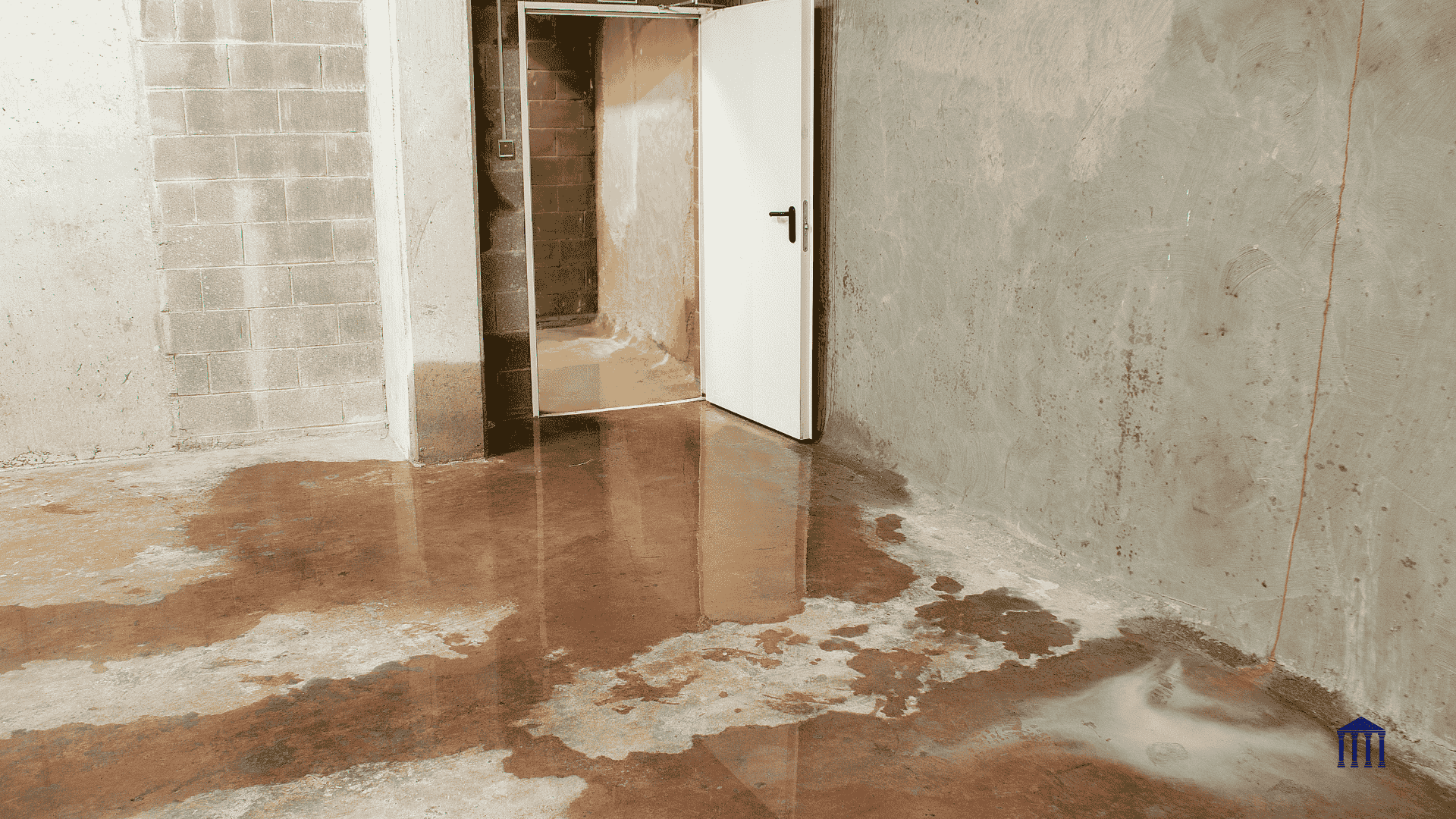
Spring weather in Michigan creates ideal conditions for basement and crawlspace flooding, especially in mobile and manufactured homes. Early warning signs like soft floors, musty odors, and sticking doors often point to hidden moisture issues that can quickly worsen. Proactive steps like inspecting sump pumps, addressing drainage problems, and acting quickly at the first sign of water can prevent costly structural damage.
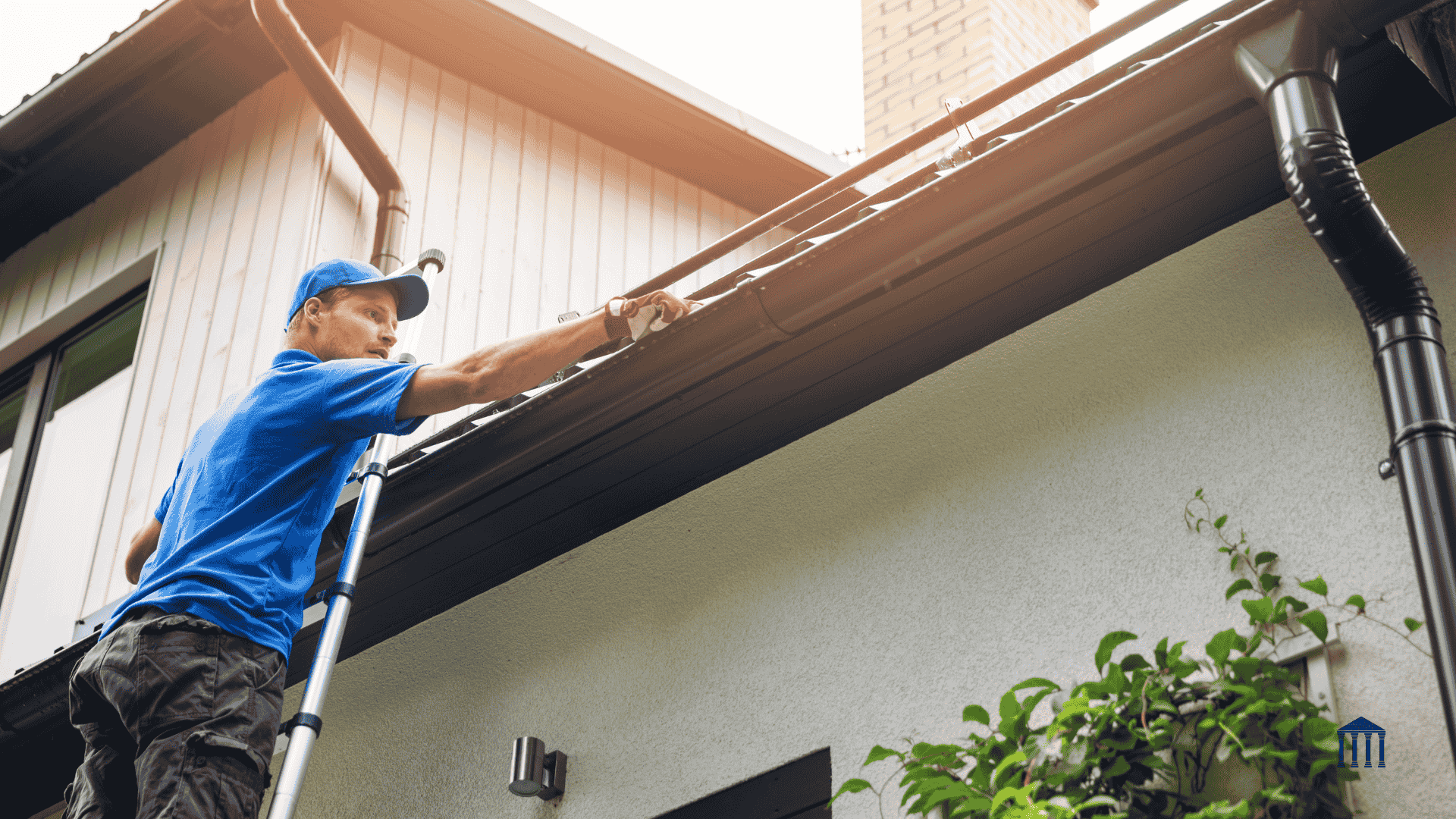
Clogged or damaged gutters in spring can quickly lead to roof leaks, fascia rot, and moisture buildup around a home’s foundation. When water backs up or overflows, it creates a chain reaction that can result in interior damage and costly repairs. Regular maintenance, early inspections, and proper drainage are key to preventing these issues before heavy April rains arrive.
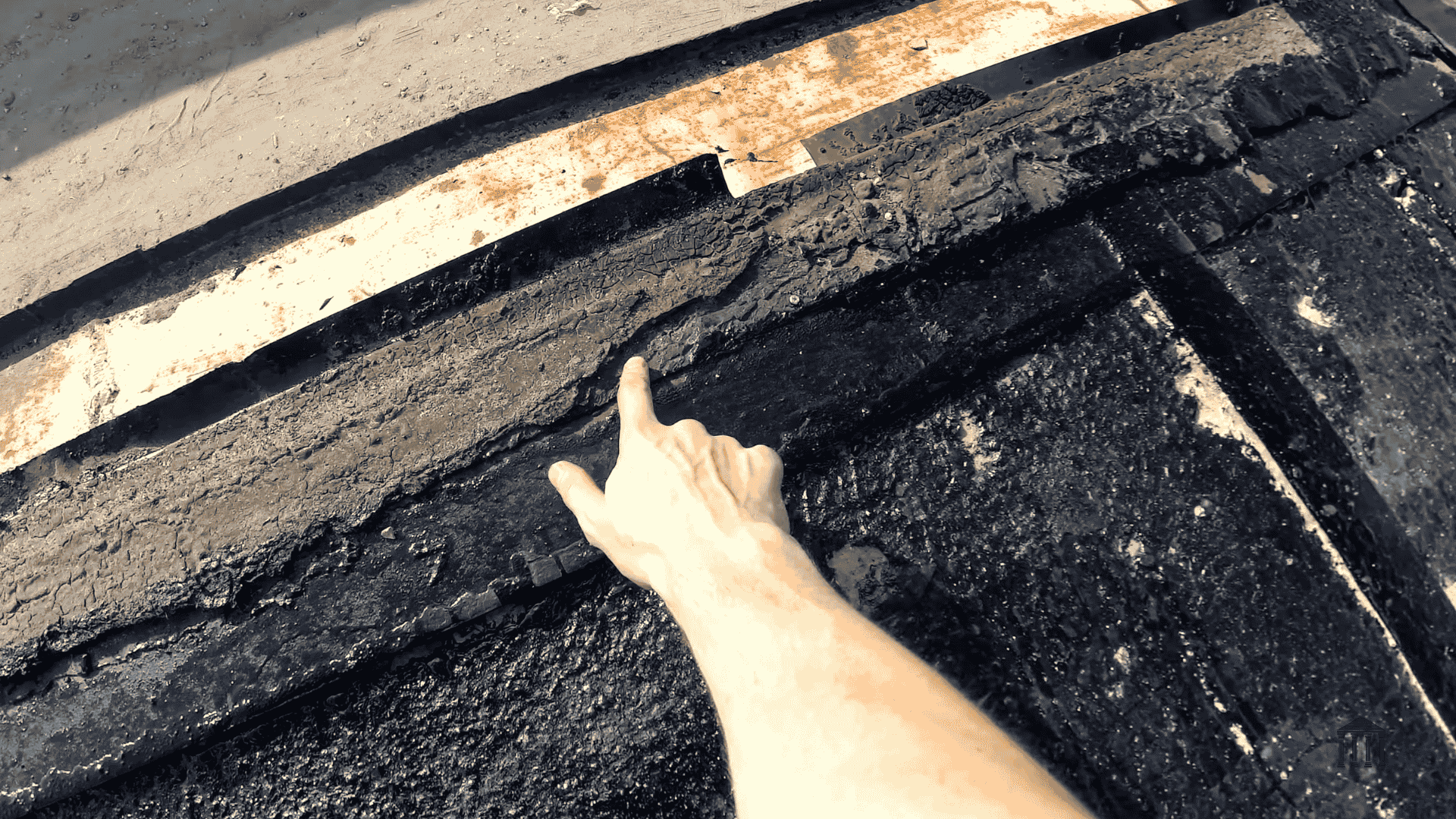
Spring storms in Michigan can expose hidden weaknesses in manufactured home roofs, leading to water intrusion and costly interior damage. Even minor issues like lifted seams or small punctures can quickly escalate when high winds and rain are involved. Regular inspections, early repairs, and post-storm checks are essential to protecting your home from preventable damage.

Spring water damage can be an opportunity to not only repair your home but improve it with modern, more durable materials. Areas like flooring, insulation, siding, and windows often require restoration, making them ideal for strategic upgrades. Combining repairs with remodeling can reduce disruption while increasing comfort, efficiency, and long-term value.
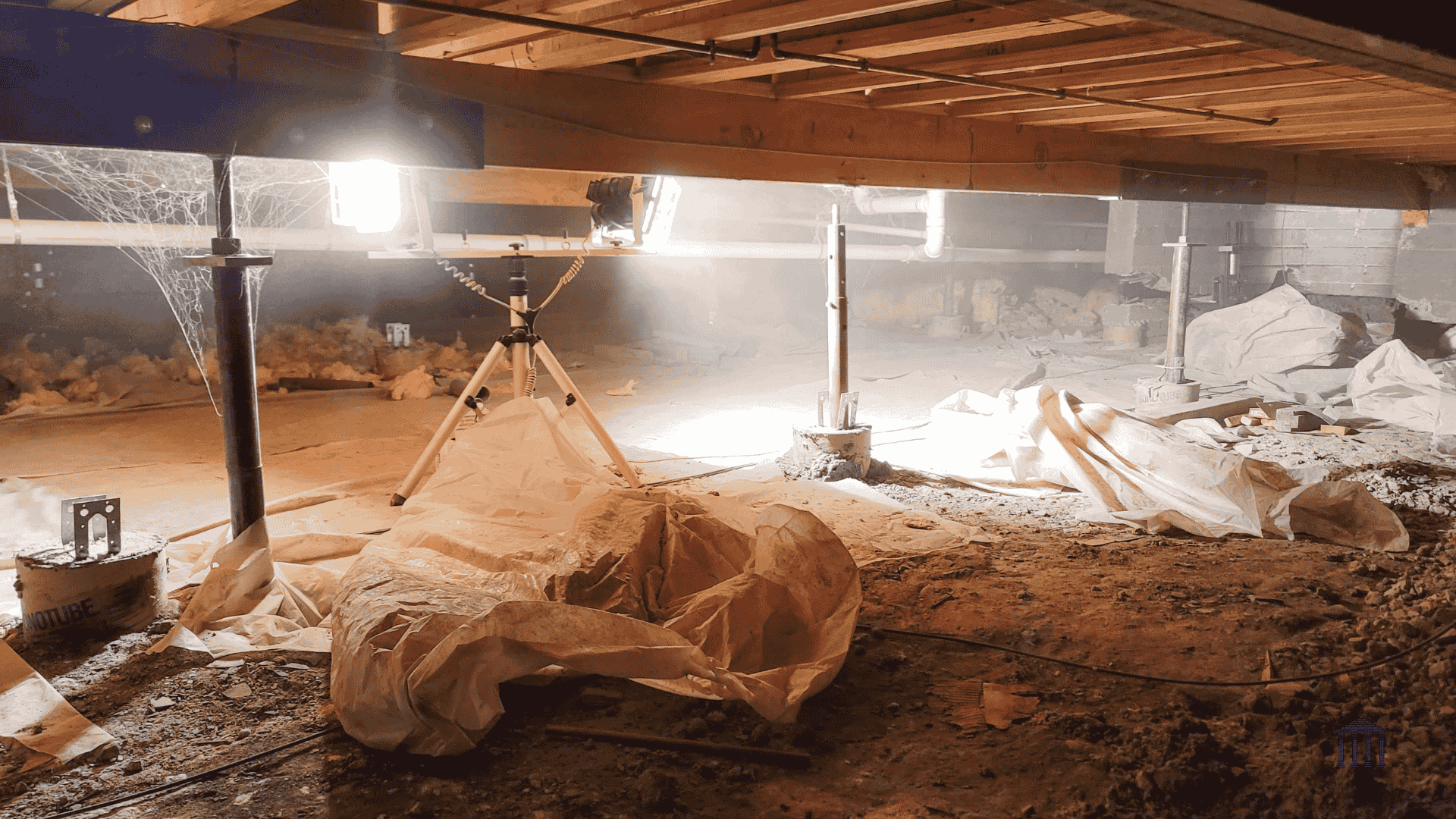
Spring rain can saturate the ground beneath manufactured homes, leading to hidden crawlspace moisture that damages subfloors, insulation, and structural supports. Left unchecked, this environment can promote mold growth and even cause foundation instability over time. Identifying early warning signs and addressing moisture at its source is essential to preventing costly repairs and protecting your home’s long-term integrity.
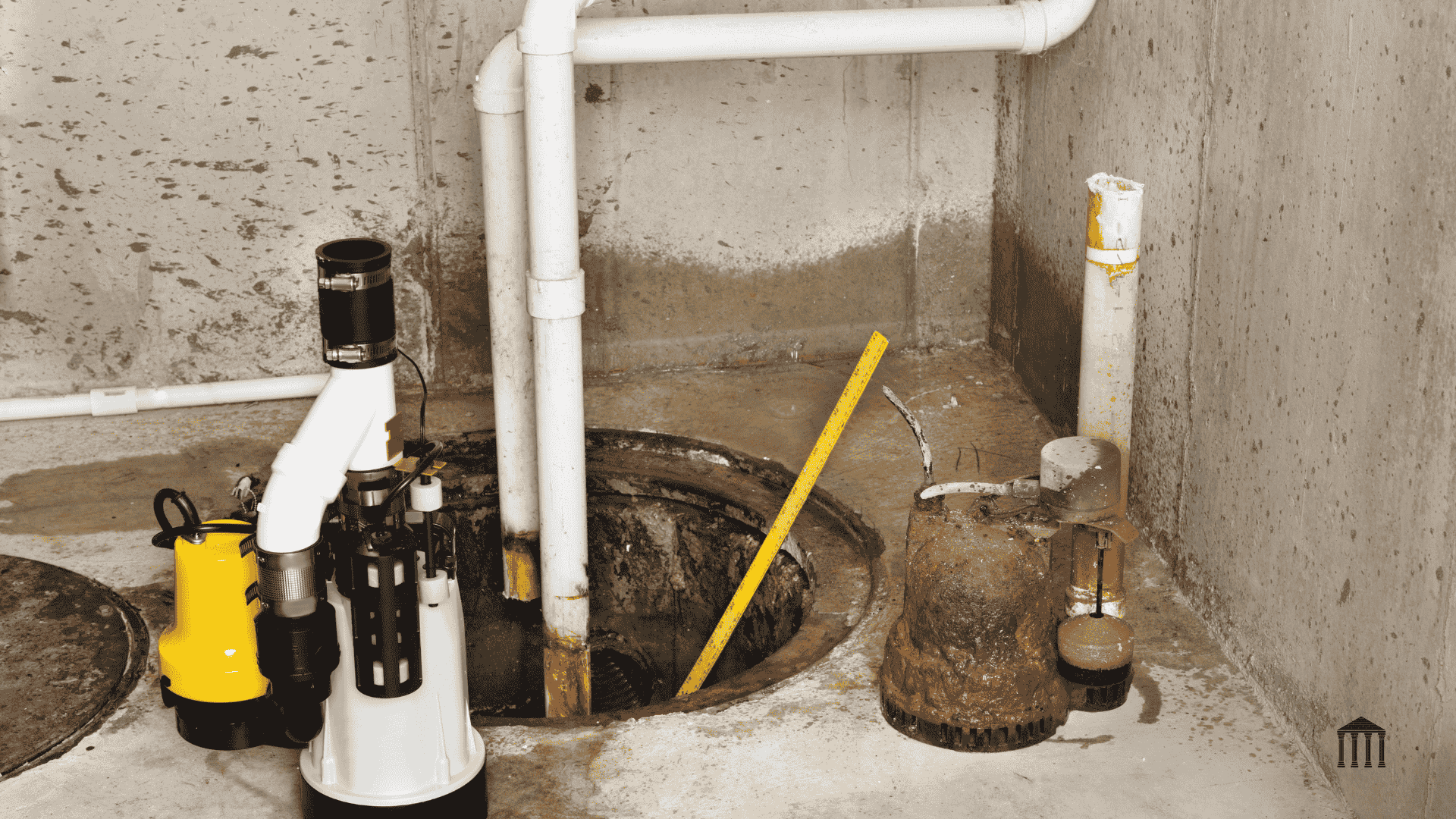
Sump pumps play a critical role in preventing basement flooding, especially during spring when melting snow and heavy rain increase water pressure around your home. Warning signs like strange noises, irregular cycling, poor drainage, and visible corrosion can indicate potential failure. Regular maintenance, proper drainage, and backup systems help ensure your sump pump performs reliably when you need it most.
Spring thaw can saturate soil and increase groundwater levels, placing pressure on your foundation and raising the risk of basement water intrusion. Frozen ground, poor drainage, and hidden cracks can prevent proper water absorption, allowing moisture to enter your home. Early warning signs and proactive maintenance are key to preventing flooding, structural damage, and long-term issues.
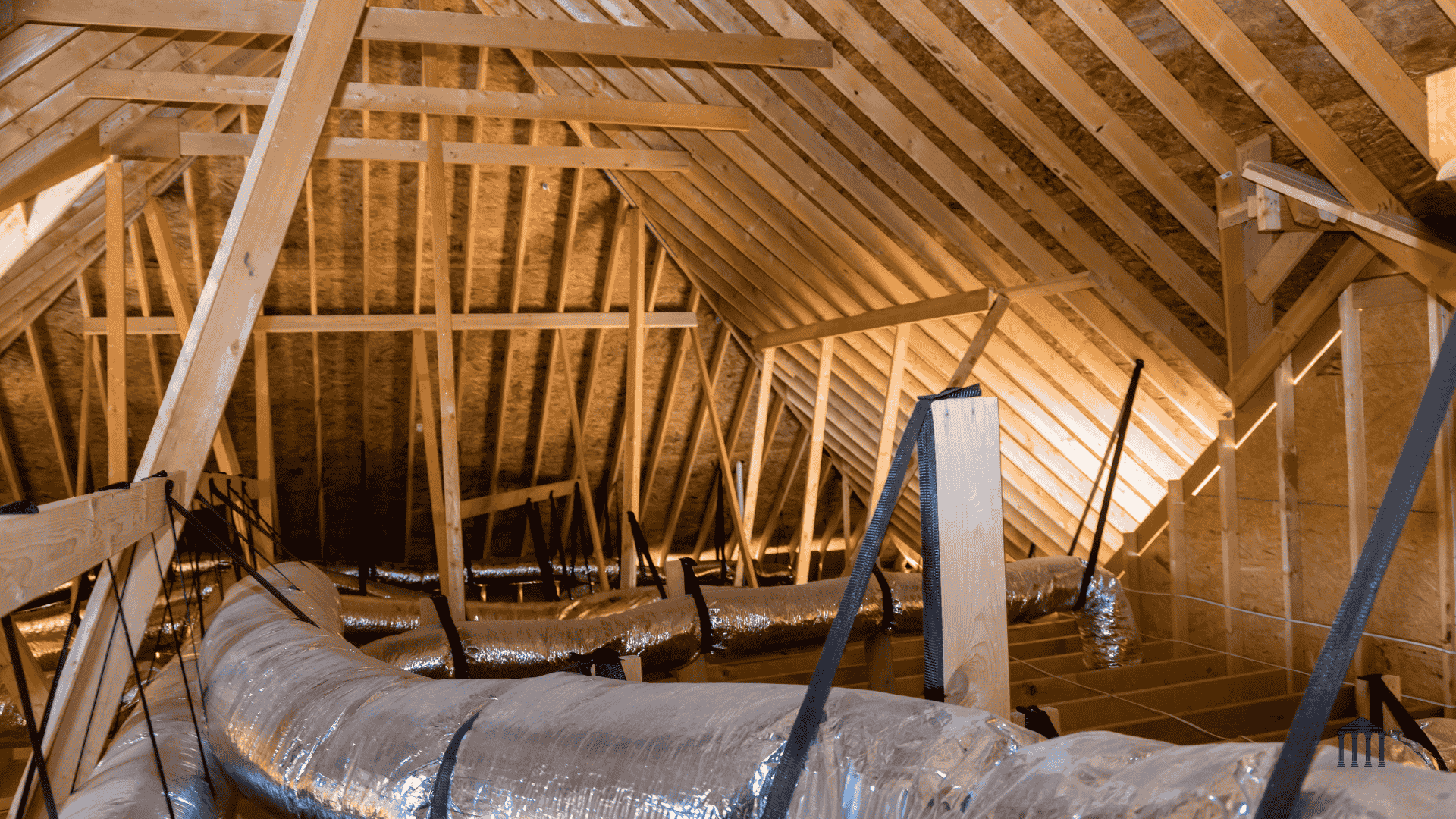
Attic mold often develops after winter due to condensation, poor ventilation, and insulation issues that trap moisture. Because it forms out of sight, early signs like air quality changes or minor staining are frequently overlooked until the problem worsens. If left untreated, attic mold can lead to structural damage, health concerns, and reduced energy efficiency.

Freeze-thaw cycles during winter cause soil expansion and contraction that can stress and shift your home’s foundation. This process often leads to cracks, structural movement, and hidden damage that becomes visible in spring. Identifying early warning signs and addressing underlying issues is key to preventing more serious and costly foundation problems.

Early spring storms can expose hidden roof damage caused by winter conditions like ice, snow, and temperature fluctuations. Weak shingles, poor drainage, and unnoticed structural issues can quickly lead to leaks and costly repairs during severe weather. Proactive inspections, maintenance, and timely repairs help protect your home and prevent small issues from escalating.
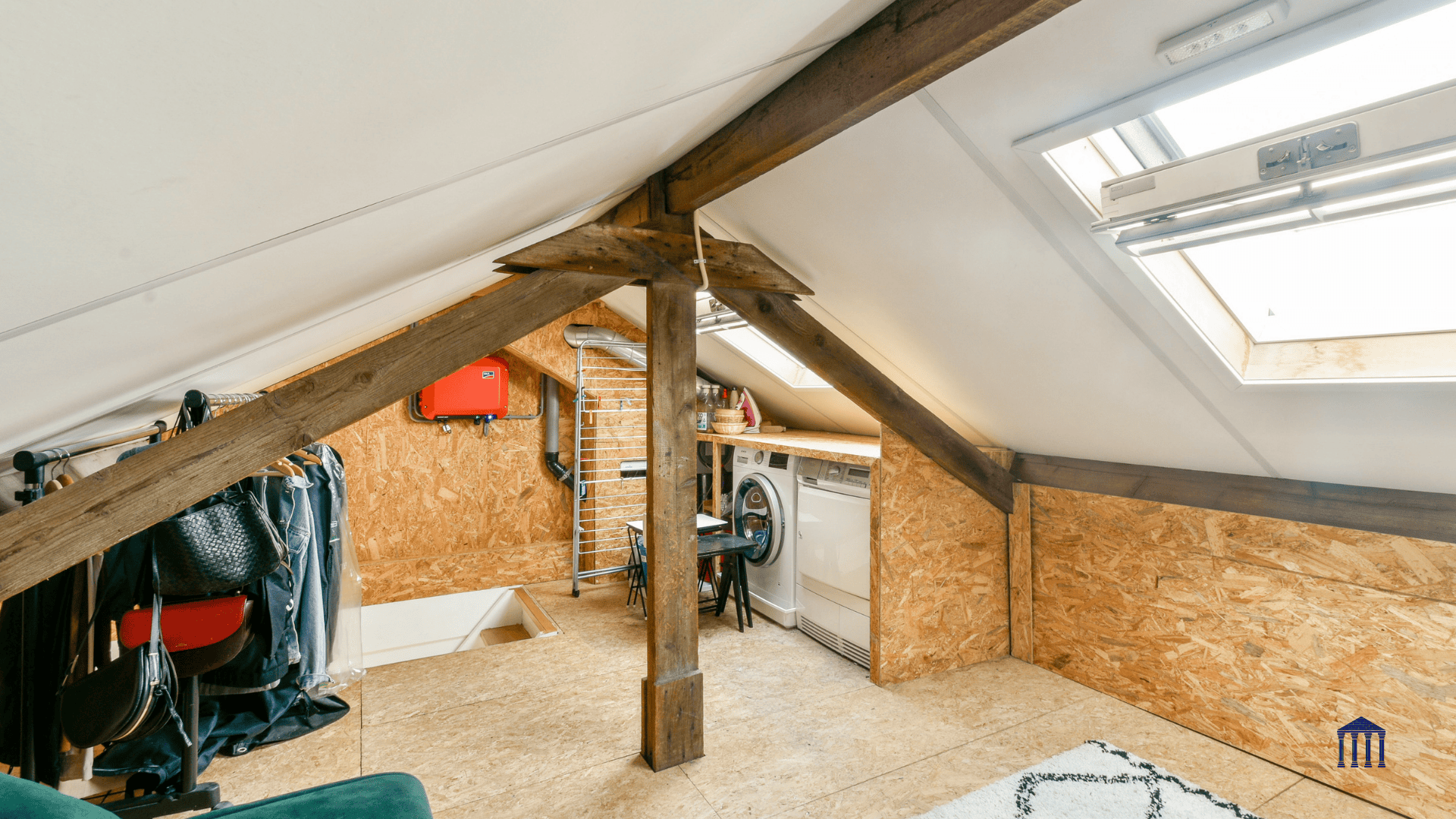
Wildlife nesting season in Michigan often begins in late winter, when squirrels, raccoons, birds, and rodents search for warm attic spaces to build nests. These early intrusions can lead to chewed wiring, damaged insulation, moisture issues, contamination, and rising energy costs if left unaddressed. Proactive inspections, sealed entry points, and professional removal when needed help protect your home’s structure, air quality, and long-term safety.

Possums often seek warmth and shelter beneath Michigan homes, especially in crawlspaces and manufactured homes' underbellies during colder months. Warning signs include nighttime scratching noises, strong musky odors, torn insulation, visible entry points, and rising moisture or mold issues. Addressing the problem early with professional removal and proper repairs helps prevent structural damage, contamination, and repeat infestations.
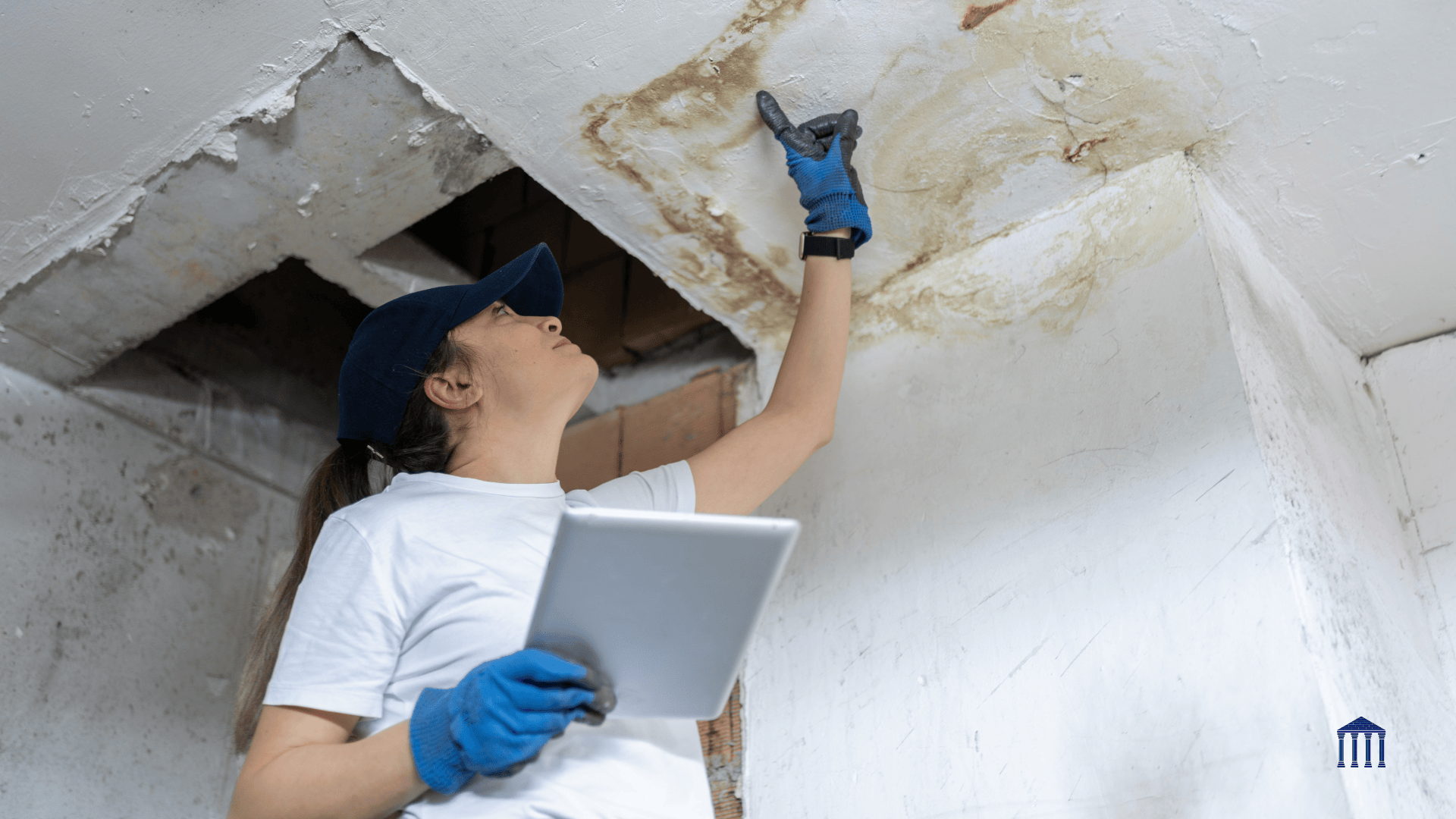
March’s freeze–thaw cycles and heavy snowmelt create ideal conditions for hidden water damage in Michigan homes. Meltwater can seep into attics, walls, basements, crawlspaces, and manufactured home underbellies long before visible signs appear. Early inspections and prompt repairs are essential to prevent mold growth and costly repairs.
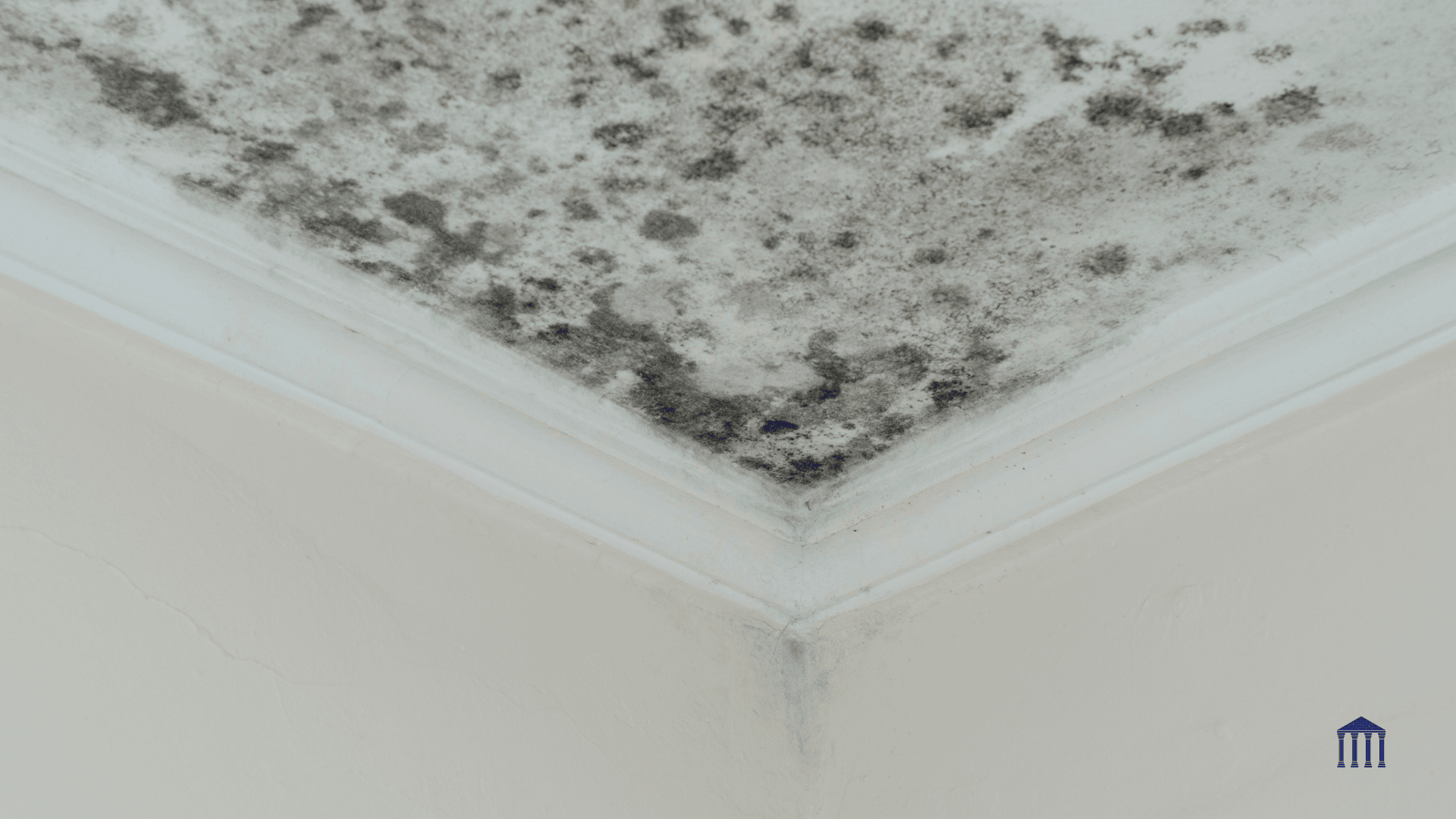
Mold spikes in March due to the Michigan "freeze-thaw" cycle, where melting snow and indoor humidity create heavy condensation. Attics and crawlspaces are most at risk. Addressing ventilation and professional remediation are key to stopping mold before spring truly begins.

Freeze–thaw cycles in Michigan place repeated stress on foundations, soil, roofing, skirting, and underbelly materials, leading to cracks, shifting, and leaks over time. As moisture freezes and expands, then thaws and contracts, homes can develop uneven floors, structural instability, water intrusion, and insulation damage. Proactive drainage improvements, insulation protection, and regular inspections help reduce long-term structural risks and costly repairs.


Need a repair, remodel, or emergency service? Contact Homesaver today and let our professionals restore and protect your home.
We Service Mobile Parks In Michigan Including Macomb County, Oakland County, Lapeer County, St Clair County, Wayne County And More