
We Service Mobile Parks In Michigan Including Macomb County, Oakland County, Lapeer County, St Clair County, Wayne County And More
For emergency service, call now:
(586) 610-8608⚡ Fast Response | Expert Repairs | Trusted Service
July 31, 2026
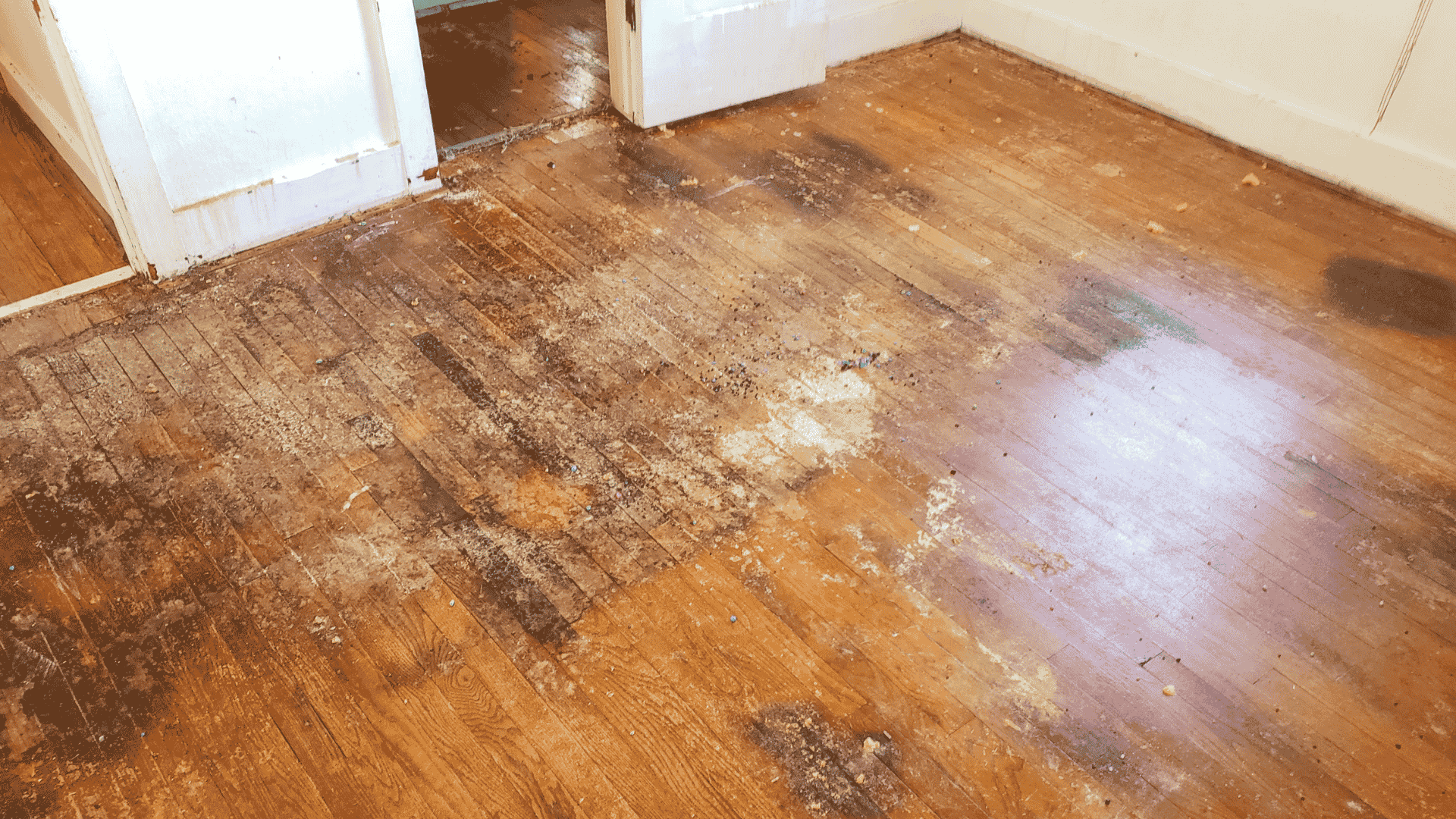
Most homeowners notice something small first. A soft spot near the bathroom. A faint yellowish stain on the ceiling that wasn't there last season. A smell that shows up in the morning and disappears by noon. It's easy to look at something like that and decide it probably isn't a big deal, especially when nothing is dripping and the floor looks fine from where you're standing.
In a manufactured home, that instinct can be an expensive one. The materials used in these homes, including engineered wood subfloors, OSB decking, fiberglass insulation, and the belly wrap that runs beneath the entire floor system, absorb and hold moisture in ways that are not obvious from the living space. Water finds the path of least resistance, and in a manufactured home, that path often runs straight through structural components before it ever surfaces somewhere you can see it.
The damage visible on the surface almost never tells the full story. Knowing what to look for underneath that surface is the difference between a targeted repair and a structural overhaul.
A floor that gives slightly underfoot, especially near a bathroom, kitchen, or exterior wall, is one of the clearest signs that the subfloor has been compromised by moisture. OSB and engineered wood lose their structural integrity when they stay wet. By the time the floor feels soft, the material underneath has usually been deteriorating for a while.
A water stain that returns after being covered with paint is still active. The moisture source has not been addressed, and the damage is continuing. Painting over it does not stop what is happening inside the wall or ceiling cavity.
When structural framing absorbs moisture and begins to shift or swell, door and window frames move with it. A door that used to close cleanly and now sticks, or a window that has developed a gap at one corner, can be a sign that the framing around it has been affected.
Mold does not always announce itself visually. A musty smell that is stronger in one area of the home, or that returns after airing the space out, often means mold is already established somewhere inside the wall cavity, under the floor, or in the crawlspace.
These are late-stage signs. If paint is bubbling or lifting, moisture is behind it. If wall panels are warped or separating at the seams, the material has been wet long enough to deform. Visible mold on any surface in the home means the conditions for growth have been in place for some time.
A floor that has developed a noticeable slope or dip near a plumbing fixture, an exterior wall, or a crawlspace access point has likely lost subfloor material to moisture deterioration. This is a structural issue, not a cosmetic one.
Moisture in a manufactured home tends to concentrate in a few specific areas. These are the places a thorough inspection needs to cover.
Supply line connections and drain fittings that develop a slow drip can saturate the subfloor over months. These leaks are often inside cabinets or under the home, where they are not visible during daily use.
A roof leak that enters at a seam or around a vent pipe does not always drip into the living space immediately. It may travel down through roof decking, into the wall, and pool in the floor cavity before anyone notices moisture inside the home.
A vapor barrier that has been torn, punctured, or degraded allows ground moisture to migrate upward into the floor system continuously. Poor attic or crawlspace ventilation can compound this by trapping humidity with no way out.
Heavy rain, snowmelt, and poor site drainage can push water under the home in ways that saturate the belly wrap and insulation from below. This is particularly common in Michigan's spring thaw season.
Water heaters, washing machine supply lines, and dishwasher connections are common sources of slow leaks that go unnoticed until the cabinet or floor around them has taken on significant moisture.
The reason to act quickly is not just the repair cost, though that increases significantly with time. It is what the home loses structurally when water damage is left to progress.
A surface inspection is not enough. A thorough assessment of water damage in a manufactured home includes:
Water damage in a manufactured home earns respect early or demands much more later. If something in your home has been bothering you, a soft spot you've been stepping around, a smell you can't locate, a stain that keeps coming back, it is worth a call. Not because it is definitely a crisis, but because finding out now is almost always cheaper than finding out in two months.
Michigan's freeze-thaw cycle, wet springs, and humid summers keep moisture pressure on these homes year-round. The repair scope that exists today is rarely the same as the one that will exist after another season passes. Homeowners who call when they first notice something spend less, protect more of their home, and avoid the extended disruption that comes with large-scale structural repairs.
Homesaver Remodeling serves mobile and manufactured home communities throughout Macomb, Oakland, Lapeer, St. Clair, and Wayne counties. If you have noticed any of the warning signs covered here, whether it is a soft floor, a returning stain, an odor you cannot place, or anything else that has been on your mind, reach out before a small problem becomes a structural one. We will assess what is actually happening, find the source, and give you a clear picture of what the repair involves.

We Service Mobile Parks In Michigan Including Macomb County, Oakland County, Lapeer County, St Clair County, Wayne County And More