
We Service Mobile Parks In Michigan Including Macomb County, Oakland County, Lapeer County, St Clair County, Wayne County And More
For emergency service, call now:
(586) 610-8608⚡ Fast Response | Expert Repairs | Trusted Service
October 29, 2026
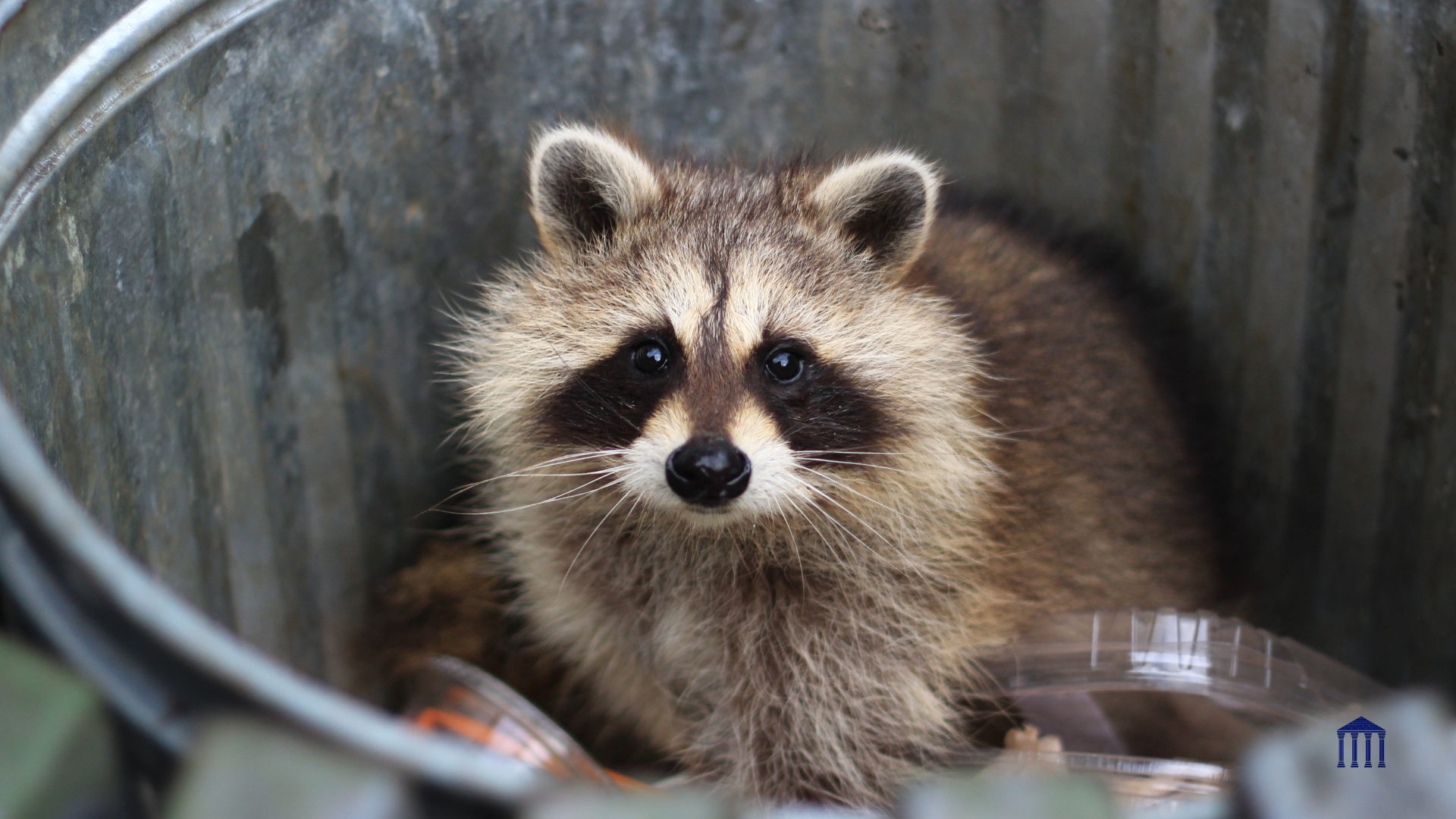
It usually starts on one of the first truly cold nights of the year. You're half asleep when a heavy thump comes from above the ceiling, followed by something that sounds like dragging. You tell yourself it's the wind, or the house settling as the temperature drops. Then it happens again the next night, at almost the same time.
Every October, our phones get busier with calls just like this one. Raccoons, squirrels, and mice are all looking for somewhere warm to wait out the winter, and a mobile home can offer exactly what they want. Raccoon attic damage in Michigan tends to follow the calendar, and manufactured homes have a few weak spots that animals seem to find faster than most homeowners do.
Many people assume raccoons hibernate. They don't. Instead, they spend the fall eating heavily and building up fat, then hole up in a protected den during the coldest stretches.
A few things make fall especially active:
Raccoons get most of the attention, but they rarely act alone. Several other animals start pressing against homes at the same time.
Most manufactured homes don't have a walk-in attic. They have a shallow cavity between the ceiling panels and the roof. That space is packed with insulation, which happens to be perfect nesting material.
Underneath the home sits another hidden space. Behind the skirting is the bottom board, which holds insulation, ductwork, and plumbing lines.
Heat escapes from ductwork, furnace areas, and water heater closets. On a cold night, animals can sense that warmth. It's one reason we often find nests clustered near duct runs and furnace locations.
These are the spots we check first:
Smaller than most people expect. A mouse can fit through a gap about the size of a dime. Squirrels can chew a small opening into a larger one in a single afternoon.
Raccoons are a different story. They are strong and use their hands to pry, pull, and tear. A loose vent cover or soft section of fascia can become a full entry hole overnight.
Timing tells you a lot.
Inside the home, watch for:
Outside, look for torn skirting, bent vents, or damaged roof edges. Muddy paw prints on siding or near the roof are a strong sign of raccoons. Piles of droppings near the skirting usually mean something is living underneath.
Quick Takeaway: If you can hear it, it's already inside. The sooner an animal is removed, the less nesting, chewing, and contamination you'll have to repair.
Animals flatten insulation to make room, tear it apart to build nests, and soil it with urine and droppings. Compressed or contaminated insulation can't hold heat the way it should.
Attic insulation damage often shows up first on your heating bill. A room that never warms up is another common clue.
Rodents chew constantly, and wiring is a frequent target. Chewed wires create a real fire risk inside a confined roof cavity.
Underneath the home, animals tear into flex ducts and the bottom board. That lets cold air and moisture into spaces designed to stay sealed. It can also mean your furnace is heating the crawlspace instead of your living room.
Raccoon droppings can carry roundworm eggs, which can stay infectious for a long time. Rodent droppings can also carry disease. Stirring up contaminated insulation without protection can put those particles in the air you breathe.
Moisture from urine and nesting material also creates conditions for mold. For these reasons, we don't recommend homeowners clean out contaminated areas themselves.
Exclusion means sealing every gap after the animals are out. Timing matters here. Seal too early, and you can trap an animal inside, which leads to more damage and odor problems.
Michigan also has specific rules about trapping and relocating wildlife. Checking with the Michigan DNR or working with a qualified professional keeps you on the right side of those rules.
Proper wildlife restoration services cover the whole picture, not just the hole. Our process typically includes:
No. Raccoons stay inactive in their dens during the coldest weather, but they wake up and move around during milder stretches. That's why you may hear noises on and off all winter.
It's possible, but it's often not the whole solution. Michigan has rules about trapping and relocating wildlife. Even if you remove the animal, the entry point and damage remain.
It depends on your policy. Some policies exclude damage from rodents and certain wildlife, while others may cover specific situations. Your insurance agent can tell you what applies to your home.
As soon as you can. Every week an animal stays inside means more nesting, more contamination, and more chewing. Early calls almost always mean smaller repair bills.
The weeks between now and the first hard freeze are the best time to deal with wildlife. Animals are still searching, which means the openings you close today are the ones they won't settle into tomorrow. A loose skirting panel or bent vent cover is a quick repair in October. By March, it can mean soaked insulation, torn ductwork, and ceiling panels that need replacing.
You don't need to inspect every inch of your home to stay ahead of this. A few minutes outside, paying attention to sounds at night, and acting on what you notice will cover most of it. When something doesn't look or sound right, getting a second set of eyes on it early keeps a small fix from turning into a full restoration project.
If you've noticed noises, stains, or damaged skirting, give Jeremy and the Homesaver team a call. We'll find out what's getting in, how it's getting in, and what needs repairing, then explain it all in plain language before any work begins. We serve mobile and manufactured homeowners throughout Macomb, Oakland, Lapeer, St. Clair, and Wayne counties.

We Service Mobile Parks In Michigan Including Macomb County, Oakland County, Lapeer County, St Clair County, Wayne County And More