Blogs
Emergency Services
For emergency service, call now:
(586) 610-8608⚡ Fast Response | Expert Repairs | Trusted Service

For emergency service, call now:
(586) 610-8608⚡ Fast Response | Expert Repairs | Trusted Service


Extra winter guests can quickly strain plumbing systems, especially in mobile homes where small weaknesses show up fast. Simple, affordable fixes—like toilet tune-ups, drain protection, leak prevention, and basic freeze-proofing—can keep everything running smoothly without major upgrades. A little preparation now helps prevent clogs, leaks, and cold-weather damage when water use spikes.

Cold floors, drafty rooms, and uneven heat often come from air leaks and underprotected insulation in key areas of a home. Targeted upgrades like sealing drafts, repairing skirting, and restoring underbelly insulation help homes hold heat longer and feel more comfortable day to day. These practical improvements reduce heat loss, ease the load on heating systems, and make winter living noticeably cozier.
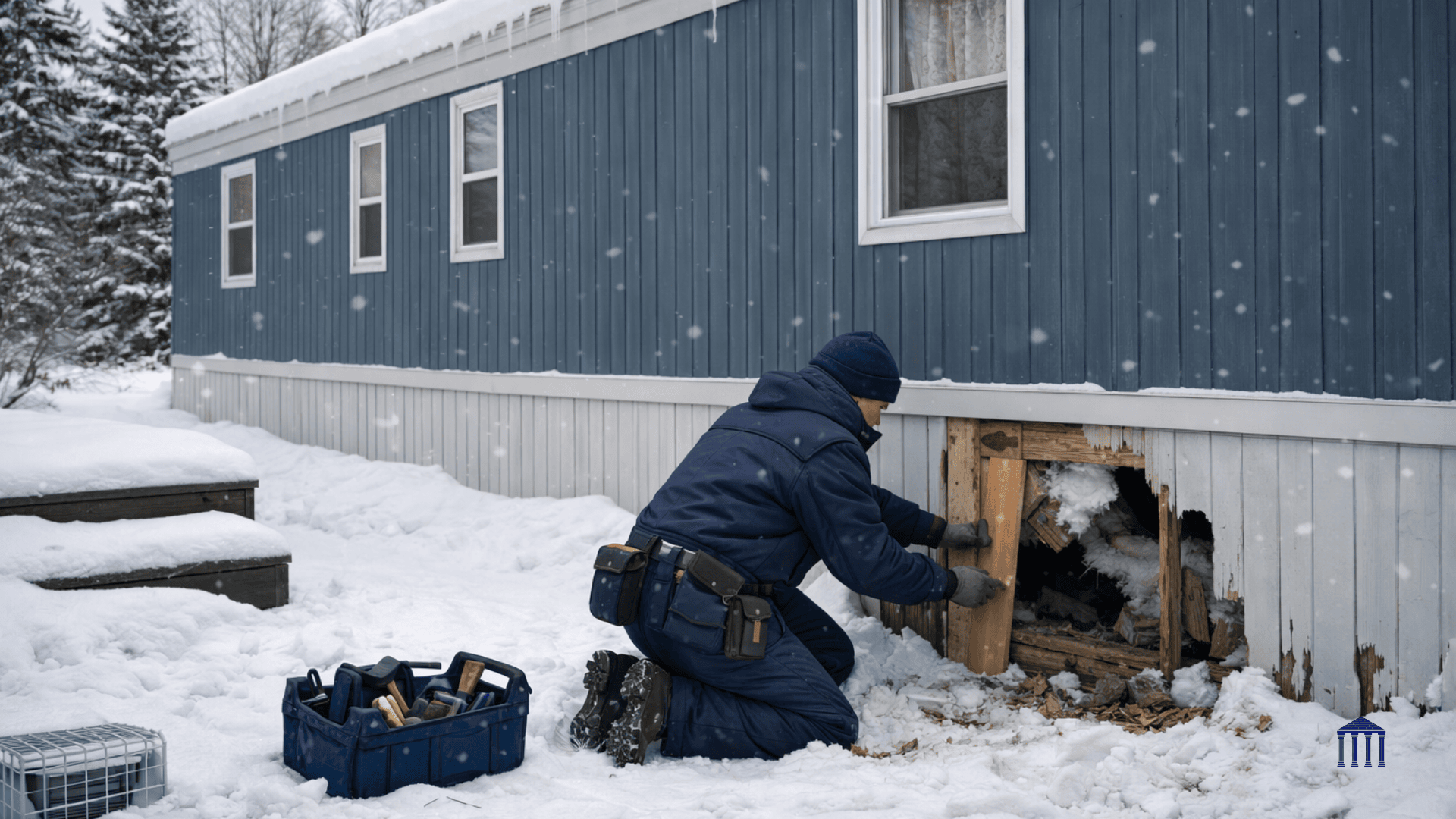
Cold weather drives animals to seek warmth under mobile homes, where even small gaps can lead to insulation damage, drafts, and heat loss. Securing skirting, sealing entry points, and restoring the underbelly barrier helps protect plumbing, ductwork, and indoor comfort. Early repairs reduce repeat intrusion, lower winter energy strain, and keep homes warmer and more stable through harsh conditions.

Freeze-thaw cycles and winter storms can turn minor roof weaknesses into active leaks that spread moisture through insulation and ceilings. Targeted winter repairs can stabilize problem areas, while repeated leaks or aging materials often signal the need for planned replacement. The right approach balances stopping water intrusion now with protecting the home from more costly damage later.
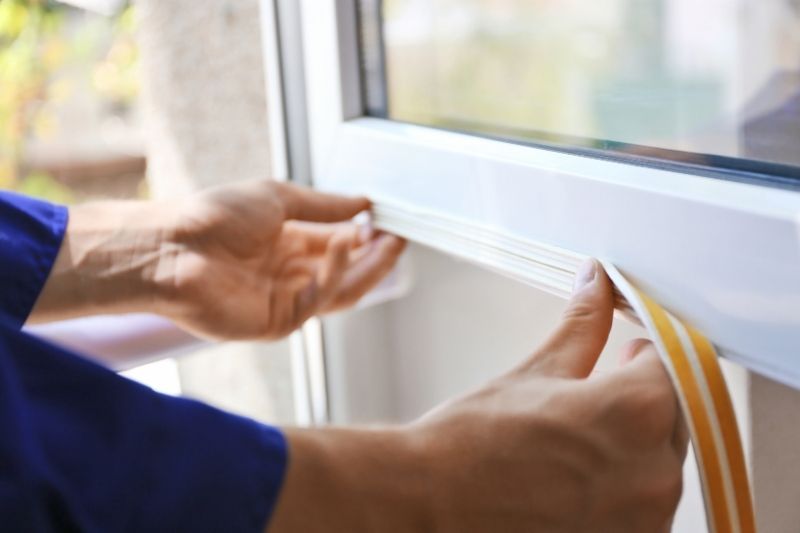
Frozen pipes in mobile homes often result from cold air exposure, wind, and under-protected plumbing rather than extreme weather alone. Practical solutions like sealing drafts, repairing skirting and underbelly insulation, and using safe thawing methods can restore water flow and reduce the risk of bursts. Strengthening known weak points helps turn winter from a recurring emergency into a manageable season.

Cold air, poor sealing, and worn materials around entry doors can cause major heat loss and higher energy bills during Michigan’s harsh winters. Strategic repairs like replacing weatherstripping, adjusting hinges, fixing thresholds, and reinforcing frames help restore warmth and efficiency. When repairs aren’t enough, upgrading to a properly fitted, insulated mobile home door delivers better comfort, protection, and long-term winter performance.
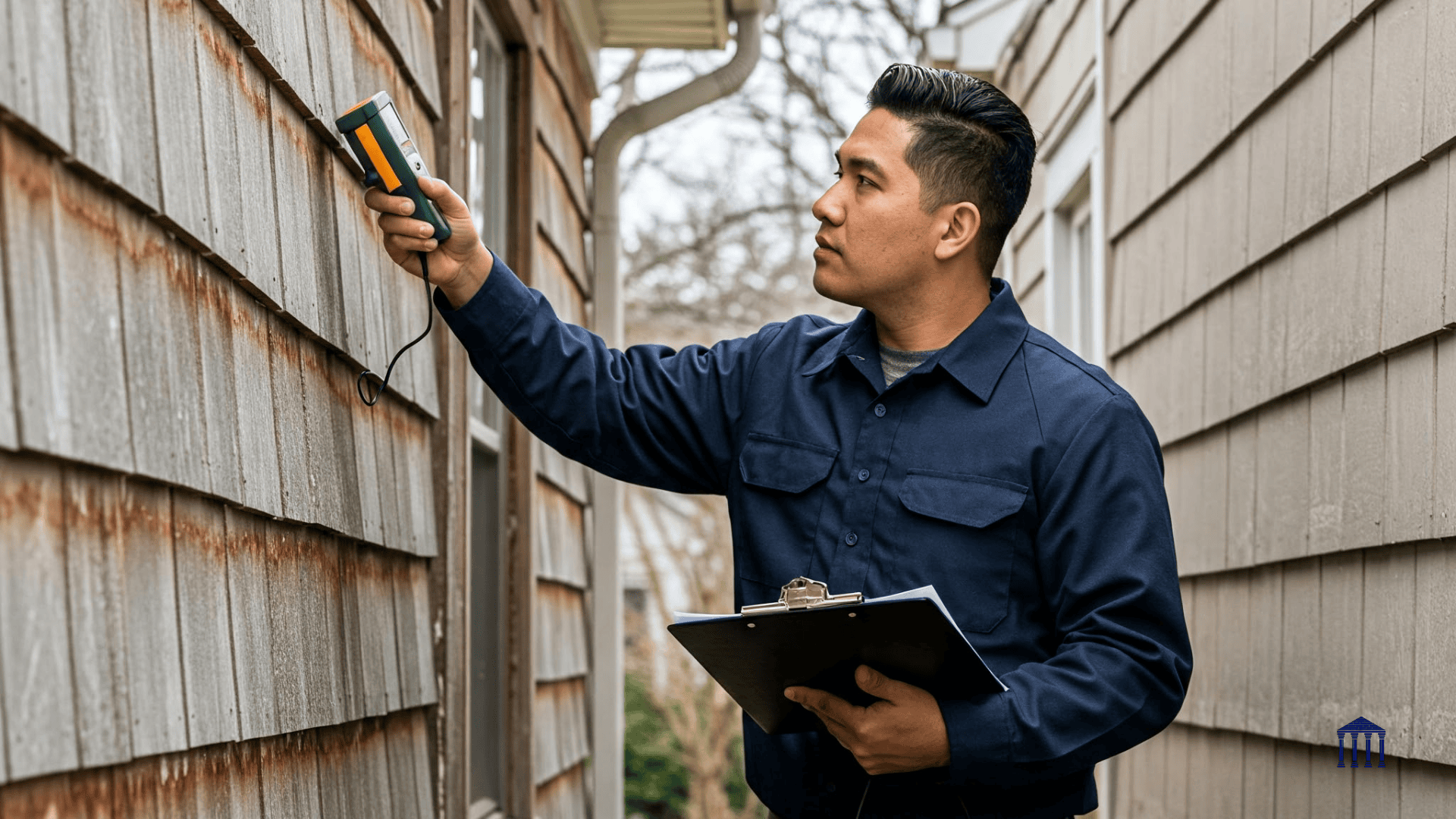
A shed that isn’t reinforced or weatherproofed before Michigan’s winter can quickly develop structural issues, moisture damage, and pest intrusion. Strengthening the floor, walls, roof, and entry points helps protect your tools, equipment, and utility access from snow, cold, and wind. With the right repairs, upgrades, and maintenance, your shed can stay secure, dry, and functional all winter long.

Holiday gatherings place extra strain on mobile home plumbing, increasing the chances of clogs, leaks, frozen pipes, and water heater problems. Simple preventative steps—like protecting drains, insulating exposed pipes, and inspecting the underbelly—help keep systems running smoothly during winter’s heaviest use. With early maintenance and timely professional repairs, you can avoid costly emergencies and enjoy a stress-free holiday season.

A dependable furnace is essential during Michigan’s harsh winter season, especially when holiday gatherings increase the demand on your heating system. Addressing common issues like blower motor problems, ignition failures, thermostat malfunctions, and duct leaks helps keep your home warm and energy-efficient. With proactive maintenance, timely repairs, and smart winter upgrades, you can avoid heating emergencies and keep your home cozy all season long.

Cold floors, rising heating costs, and drafty rooms in mobile homes often come down to aging or inadequate insulation, especially during Michigan’s harsh winters. Upgrading belly board, wall, and roof cavity insulation helps retain heat, prevent frozen pipes, and ease the strain on your furnace. With modern materials and strategic air-sealing improvements, homeowners can enjoy a warmer, more efficient, and more comfortable home all season long.
.png)
.png)
Michigan winters can be brutal on mobile homes, making skirting repair an essential step for warmth and energy efficiency. Properly sealed and insulated skirting protects plumbing, prevents drafts, and keeps moisture and pests out. By reinforcing or upgrading your skirting before freezing weather arrives, you safeguard your home’s comfort, appearance, and long-term value.
.png)
.png)
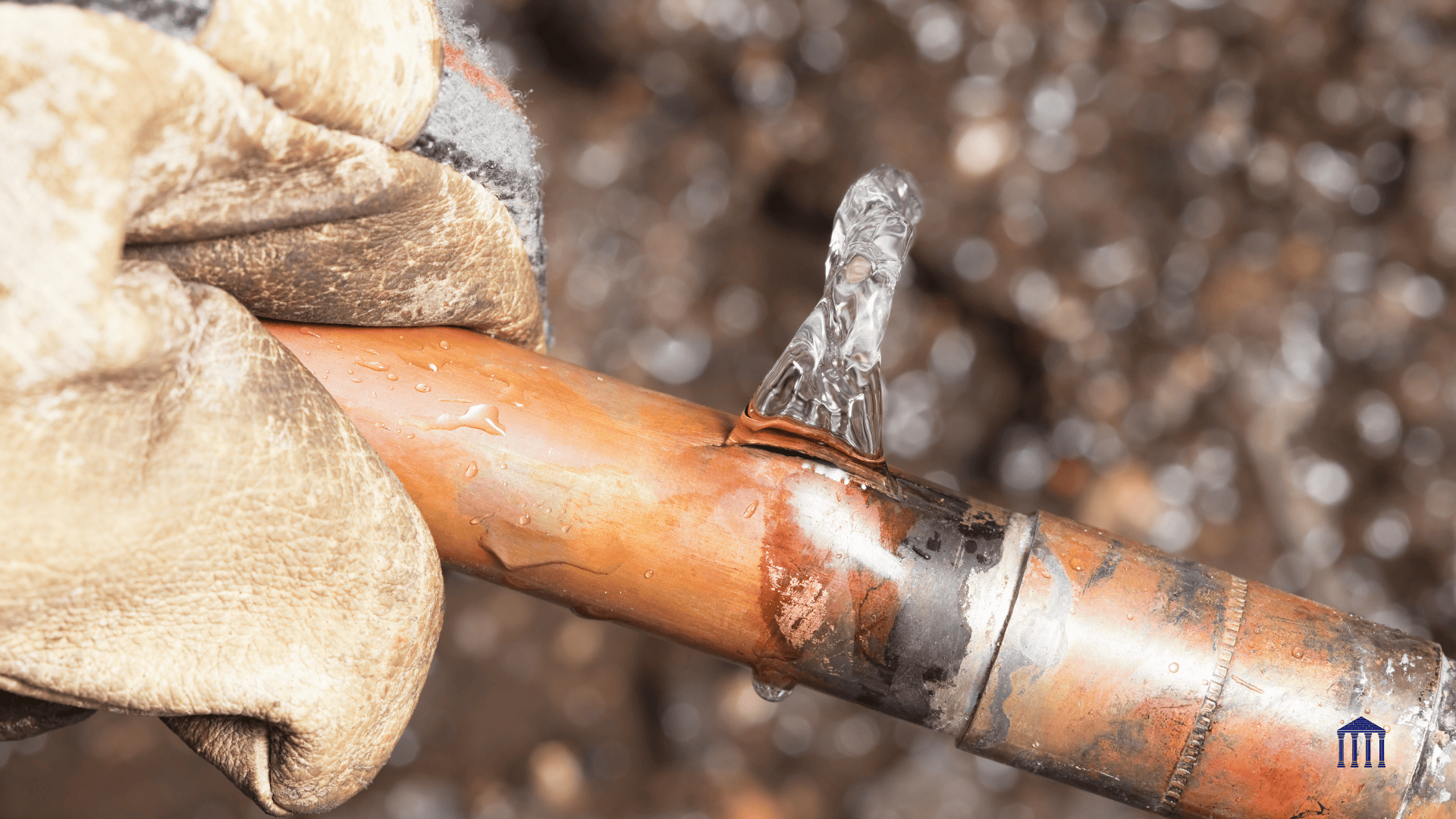
Michigan’s freezing winters can wreak havoc on mobile home plumbing, making frost-free protection essential for comfort and safety. Insulated pipes, heat tape, and secure skirting prevent freezing, bursting, and costly water damage. With proactive maintenance and the right upgrades, you can keep your water flowing and your home warm all winter long.

Fall evenings are the perfect time to enjoy your deck, but Michigan’s unpredictable weather can quickly wear down wood, railings, and support structures. Leaves, rain, and frost create slip hazards and accelerate rot if maintenance is neglected. Seasonal inspections help catch loose fasteners, warped boards, and wobbly railings before they become safety risks. Cleaning, sealing, and reinforcing your deck now ensures a cozy, safe outdoor space all season long.

Bat guano in Michigan homes is far more than just an unsightly mess—it’s a serious health and structural hazard. Left untreated, droppings can release spores that cause histoplasmosis, a dangerous respiratory illness, while also corroding insulation, drywall, and wood. Guano buildup may contaminate ductwork, spread foul odors, and attract pests into living spaces. Professional remediation is essential to ensure safe removal, disinfection, and long-term protection for your home and family.

Frozen pipes are one of the most common and costly cold-weather emergencies for Michigan mobile homeowners. Exposed plumbing in crawlspaces and underbellies is especially vulnerable when temperatures dip below freezing, often leading to burst pipes, flooding, and expensive repairs. Simple steps like sealing skirting, insulating pipes, repairing underbelly damage, and draining outdoor faucets can drastically reduce the risk. Preparing early in the fall ensures your home stays warm, dry, and protected all winter long.
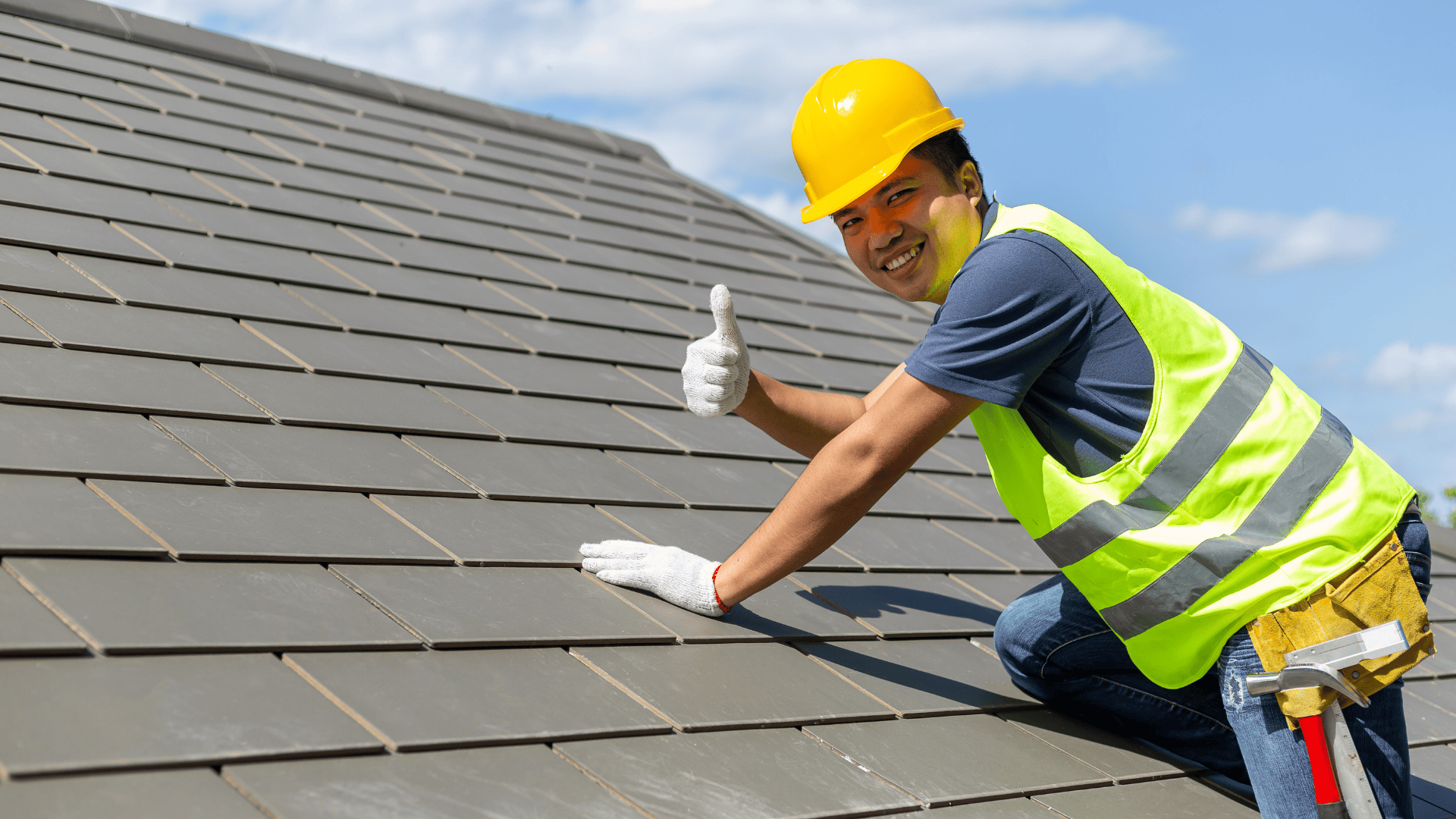
Michigan’s fall rains often reveal roof vulnerabilities in mobile and manufactured homes, from cracked sealant to rusted panels and clogged gutters. Even small leaks can lead to ceiling stains, mold, and insulation damage if ignored. Flat roofs are especially prone to ponding water, while pitched roofs often suffer from shingle loss and flashing failures. Tackling these repairs before winter ensures better protection, efficiency, and long-term savings.

A strong, well-fitted entry door is essential for keeping your mobile home warm, secure, and energy-efficient during Michigan’s colder months. Drafty, warped, or outdated doors can let in cold air, increase heating costs, and compromise safety. Modern replacements offer insulated cores, reinforced locks, and durable materials like steel or fiberglass for long-lasting protection. Adding a storm door provides extra insulation and weather resistance, ensuring year-round comfort and security.

Michigan’s fall weather is the perfect time to repair and upgrade insulation in your mobile home. Proper sealing prevents drafts, frozen pipes, and moisture damage while keeping heating costs down. From underbelly repairs to skirting and ceiling insulation, seasonal improvements strengthen comfort and efficiency before winter hits. Proactive preparation now means a warmer, safer, and more affordable cold season.
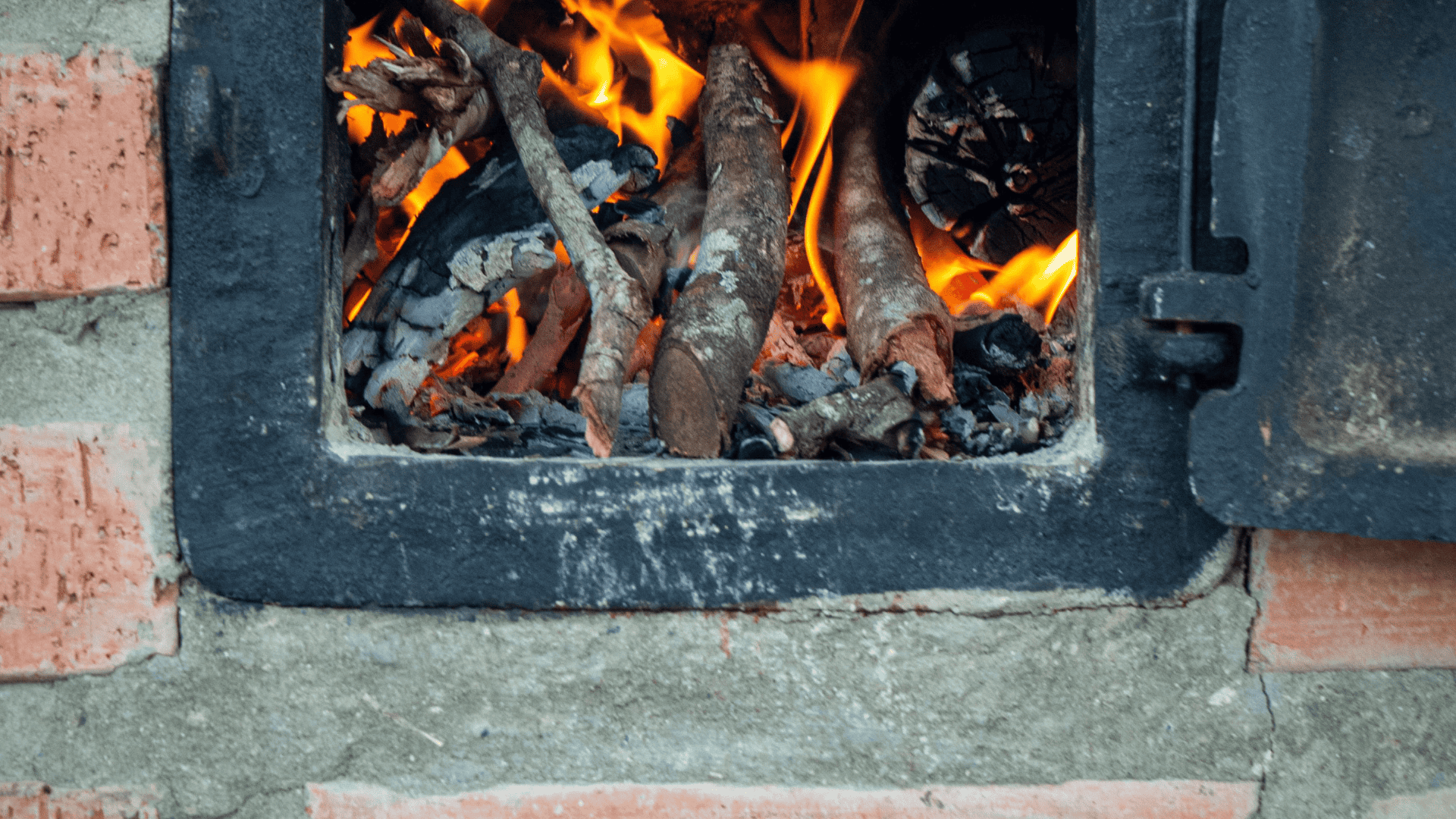
Michigan’s fall weather can shift quickly from mild to freezing, leaving mobile homeowners vulnerable if their furnaces aren’t working properly. Because manufactured homes often have lighter insulation and unique heating setups, a reliable furnace is essential for both comfort and safety. Seasonal maintenance and timely repairs can prevent frozen pipes, high energy bills, and costly breakdowns later in winter. Addressing issues early ensures steady warmth and peace of mind all season long.
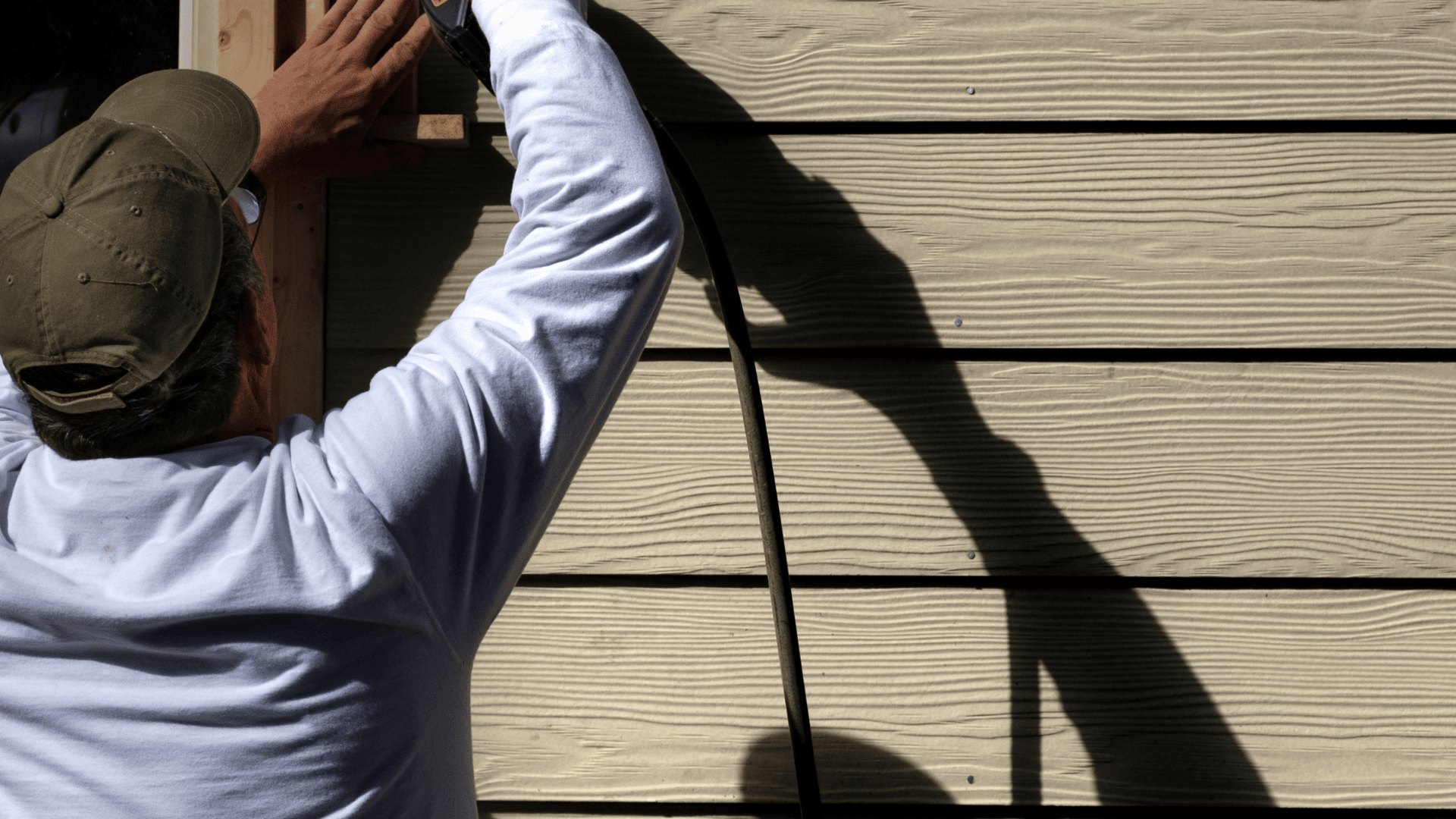
Michigan’s fall winds and rains can quickly expose weaknesses in mobile home siding, leaving your home vulnerable to water damage, drafts, and costly repairs. Strong, well-maintained siding is essential for storm protection, energy efficiency, and structural integrity. Seasonal repairs can stop moisture intrusion, secure loose panels, and reinforce skirting before severe weather hits. By taking action now, homeowners can enjoy lower heating bills, better comfort, and peace of mind all winter long.

October is the perfect time for Michigan mobile homeowners to prepare for both Halloween festivities and the upcoming winter season. Loose stairs, broken railings, and poor lighting can create hazards for trick-or-treaters, while damaged skirting and insulation invite pests and drive up heating costs. Electrical overloads, frayed cords, and unsecured decorations also pose seasonal risks. By tackling these key repairs now, you can keep your home safe, efficient, and ready for colder months ahead.
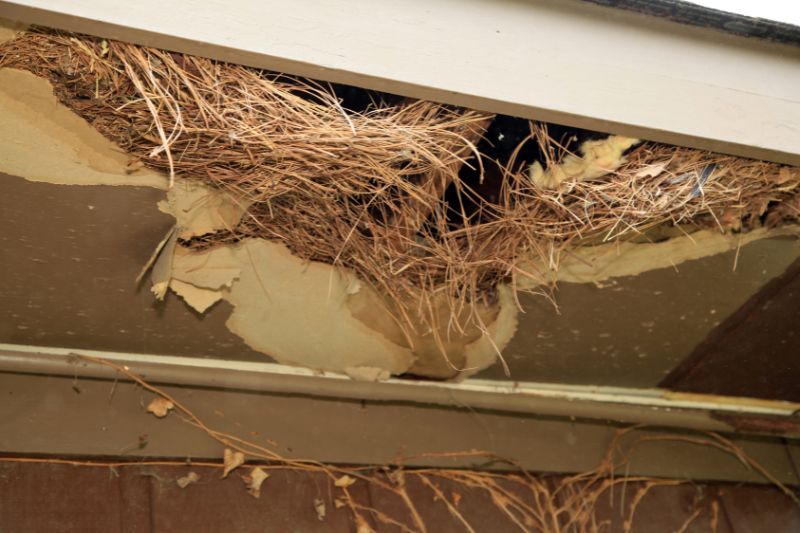
Michigan’s fall weather puts unique stress on mobile home foundations, with shifting soil, increased moisture, and seasonal freeze-thaw cycles leading to potential instability. Small issues like uneven piers, poor drainage, or damaged skirting can quickly escalate if ignored. Proactive inspections, tie-down checks, and drainage improvements this season help protect safety, stability, and comfort. Addressing foundation health now prevents costly repairs and ensures peace of mind heading into winter.
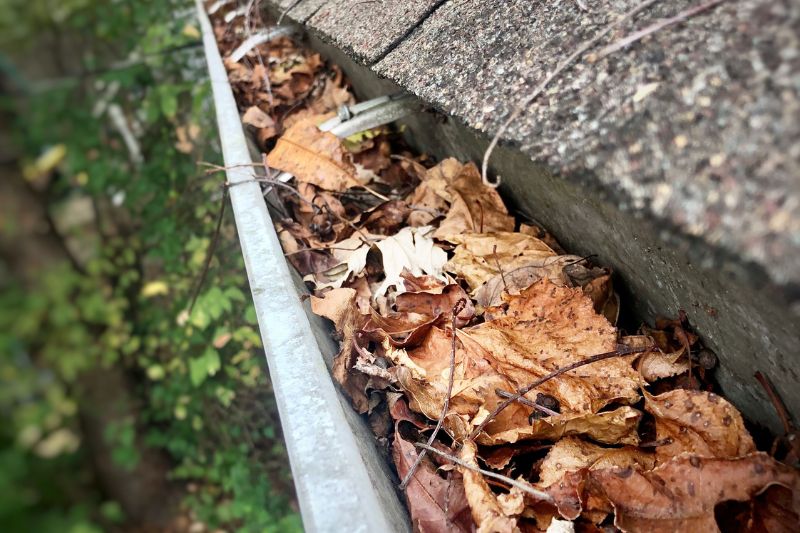
Michigan’s fall leaves may be beautiful, but they can cause serious problems if gutters and fascia aren’t maintained. Clogged gutters and rotting fascia lead to water damage, foundation issues, and costly repairs. Proactive seasonal upkeep—like cleaning gutters, inspecting fascia, and checking downspouts—protects your mobile home from leaks, rot, and erosion. Preparing now ensures your home stays safe, dry, and storm-ready as colder weather approaches.
.png)
Extreme seasonal swings put your ductwork under constant stress, leading to hidden leaks, poor airflow, and inflated energy bills. Mobile and manufactured home ducts tucked under the floor are especially prone to moisture damage, animal intrusion, and disconnections. Sealing cracks, adding insulation, and replacing compromised sections restores efficiency and comfort. Proactive duct repairs now prevent costly HVAC overuse and ensure healthy indoor air year-round.
.png)
Late summer’s heat, humidity, and heavy rains can expose hidden plumbing issues in mobile homes, from leaks beneath the subfloor to slow drains and sewer backups. Limited ventilation and aging materials make pipes especially vulnerable to corrosion, clogs, and ground saturation. Professional services—like crawlspace inspections, thermal leak detection, and pipe replacements—catch problems early. Addressing these repairs now prevents mold, structural damage, and costly emergency fixes.
.png)
Summer’s cycle of drought and heavy rain causes soil beneath mobile and manufactured homes to shrink and swell, placing uneven pressure on pier-and-beam or block supports. These movements can lead to sinking, tilting, cracked skirting, and unlevel floors. Professional foundation services—like releveling, pier replacement, skirting sealing, and improved drainage—restore stability. Addressing settling now prevents structural damage and costly repairs later.
.png)
Late summer’s sun exposure, rainstorms, and heavy use can leave decks faded, warped, or damaged. Cleaning debris and mildew, inspecting boards, railings, and supports, and making minor repairs now prevent cracks, rot, and safety hazards. Sealing or staining before cooler, wetter weather locks out moisture and extends your deck’s lifespan. Proactive maintenance ensures your outdoor space stays safe and enjoyable year-round.


Need a repair, remodel, or emergency service? Contact Homesaver today and let our professionals restore and protect your home.
We Service Mobile Parks In Michigan Including Macomb County, Oakland County, Lapeer County, St Clair County, Wayne County And More