
We Service Mobile Parks In Michigan Including Macomb County, Oakland County, Lapeer County, St Clair County, Wayne County And More
For emergency service, call now:
(586) 610-8608⚡ Fast Response | Expert Repairs | Trusted Service
July 31, 2026
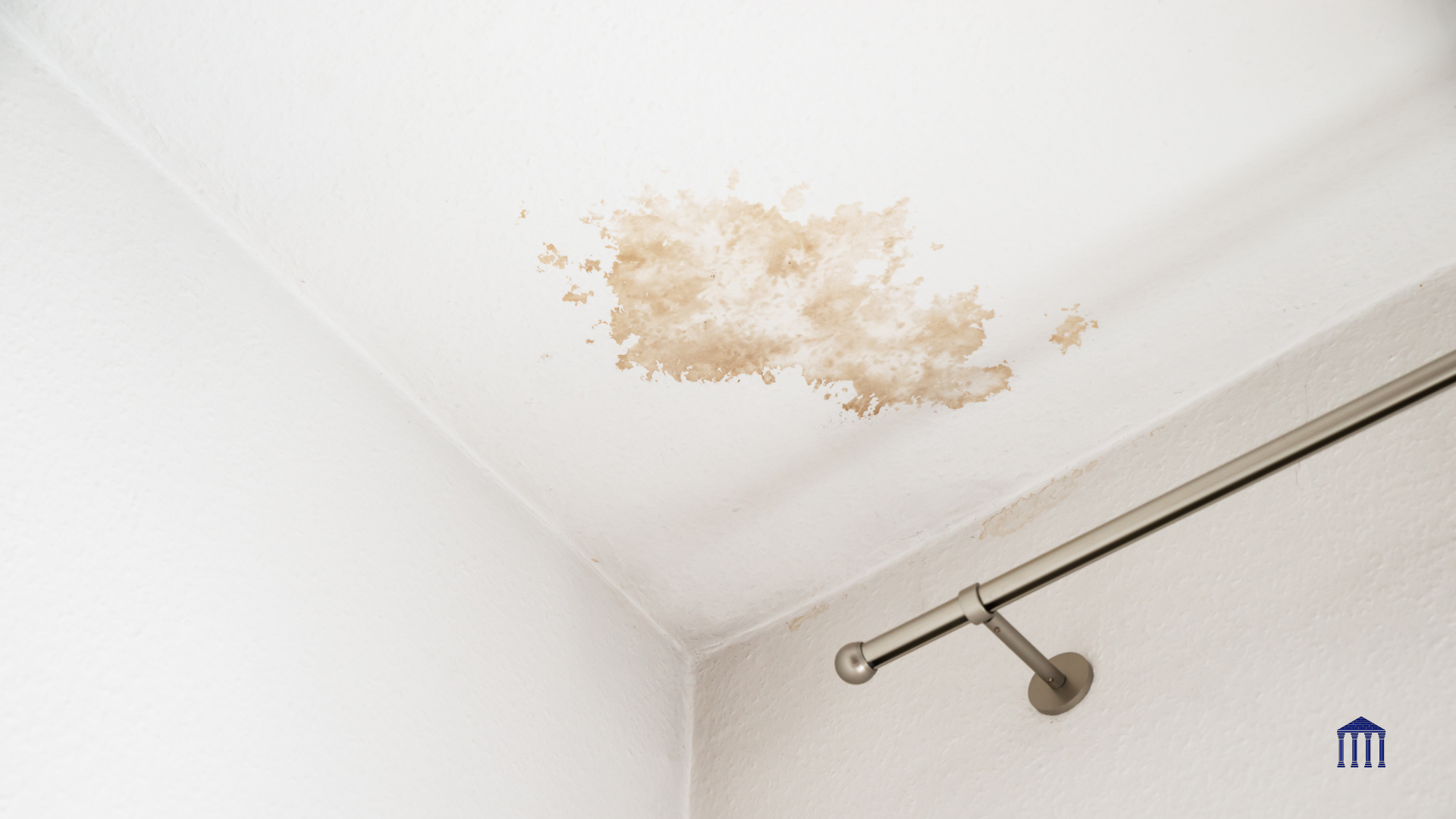
There's a specific sound Michigan homeowners know in July. Rain hits the roof hard, the wind picks up for about ten minutes, and then it's over just as fast as it started. Most people go back to their evening without a second thought. But on a mobile or manufactured home, that ten minute storm can be doing quiet damage above the ceiling that nobody notices until weeks later.
Jeremy and the team at Homesaver see this pattern every summer across Macomb, Oakland, Lapeer, St. Clair, and Wayne counties. A homeowner calls in August about a ceiling stain, and when we get up into the roof, the moisture trail leads back to a storm from early July. The damage had time to spread before anyone knew it was there.
Michigan summer storms tend to move in fast and hit hard. A thunderstorm can dump an inch of rain in twenty minutes, then clear up completely.
That kind of rainfall puts pressure on roof seams that a slow, steady rain never would. Add wind, and rain gets driven sideways into seams and flashing that were only ever designed to handle water falling straight down.
Common July storm patterns that cause leaks include:
Michigan roofs go through a rough cycle every July day. Morning temperatures might sit in the 60s, then climb into the high 80s or 90s by afternoon. That swing causes roofing materials to expand and contract repeatedly.
Over time, this cycling loosens seals around vents, seams, and edges. A seal that held fine in May can develop a gap by late July. Once that gap exists, it only takes one storm to find it.
Mobile and manufactured home roofs are not built the same way as a traditional house roof. Most use lower pitch designs, different sealing methods, and materials suited for lighter structures.
This matters because:
Once water gets past a roof seam or seal, it doesn't just drop straight down. It tends to follow the path of least resistance, often running along a support beam or insulation layer before pooling somewhere else entirely.
This is part of why the visible stain on a ceiling doesn't always sit directly below the actual leak point. Tracing that path correctly takes experience with how these roofs are built.
Manufactured homes typically have less airspace and fewer structural barriers between the roof and the interior compared to traditional stick built homes. Water moves through that space more freely as a result.
Insulation in manufactured homes also tends to absorb and hold moisture differently. Once it's wet, it can stay wet longer, which extends the window for mold growth and structural softening.
Mold doesn't need much time to start growing once material gets wet. In many cases, growth can begin within 24 to 48 hours under the right conditions.
The risk timeline typically looks like this:
If you notice active water coming through a ceiling, there are a few safe steps to take right away:
It's tempting to grab a tarp or some sealant and patch a leak yourself. In many cases, this only slows the visible symptom without addressing where the water is actually getting in.
A rushed patch can also trap moisture underneath it, which sometimes accelerates mold growth rather than preventing it. What looks like a fix on the surface can end up hiding a bigger problem.
Not every leak requires an emergency response, but some situations do. A leak has crossed into emergency territory when water is actively dripping indoors, when ceiling panels are sagging or showing signs of giving way, or when a musty smell has developed alongside visible staining.
Emergency water extraction at this stage focuses on removing standing moisture quickly, before it has more time to spread into insulation, subfloor, or wall cavities.
Several factors go into this decision:
A lot of repair companies focus only on the spot where water is visibly coming through. That approach might stop the immediate symptom, but it doesn't guarantee the underlying issue is resolved.
Finding the actual source, whether it's a failed seam, a cracked vent boot, or wind driven damage, changes the whole approach to the repair. It's the difference between a fix that lasts and one that reappears next storm season.
Addressing a leak early, while it's still limited to a small section of roof and ceiling, is almost always less expensive than waiting. Delayed repairs often mean replacing insulation, ceiling panels, and sometimes structural supports in addition to the roof itself.
Waiting through multiple storms before addressing a known leak tends to turn a roof repair into a much larger restoration project.
July has a way of lulling people into a false sense of calm. The sun comes out, the yard dries up, and it's easy to forget that a storm rolled through just days ago. But roofs don't forget. Every seam that took on pressure during a storm carries that stress into the next one.
Paying attention now, while the signs are still small, is the simplest way to avoid a bigger repair later. A stain, a smell, or a soft spot on the ceiling is never nothing. It's worth a closer look.
If you've noticed a stain, a smell, or anything that feels off about your ceiling, don't wait for the next storm to tell you how bad it's gotten. Homesaver specializes exclusively in mobile and manufactured homes across Macomb, Oakland, Lapeer, St. Clair, and Wayne counties, and we know exactly where these roofs tend to develop problems.
Give Jeremy a call and we'll take a real look, trace the moisture to its source, and tell you honestly what you're dealing with.

We Service Mobile Parks In Michigan Including Macomb County, Oakland County, Lapeer County, St Clair County, Wayne County And More