
We Service Mobile Parks In Michigan Including Macomb County, Oakland County, Lapeer County, St Clair County, Wayne County And More
For emergency service, call now:
(586) 610-8608⚡ Fast Response | Expert Repairs | Trusted Service
July 31, 2026
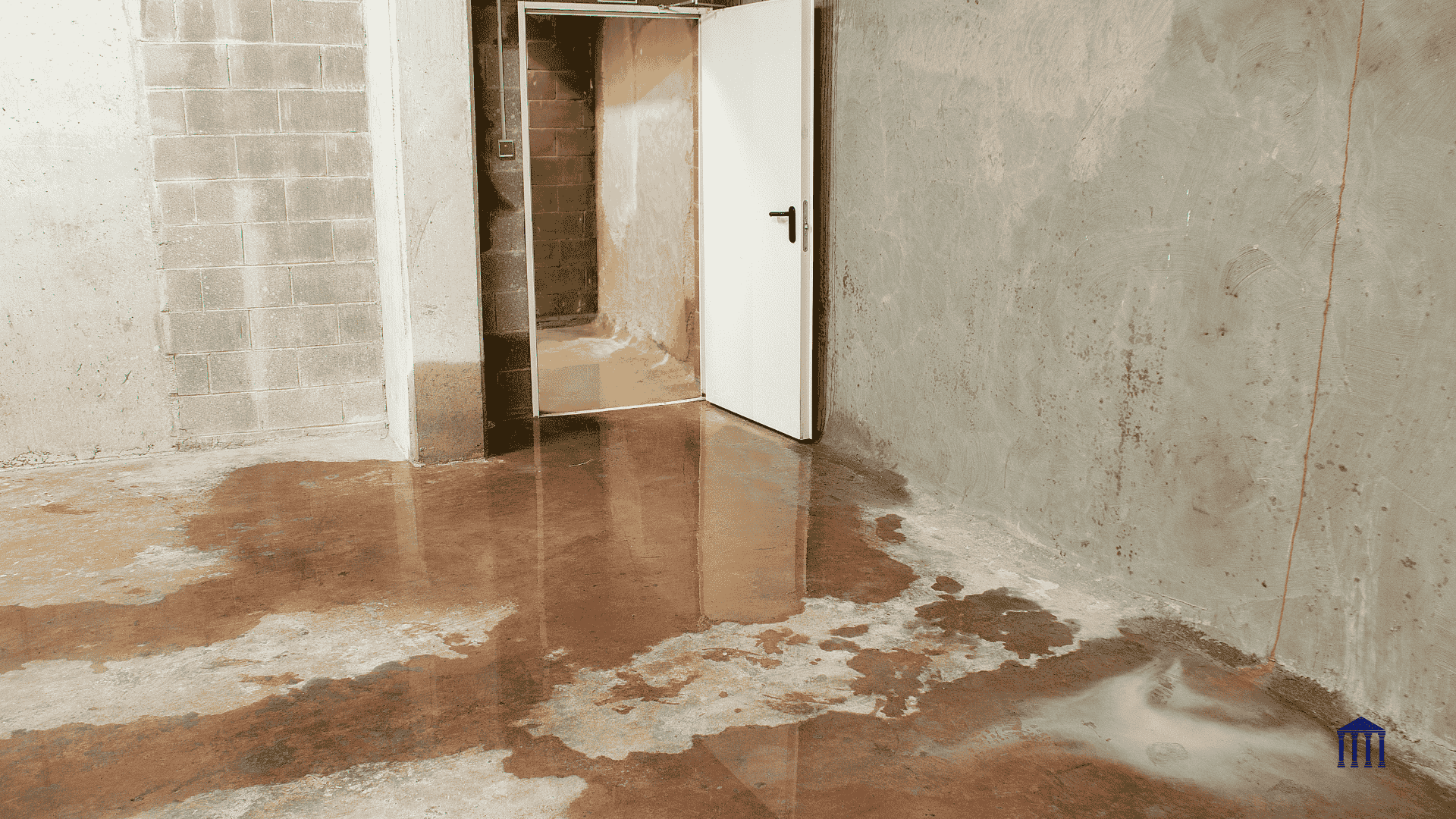
Michigan springs don't ease in gradually. One week you're still dealing with frozen ground and leftover snow, and the next, you've got heavy rain landing on soil that has nowhere left to put it. For mobile and manufactured homeowners, that transition is one of the most stressful times of year. Water finds its way in through crawlspaces, under skirting, through aging vapor barriers, and into subfloors before most people realize anything is wrong.
The good news is that spring water damage is largely predictable. The conditions that cause it show up the same way every year, and the warning signs usually appear before the serious damage sets in. Knowing what to look for and acting early is the difference between a manageable repair and a major restoration project.
Spring water damage rarely announces itself all at once. It usually starts small, and the early signs are easy to overlook or dismiss. Catching them early is where homeowners save the most money.
Here's what to watch for as Michigan heads deeper into spring:
A sump pump sits in a pit at the lowest point of your crawlspace or under-home area and pumps groundwater away from the structure before it can cause damage. When it's working correctly, you barely know it's there. When it's not, you find out fast.
For manufactured homeowners in Michigan, a functioning sump pump is one of the most important defenses against April basement flooding and spring water intrusion. It doesn't matter how well the rest of your drainage system is set up if the pump itself fails during a heavy storm.
Heading into spring without checking your sump pump is a gamble. These are the warning signs that something may be wrong:
Scheduling a sump pump inspection before the heavy rains arrive, particularly for homeowners in Rochester MI, Shelby Township, Orion Township, and surrounding areas, is one of the simplest ways to protect your home. An inspection confirms the pump is operational, the float switch is working correctly, and the discharge line isn't blocked or frozen from winter.
Catching a failing pump in March or early April costs far less than emergency water cleanup after it fails in the middle of a storm. This is exactly the kind of early action that keeps small maintenance issues from turning into major restoration projects.
The crawlspace underneath a manufactured home is the first place water targets in spring. A properly functioning vapor barrier keeps ground moisture from rising into the structure. Over time, vapor barriers crack, shift, or get torn, and those gaps become entry points for moisture that sits against the underside of your home for weeks at a time.
A compromised vapor barrier doesn't just let moisture in. It also creates the conditions for mold growth, wood rot, and insulation degradation, often without any visible sign from inside the home.
The engineered wood used in manufactured home subfloors is practical and cost-effective, but it has a real vulnerability to prolonged moisture exposure. Once water gets in and stays, that material begins to soften, delaminate, and break down. What starts as a soft spot underfoot can spread laterally through the subfloor over weeks, turning a localized repair into a much larger floor replacement.
Floor joists face similar risks. Moisture that collects beneath the home and sits against the framing will eventually cause rot and structural compromise, especially if it goes unaddressed through multiple wet seasons.
Manufactured homes typically have insulation installed beneath the floor, tucked up between the joists and held in place by the belly wrap. When that insulation gets wet, it holds moisture against the wood structure rather than letting it dry out. Wet insulation loses its effectiveness and becomes a liability, trapping the very water it should be helping keep out.
This is one of the areas where general contractors most often miss the root cause. Replacing flooring without addressing wet or compromised insulation below it means the damage will return.
This is the most common mistake homeowners make. Water in a manufactured home subfloor or crawlspace does not simply evaporate on its own, especially in spring when the air is still cool and humidity is high. Every day that moisture sits in the structure is another day of potential mold growth, wood degradation, and spreading damage.
Before anything else, take photos. Capture the location, the appearance of any stains or soft spots, and when you first noticed the issue. This documentation is useful both for any insurance claims and for helping a repair specialist understand the timeline and scope of the damage.
It's tempting to put a rug over a soft spot or push furniture against a stained wall panel. Resist that instinct. Covering visible damage makes it harder to assess and doesn't stop what's happening underneath. It also makes it easy to forget about until the problem is significantly worse.
This is the step that makes the biggest difference in outcome. A specialist who understands manufactured home construction will assess not just the visible damage but the underlying cause. Whether it's a failed vapor barrier, compromised insulation, subfloor deterioration, or a drainage issue around the perimeter of the home, finding the source is what separates a real repair from a temporary fix.
Homesaver handles emergency water cleanup, spring water damage repair, crawlspace restoration, subfloor replacement, and everything in between. We'll walk you through exactly what we find and what it takes to fix it properly.
Michigan springs are predictable in the best and worst ways. The snow melts, the rains come, and the ground gets saturated. That happens every year. What's not inevitable is the damage that follows when a home isn't ready for it.
The homeowners who come out of spring in the best shape are the ones who looked around their home in March and April, noticed the early warning signs, and made the call before things got worse. A soft floor caught early is a subfloor repair. A soft floor ignored for another season can become a full replacement involving joists, insulation, and vapor barrier. The difference in cost is significant.
Homesaver Remodeling has spent 15 years working exclusively on mobile and manufactured homes across Michigan, including Macomb County, Oakland County, Lapeer County, St. Clair County, and Wayne County. We understand how these homes are built, where they're vulnerable, and how to fix them the right way. If you've noticed something off this spring, a smell, a soft spot, a stain, or water near your skirting, don't sit on it.
Reach out today and let us take a look before a manageable problem turns into a major one.

We Service Mobile Parks In Michigan Including Macomb County, Oakland County, Lapeer County, St Clair County, Wayne County And More