
We Service Mobile Parks In Michigan Including Macomb County, Oakland County, Lapeer County, St Clair County, Wayne County And More
For emergency service, call now:
(586) 610-8608⚡ Fast Response | Expert Repairs | Trusted Service
August 12, 2026
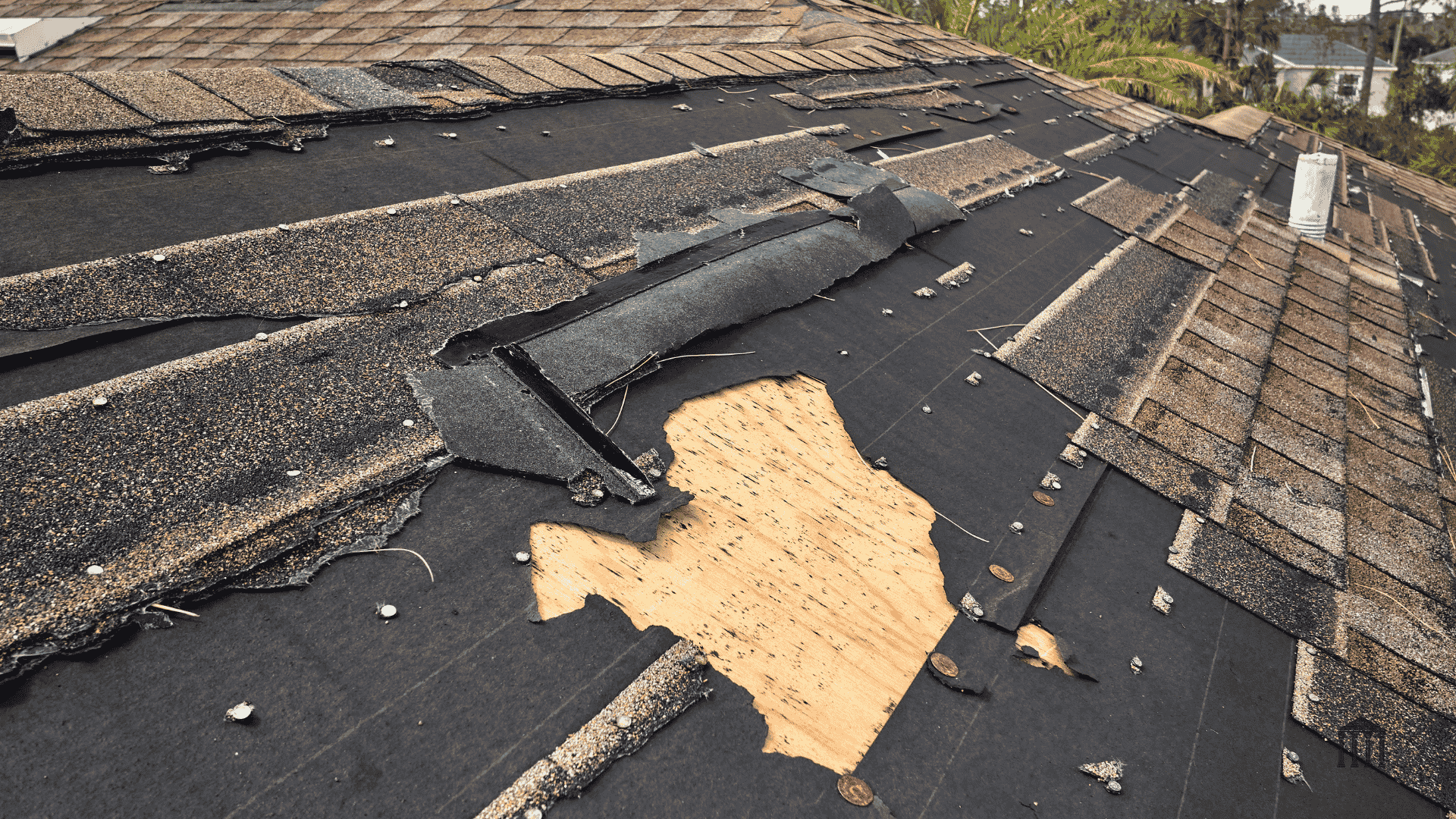
You heard the wind pick up around midnight. Maybe a branch scraped the side of the house, or the rain came in sideways for a while before it finally let up. Now it's morning, the sky is clear, and you're standing in your yard trying to figure out if anything actually happened to your home overnight.
For manufactured and mobile homeowners across Michigan, that quiet walk around the property after a storm matters more than most people realize. These homes are built differently than site built houses, and storm damage doesn't always show itself right away. A little wind under the wrong panel, a small gap around a vent, or a branch that landed just right can turn into a real problem within days if nobody catches it early.
Stand back far enough to see the whole roofline at once. You're looking for anything that looks uneven, lifted, or out of place compared to how it usually sits. Binoculars help if you have them, since climbing up right after a storm isn't worth the risk.
Wind gets underneath skirting panels more easily than people expect. Walk the base of your home and check for:
Siding damage is often subtle. Look for panels that seem slightly raised at the edges, new cracks, or spots where the color looks different because water got behind it. Run your hand along a suspicious area if it's within safe reach. If it flexes or feels loose, that's worth noting.
Michigan storms bring a specific combination of high wind and heavy rain that hits roofs hard. After a storm, look for:
Manufactured home roofs are built lighter than traditional roofs, which makes them more sensitive to wind uplift. A gust that a site built home shrugs off can lift a seam or shift a panel on a mobile home roof. This is one of the biggest reasons general contractors, who mostly work on traditional homes, miss damage that's obvious to someone who works on manufactured homes daily.
If you see any staining on your ceiling, hear dripping, or notice a musty smell in the days after a storm, don't wait. A roof leak inspection at that point isn't optional. Even if you don't see obvious exterior damage, water can travel a surprising distance before it shows up inside.
A branch that grazed your roof might look harmless. But that impact can crack a seam, loosen a panel, or create a small opening that lets water in during the next rain. Fallen tree damage cleanup should happen quickly, both for safety and to prevent hidden issues from spreading.
Manufactured homes have less structural give than traditional homes. A tree limb resting against a wall, even without visible cracking, can put ongoing pressure on the structure. This kind of stress often goes unnoticed until it causes a bigger issue weeks later.
Some situations call for waiting on a professional rather than handling things yourself. Avoid the following:
Check the seals around windows and doors for cracking, gaps, or areas that feel soft to the touch. Water intrusion often starts at a seal that's been slowly failing, and a storm is usually what pushes it past the point of holding.
Roof and wall vents are especially vulnerable during high wind. Look for:
A gap the size of a coin can let in enough moisture to start mold growth within days. These small openings rarely fix themselves, and they tend to get worse with every storm that follows. Catching them early is one of the simplest ways to avoid a much bigger repair later.
Walk through every room and look up. You're checking for:
Sometimes there's no visible sign at all, just a smell. A musty or damp odor that wasn't there before a storm usually means moisture is trapped somewhere behind a wall or under flooring. Trust your nose here. It often catches problems before your eyes do.
Mold doesn't wait for a convenient time to start growing. Once moisture gets trapped in a manufactured home's tighter wall and floor cavities, mold can begin developing within a day or two. Checking your home within the first 24 to 48 hours after a storm gives you the best chance of catching moisture before it becomes a mold remediation project.
Call for help right away if you notice:
Before checking anything storm related, rule out immediate safety hazards. Stay away from downed power lines completely. If you smell gas or notice your home feels structurally unstable, leave the area and call the appropriate emergency service before worrying about repairs.
The longer water sits, the more it spreads. A leak that would have cost a few hundred dollars to fix on day one can turn into subfloor replacement or mold remediation by week two. Storm restoration services are almost always less expensive when called early rather than after damage has had time to spread.
Storm damage on a manufactured home rarely stays the same size for long. It either gets caught early and fixed simply, or it sits quietly and grows into something bigger. The walk you take around your property the morning after a storm is one of the most useful things you can do as a homeowner.
Michigan storms aren't going anywhere, and neither are the quirks that come with owning a manufactured home. Having someone who understands both makes all the difference when something does go wrong.
If you walked your property today and noticed anything on this list, even something small, it's worth a phone call. Homesaver has spent over 15 years working exclusively on mobile and manufactured homes across Macomb, Oakland, Lapeer, St. Clair, and Wayne counties, and the team knows exactly what storm damage looks like on these homes specifically.

We Service Mobile Parks In Michigan Including Macomb County, Oakland County, Lapeer County, St Clair County, Wayne County And More