
We Service Mobile Parks In Michigan Including Macomb County, Oakland County, Lapeer County, St Clair County, Wayne County And More
For emergency service, call now:
(586) 610-8608⚡ Fast Response | Expert Repairs | Trusted Service
August 4, 2026
Every fall, Jeremy gets the same kind of call. Someone heard scratching in the ceiling for a few nights, figured it was nothing, and now there's a hole the size of a dinner plate above their bedroom. Mobile and manufactured homes sit low, close to the ground, and wrapped in materials that are easy for a determined animal to get through. Once wildlife finds a way in, the clock starts ticking on how much damage they'll do before anyone notices.
Not all animals cause the same kind of trouble. Some chew through wiring in a matter of days. Others quietly tear apart a crawlspace for months without anyone hearing a thing. Knowing which animal you're dealing with changes what you should be looking for and how fast you need to act.
Squirrels are small, but they cause disproportionate damage for their size. Their constant need to chew, combined with how easily they multiply, makes them one of the more aggressive intruders in a mobile home's attic space.
Squirrels are agile climbers and don't need much of an opening to get inside. They typically find their way in through:
Manufactured homes often have lighter roofing materials than site-built houses. That makes it easier for squirrels to chew an opening if one doesn't already exist.
Once inside, squirrels go to work fast. Their damage tends to include:
Chewed wiring is the most serious issue on this list. It's not always visible, and it's one of the leading causes of house fires linked to wildlife intrusion.
Squirrels don't just move in and stay quiet. They reproduce quickly, and one squirrel problem can become a family problem within weeks. Once a mother squirrel finds a safe attic space, she'll often return to the same spot year after year.
The longer squirrels stay, the more insulation they destroy and the more wiring they expose. What starts as a small scratching sound can turn into a full attic restoration project in a single season.
Raccoons bring a different kind of problem. They're bigger, stronger, and far less delicate than squirrels. Where a squirrel chews a small hole, a raccoon can tear one open.
Raccoons are strong enough to create their own entry points if they don't find one already available. Common access spots include:
Because raccoons are heavier and more forceful than squirrels, they can widen small gaps into large openings over just a few nights.
Raccoon damage tends to be more extensive and more expensive to repair. Homeowners often deal with:
Raccoon droppings can carry parasites and bacteria that pose health risks. This turns a repair job into a cleanup and restoration job as well.
Size matters when it comes to repair costs. A raccoon moving through an attic puts real weight on ceiling joists and ductwork, sometimes causing sagging or cracking that isn't obvious right away. Combine that with contamination cleanup, and raccoon damage frequently costs more to fix than squirrel or possum damage.
Raccoons are also more likely to den in a space for an extended period, especially mothers with young. That means more time causing damage before anyone realizes there's a problem.
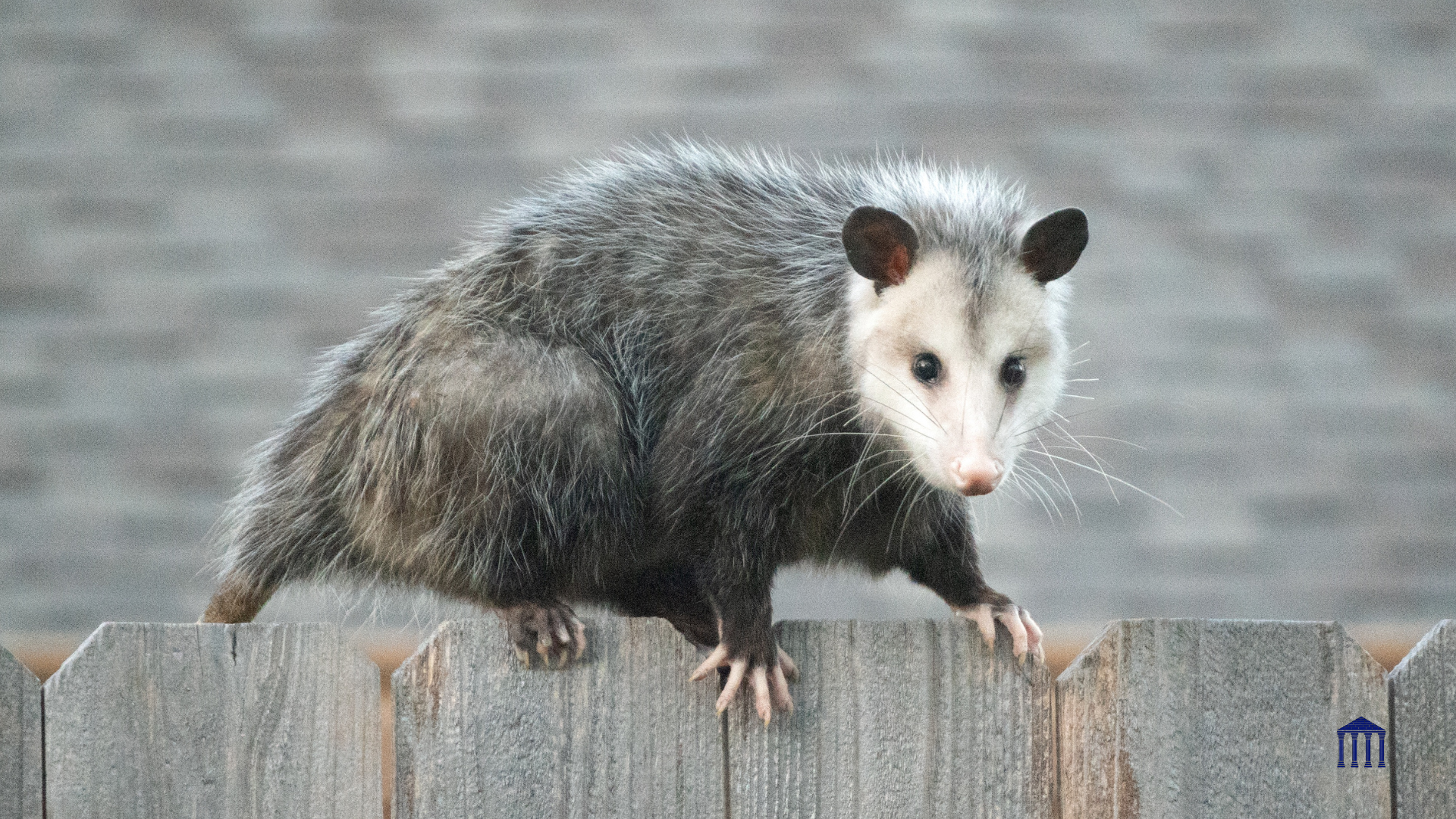
Possums don't get the same reputation as raccoons or squirrels, mostly because they're quieter and tend to stick to crawlspaces instead of attics. That doesn't mean the damage is minor. It just means it's easier to miss.
Possums are ground dwellers, so their entry points look different from squirrels or raccoons. They typically get in through:
Because possums don't climb the way squirrels and raccoons do, skirting condition is usually the deciding factor in whether they get inside.
Possum damage centers around the crawlspace and subfloor area. Homeowners commonly find:
Vapor barrier damage is worth paying close attention to. Once that barrier is compromised, moisture can move into the subfloor and create conditions for mold growth.
Nobody checks their crawlspace every week. That's exactly why possum damage tends to go unnoticed longer than squirrel or raccoon damage. Most homeowners only discover it once they notice a musty smell, a soft spot in the flooring, or a spike in their heating bill from lost insulation.
By the time possum damage gets noticed, it's often been developing for months. That delay can turn a simple insulation fix into a larger moisture and subfloor repair.
There's no single answer to which animal causes the most damage. It depends on what you're measuring: speed, cost, or how long the problem goes undetected.
Squirrels tend to cause damage the fastest. Their constant chewing and quick reproduction cycle mean an attic problem can grow rapidly within a few weeks.
Raccoons usually come out on top here. Their size leads to more structural stress, more contamination, and more extensive cleanup, which adds up to higher repair costs.
Possums win this category, unfortunately for homeowners. Crawlspace damage stays hidden longer than attic damage, giving it more time to spread before anyone notices.
Regardless of which animal you're dealing with, the early warning signs tend to follow a pattern. Keep an eye out for:
Catching even one of these signs early can save you from a much bigger repair bill down the road.
Whether it's a squirrel chewing through wiring, a raccoon tearing apart your attic, or a possum quietly damaging your crawlspace, the underlying problem is the same. Something found a way into your home, and it's not leaving on its own. Each situation calls for a different repair approach, which is why an accurate diagnosis matters just as much as the repair itself.
Waiting rarely makes any of these problems smaller. A small gap in your skirting today can turn into a torn vapor barrier and a moisture issue by next spring. The sooner the entry point gets identified and the damage assessed, the less it costs to fix.
If you've heard noises in your attic, noticed damaged skirting, or found insulation scattered near your vents, it's worth having someone look before the damage gets worse. Homesaver Remodeling works exclusively with mobile and manufactured homes across Macomb, Oakland, Lapeer, St. Clair, and Wayne counties, and we know exactly where these homes are vulnerable to wildlife.
Give Jeremy a call and he'll tell you straight what you're dealing with and what it'll take to fix it.

We Service Mobile Parks In Michigan Including Macomb County, Oakland County, Lapeer County, St Clair County, Wayne County And More