
We Service Mobile Parks In Michigan Including Macomb County, Oakland County, Lapeer County, St Clair County, Wayne County And More
For emergency service, call now:
(586) 610-8608⚡ Fast Response | Expert Repairs | Trusted Service
July 31, 2026
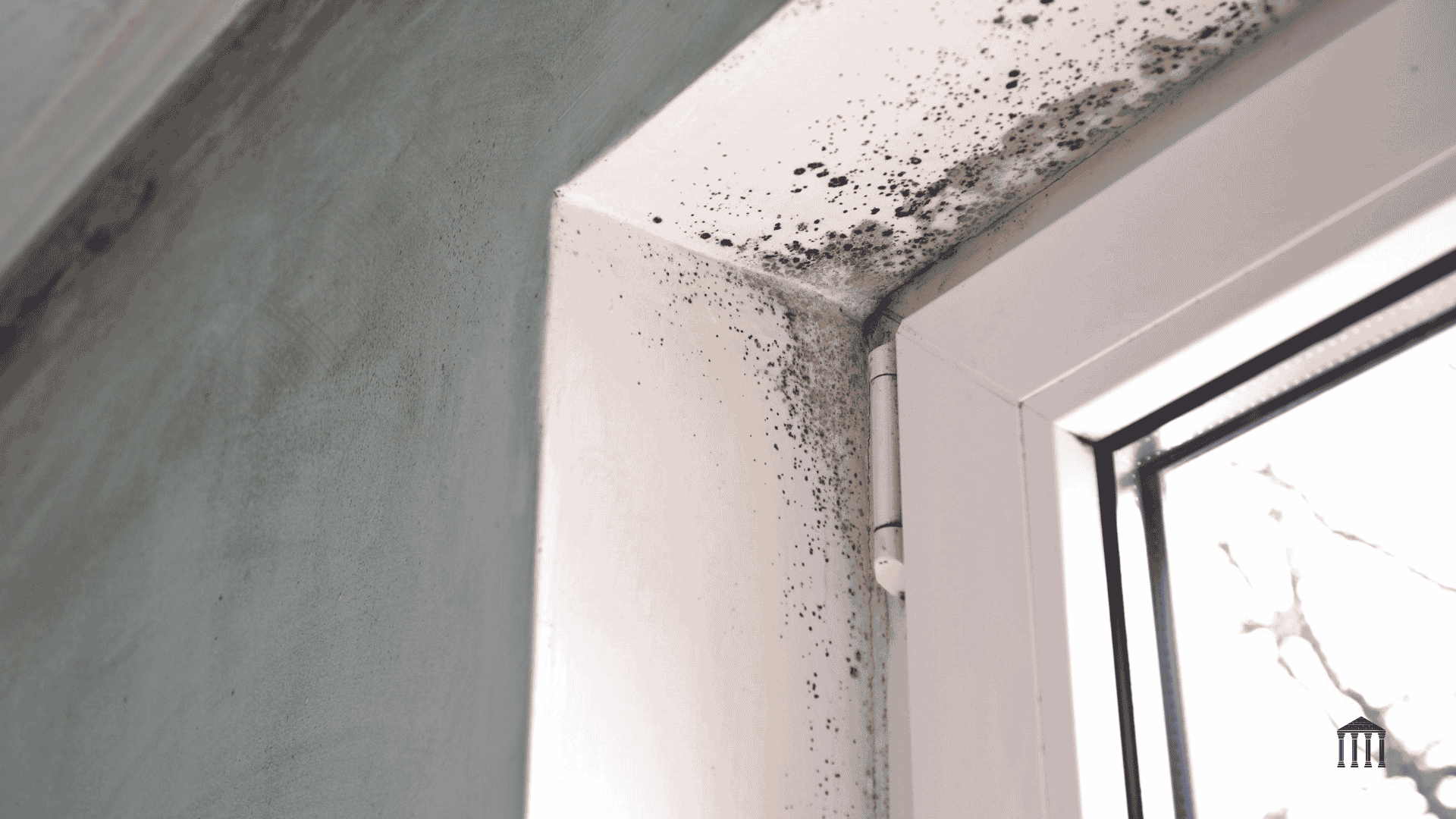
Michigan summers are legitimately humid. Most people feel it the moment they step outside in July — that heavy, sticky air that makes even a short walk to the car feel like too much. The natural response is to close up the house, run the air conditioning, and wait it out. It works well enough for comfort. What it does not do is protect the parts of your home you cannot see.
Inside a mobile or manufactured home, summer humidity is not just a comfort issue. It is a structural one. The materials used in manufactured home construction — engineered wood subfloors, pressed-wood framing, fiberglass insulation, flexible belly wrap — absorb and hold moisture in ways that create ideal conditions for mold. Not gradual, slow-growing mold. Fast-moving mold that can spread across an entire crawlspace or wall cavity in a matter of weeks when summer conditions are right.
Many homeowners first notice something is off not by seeing mold but by smelling it. A musty odor after a rainy stretch, or a family member dealing with congestion and headaches that nobody can explain. By the time there is something visible on a wall or ceiling, the mold has usually been active for a while. The gap between "there might be something going on" and "this is a significant remediation job" closes faster in summer than in any other season.
The crawlspace is the most common origin point for summer mold in manufactured homes. Ground moisture, rainwater infiltration, condensation, and poor ventilation combine to create a persistently damp environment. Mold takes hold in the insulation, along the belly wrap, and on the underside of the subfloor. Homeowners often do not know it is there until floors start to soften or a strong odor becomes impossible to ignore.
Attic spaces in manufactured homes vent warm air out, but when exterior humidity is high, that venting can actually pull moisture-laden air in. Condensation forms on the cooler surfaces of roof decking, and mold follows. Attic mold is particularly easy to miss because there is no obvious sign of it inside the living space until the damage is already significant.
Manufactured home wall panels are thinner than site-built drywall and have minimal airflow behind them. Moisture that migrates in through a window seal, a small roof leak, or even interior humidity from cooking and bathing can accumulate in wall cavities without any visible sign on the surface. The smell is usually what gives it away first.
Flexible ductwork runs through the belly of a manufactured home, and when there is a small separation or gap in the system, conditioned air escapes into the crawlspace. That creates a moisture cycle that feeds mold growth around the ductwork and the surrounding insulation. Flooring materials installed over a damp subfloor also trap moisture beneath them, accelerating deterioration and mold growth in a space no one ever looks at.
Most homeowners who end up with a serious mold problem saw early signs and reasonably assumed the issue was minor or temporary. These are the ones that matter:
OSB subfloor, engineered wood framing, and pressed-wood components absorb moisture quickly and hold it longer than dimensional lumber. Once these materials become saturated, they do not dry out easily, especially in a crawlspace or enclosed wall cavity with limited airflow. Mold does not need standing water — it needs material that stays damp, and manufactured homes have plenty of it when moisture gets in.
Site-built homes typically have more depth in floor and wall assemblies, which allows for some degree of air movement. Manufactured homes are more compact. Wall cavities are shallower. The space beneath the floor is enclosed by belly wrap. When moisture enters these spaces, there is nowhere for it to go, and no airflow to help it dry out. That stagnant, damp environment is exactly what mold needs to spread.
This is one of the most consistent patterns in mold remediation on manufactured homes. A homeowner — or a contractor who does not specialize in manufactured homes — removes visible mold from a surface, treats it, and considers the job done. Six months later, the mold is back, often worse. Without fixing the moisture source, whether that is a damaged vapor barrier, a duct gap, a failing window seal, or a compromised crawlspace, the same conditions that created the mold the first time will create it again.
Homesaver Remodeling works exclusively with mobile and manufactured homes. That distinction matters in mold remediation because the process is not just about removing what is visible. It is about understanding how moisture moves through this specific type of construction and tracing the problem back to its actual source.
The remediation process covers:
Prevention matters, and there are concrete steps manufactured homeowners can take to reduce moisture buildup during the summer months:
A lot of homeowners notice something in June or July and make a mental note to deal with it in the fall. Life gets busy. The smell fades on cooler days. The soft spot in the floor is not getting worse, as far as they can tell. By October, the mold has had three or four full months of ideal conditions to establish itself deeply in the materials below the living space.
Manufactured homes have specific vulnerabilities to summer moisture that site-built homes simply do not share in the same way. Knowing that, and taking it seriously at the first sign of a problem, is what keeps a manageable situation from turning into a major one.
If something in your home smells off, if the floors have developed a soft spot, or if anyone in the household has been dealing with unexplained respiratory symptoms this summer, that is worth a call. It may turn out to be minor. It may turn out to be something that needs real attention. Either way, you are better off knowing.
Homesaver Remodeling works exclusively with mobile and manufactured homes across Michigan, including Macomb, Oakland, Lapeer, St. Clair, and Wayne counties. Mold remediation is handled from source to finish: we find where the moisture is coming from, fix it, and restore the materials it damaged. No surface-only treatment. No guesswork from contractors who have never worked on a manufactured home before.

We Service Mobile Parks In Michigan Including Macomb County, Oakland County, Lapeer County, St Clair County, Wayne County And More