
We Service Mobile Parks In Michigan Including Macomb County, Oakland County, Lapeer County, St Clair County, Wayne County And More
For emergency service, call now:
(586) 610-8608⚡ Fast Response | Expert Repairs | Trusted Service
July 31, 2026
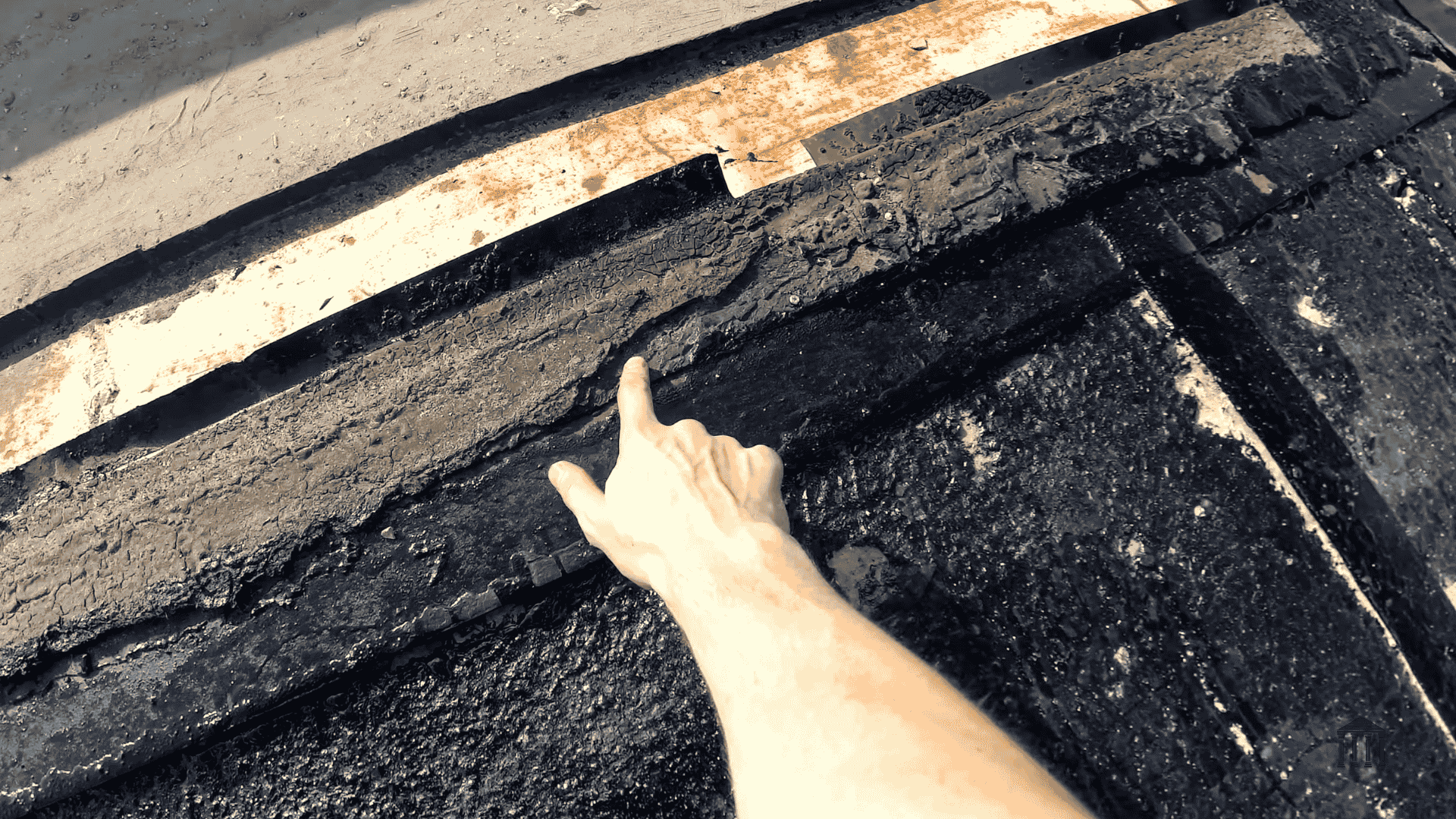
Michigan spring weather doesn't give much warning. A clear morning can turn into a severe thunderstorm by afternoon, and the kind of wind that comes with those storms isn't gentle. For mobile and manufactured homeowners, spring storm season is one of the most important times of year to pay attention to what's happening above your head. Roofs on manufactured homes have specific vulnerabilities that don't get talked about enough, and a storm that barely registers as news can do real damage to a roof that wasn't ready for it.
The homeowners who avoid the worst of it aren't lucky. They're prepared. Understanding how Michigan storms affect manufactured home roofs, what to look for before and after a storm, and when to call a specialist is what keeps a minor repair from turning into an emergency restoration.
Spring is a good time to do a careful check of your roof, even if you haven't experienced a major storm recently. Winter alone can create damage that sets your roof up for failure when storm season arrives. Here's what to look for:
One of the most frustrating things about wind damage on manufactured home roofs is that the worst of it often isn't visible from the ground. A roof can look intact from street level while having lifted seams, micro-tears in the surface material, or loosened edges that are actively allowing water intrusion. By the time damage becomes obvious from inside the home, it has usually been progressing for a while.
This is why visual checks from the ground have real limits. They're worth doing and can reveal obvious problems, but they don't replace a proper inspection of the roof surface itself. Small separations and areas of lifted material require a closer look to identify, and those are exactly the vulnerabilities that compound into bigger problems if they go unaddressed.
Water doesn't need a large opening to cause serious damage in a manufactured home. A lifted seam a fraction of an inch wide, repeated exposure to rain driven by wind, and the interior of that home starts accumulating moisture in places that weren't designed to handle it. Ceiling panels absorb water and sag. Insulation gets wet and loses its effectiveness. Wall panels near the affected area begin to show staining or softening.
The interior damage that follows undetected roof damage is often more expensive to repair than the roof issue that caused it. Addressing a compromised seam early costs far less than replacing a section of ceiling, treating for mold, and then fixing the roof afterward.
The materials used in manufactured home construction are engineered for efficiency and cost-effectiveness, but they respond to prolonged moisture exposure differently than the materials in site-built homes. Engineered wood components, pressed board, and certain panel materials can degrade faster once moisture gets into them consistently. A roof issue that might be a slow burn in a site-built home can escalate more quickly in a manufactured home, which is exactly why early detection and fast response matters so much.
The condition of the roofing material itself is the starting point. An inspection should assess whether the surface is intact, whether any areas are lifted or separating, and whether the material has aged to the point where it's becoming brittle or losing its seal. Seam integrity across the entire surface needs to be checked, not just the visible edges.
Wind gets its grip at the edges first. The perimeter of the roof, including the fascia board and any drip edge, needs to be examined for looseness, separation, or damage. A compromised roof edge is one strong gust away from a much larger problem.
Every vent, pipe, or opening in the roof surface should be checked for sealant condition. Sealant that has cracked, shrunk, or pulled away from the penetration creates an open path for water. This is a straightforward fix when caught early and a recurring problem when ignored.
A complete roof inspection doesn't stop at the roof. Checking interior ceilings for staining, soft spots, or any sign of moisture infiltration is part of understanding the full picture. Sometimes the interior tells you about a roof problem before the roof surface does.
Don't get on the roof yourself, especially in the immediate aftermath of a storm when surfaces may be wet, debris may be present, and structural integrity may be compromised. The inspection can wait until it can be done safely by someone equipped to do it.
Walk around the perimeter of your home and look at the roofline from the ground. Look for obvious missing material, debris on the roof, or damaged fascia. Then go inside and check your ceilings in every room for new staining or soft spots. Write down what you observe and where.
Before you move any debris, cover anything, or attempt any temporary repairs, take photos. Photograph the roof from the ground, any visible damage to the exterior, and any interior staining or damage. This documentation is valuable for insurance purposes and helps a repair specialist understand the full scope of what happened.
Here's what to capture:
If there's a clearly exposed area of the roof and further rain is expected, a tarp secured over that area can limit additional water intrusion until a professional assessment can take place. This is a temporary measure, not a repair, but it can make a real difference in preventing interior damage from compounding while you wait.
Michigan spring storms are not a maybe. They're coming, and some of them will be severe. The question isn't whether your roof will be tested this season. It's whether it's ready when that happens.
A pre-season roof inspection is the simplest way to get ahead of that scenario. It tells you what condition your roof is actually in, identifies anything that needs attention before storm season peaks, and gives you the peace of mind of knowing your home is ready for whatever spring brings. And if a storm has already come through and you're not sure what it did, the right move is to find out now rather than after the next one.
Homesaver Remodeling specializes exclusively in mobile and manufactured homes across Michigan. From spring roof inspections to emergency storm restoration, we'll tell you exactly what we find and exactly what it takes to fix it the right way.
Don't wait for the next storm to find out what your roof can't handle.
📞 (586) 610-8608 🔗 homesaverremodeling.com

We Service Mobile Parks In Michigan Including Macomb County, Oakland County, Lapeer County, St Clair County, Wayne County And More