
We Service Mobile Parks In Michigan Including Macomb County, Oakland County, Lapeer County, St Clair County, Wayne County And More
For emergency service, call now:
(586) 610-8608⚡ Fast Response | Expert Repairs | Trusted Service
July 31, 2026
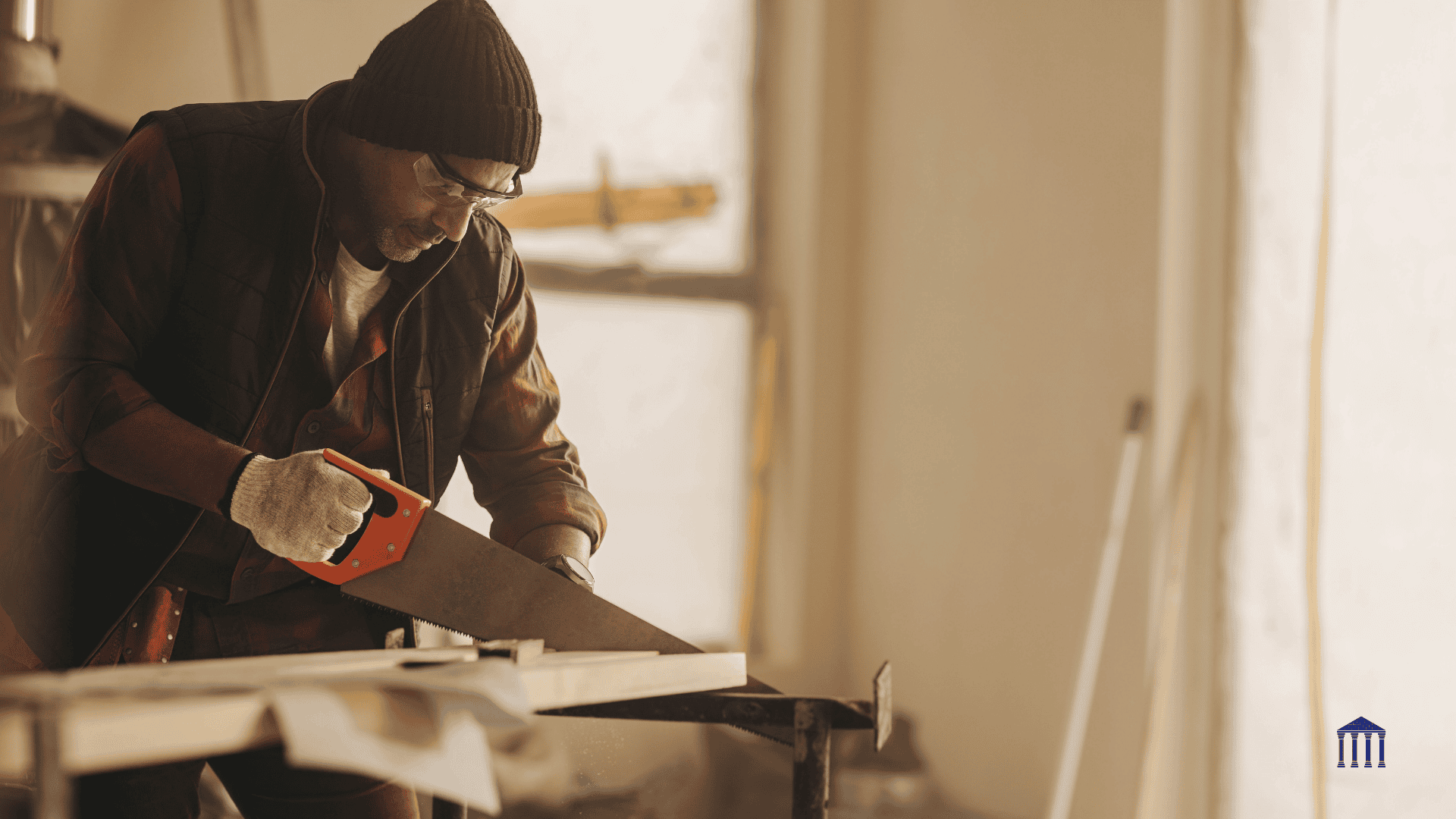
Spring damage is demoralizing. You deal with the water, the mess, the stress of figuring out what's ruined and what can be saved, and then you spend weeks getting your home back to the way it was before any of it happened. After all of that, you're back to square one. It doesn't feel like progress. It just feels like surviving.
But there's a different way to look at it. When damage forces you to open up walls, replace floors, or pull out ceilings, you're already doing the hard part. The disruption is happening whether you want it to or not. The question is whether you come out the other side with a home that's simply patched back together, or one that's genuinely better than it was before the storm hit. For manufactured homeowners in Michigan, that distinction is worth thinking about before the first repair crew shows up.
Subfloor damage is one of the most common results of spring water intrusion in manufactured homes. When a vapor barrier fails or ground moisture finds its way in, the engineered wood subfloor is usually the first structural component to suffer. Repairing or replacing it is non-negotiable once it has deteriorated past a certain point.
That repair requires removing the flooring above it. And that's exactly the right moment to think about what goes back down. Options worth considering include:
New flooring changes the feel of a living space more immediately and dramatically than almost any other single improvement. Coming out of a water damage repair with a floor that looks and performs better than what was there before turns a frustrating situation into a genuine win.
Ceiling panel damage from roof leaks is another consistent spring repair. Replacing stained or softened ceiling panels is straightforward work, and it opens up the entire ceiling of the affected area in the process.
That's an opportunity to:
Storm damage to siding and skirting is often treated as a purely cosmetic issue, but it's more than that. Siding protects the wall assembly from wind-driven moisture. Skirting keeps the crawlspace environment stable and blocks animals, debris, and cold air from getting under the home. When either one is damaged, the home's overall performance and protection drops.
Replacing storm-damaged siding is the right moment to:
Skirting replacement similarly creates an opportunity to:
Water-compromised or storm-damaged windows and doors are more than a security and comfort issue. When a window frame or door frame has been softened by moisture infiltration, the surrounding wall structure is often affected as well. Addressing the frame without addressing what's around it is a partial fix.
Replacing windows and doors during a spring repair is the opportunity to:
Energy-efficient windows and doors pay for themselves over time in a manufactured home, where heating and cooling costs are often higher than in site-built homes due to the compact structure and proximity to the elements.
Damaged insulation and vapor barriers are foundational issues. When moisture saturates insulation beneath the floor or along the walls, that insulation stops performing its job and starts working against the structure by holding water in contact with wood framing. Replacing it is necessary, not optional.
That replacement is the best possible moment to:
Upgraded insulation and vapor barrier work has a direct impact on comfort and energy costs. In Michigan winters especially, a manufactured home with properly updated insulation performs noticeably better than one with original or patched materials.
Before any work begins, Homesaver does a thorough assessment of the damage. That means looking beyond the visible signs to understand where moisture actually traveled, what structural components were affected, and what the full scope of repair looks like. Surface-level assessments lead to incomplete repairs. Understanding the full picture before work starts is what makes the finished result hold up.
Once the assessment is complete, Homesaver has a straightforward conversation with the homeowner about what needs to be repaired and what could be upgraded while that work is already underway. There's no pressure involved in that conversation. The goal is to make sure homeowners understand their options so they can make decisions that fit their budget and their priorities.
Some homeowners want the most efficient path back to normal. Others want to take the opportunity to improve specific areas they've been thinking about for a while. Both approaches are valid, and the process adapts to what makes sense for the individual situation.
One of the most practical advantages of combining restoration and remodel work is the reduction in disruption. The home is opened up once. Work is coordinated and sequenced so that restoration and upgrades happen together in a logical order. When the crew leaves, the home is done, not partway done with a second project still pending.
That efficiency matters to homeowners who have already been through the stress of a spring damage event. Getting to a finished result in a single process, rather than managing multiple projects over an extended period, is something Homesaver consistently hears back from customers as one of the most appreciated parts of how the work gets done.
The goal at the end of every restoration and remodel project is a home that's structurally sound, updated where it makes sense, and ready for whatever the next season brings. Not a patched version of what existed before, but a genuinely improved home that reflects the investment of time and money the homeowner put into getting it right.
The homeowners who come out ahead after spring damage are the ones who recognized that the repair was already a starting point. The disruption was real, the stress was real, but so was the opportunity to make intentional choices about what went back into the home while it was already open.
That mindset shift doesn't require spending more than you planned. It requires working with a team that understands manufactured home construction well enough to see where the upgrade opportunities actually are, and that will have an honest conversation with you about what makes sense given your situation.
Homesaver Remodeling has spent 15 years working exclusively with mobile and manufactured homeowners across Michigan. We handle water damage restoration, storm damage repair, and full home remodeling services, and we bring all of it together in a single process that minimizes disruption and maximizes what you get at the end. Whether spring damage has already hit your home or you're getting ahead of what the season might bring, we're ready to help.
Reach out today and let's talk about what your home needs, and what it could be.

We Service Mobile Parks In Michigan Including Macomb County, Oakland County, Lapeer County, St Clair County, Wayne County And More