
We Service Mobile Parks In Michigan Including Macomb County, Oakland County, Lapeer County, St Clair County, Wayne County And More
For emergency service, call now:
(586) 610-8608⚡ Fast Response | Expert Repairs | Trusted Service
June 9, 2026
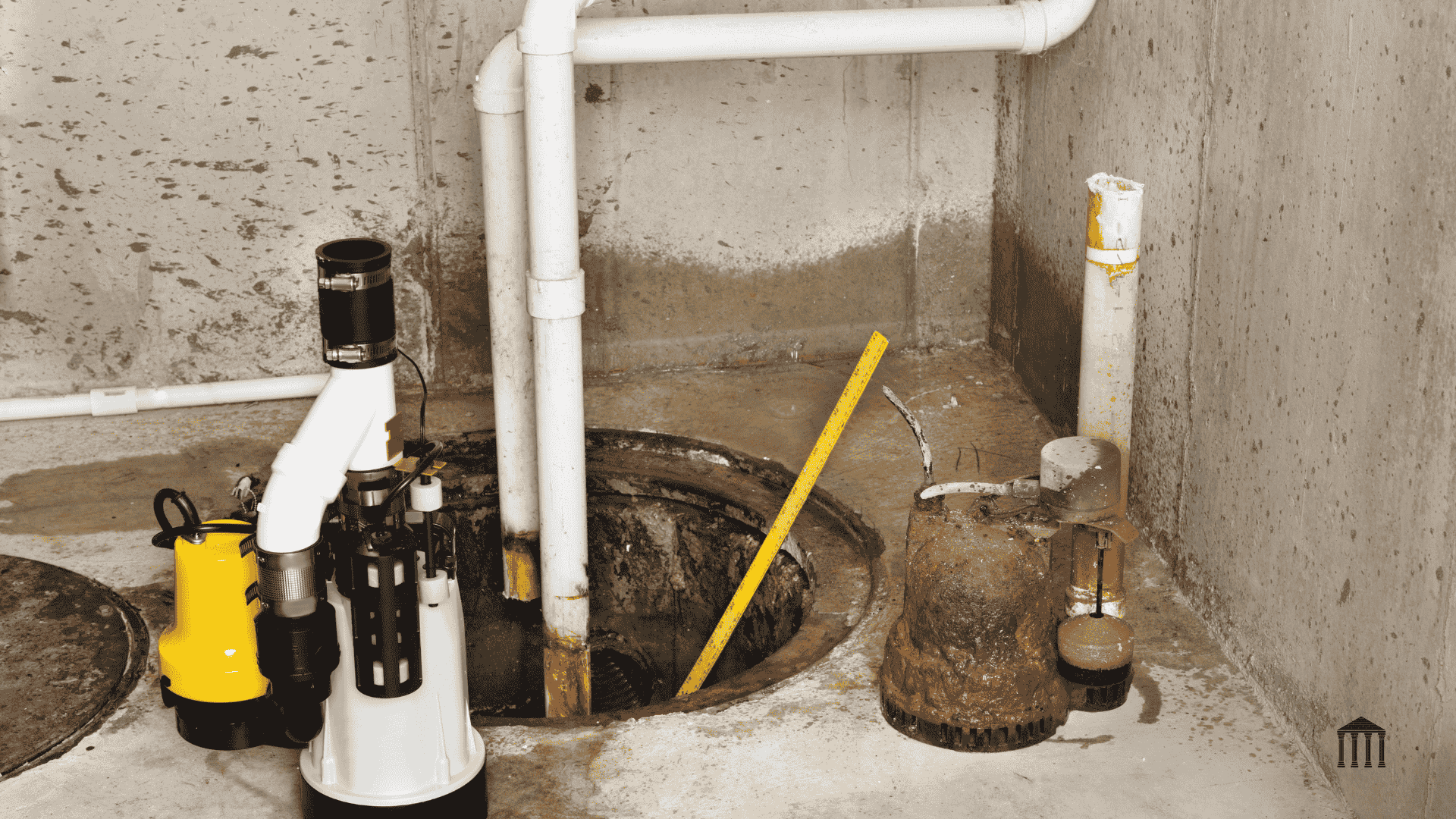
As the ground begins to thaw and spring rains move in, your home’s drainage systems are put to the test. Melting snow combined with heavy rainfall can quickly saturate the soil around your foundation, increasing the risk of water finding its way into your basement. In many homes, the sump pump becomes the first and most important line of defense against flooding—but only if it’s working properly.
After months of winter conditions, your sump pump may have been working harder than you realize or sitting idle in freezing temperatures that can affect its performance. As spring approaches, any hidden issues can quickly surface when your system is suddenly required to handle increased water flow. What seems like a small mechanical problem can turn into a major failure at the worst possible time—right in the middle of a heavy storm.
Taking a closer look at your sump pump before the rainy season begins can help you avoid unexpected breakdowns and costly water damage. Understanding the early warning signs of sump pump failure gives you the opportunity to act early, protect your basement, and keep your home safe and dry when it matters most.
A properly functioning sump pump should operate with minimal noise. If you start to hear unusual sounds or notice excessive movement, it’s often a sign that internal components are wearing out or becoming damaged.
Watch for:
These issues can indicate problems with the motor, impeller, or other internal parts. If left unaddressed, they can lead to reduced performance or complete failure when you need the pump most.
Your sump pump should activate only when needed and shut off once water levels are under control. If it begins cycling unpredictably or runs continuously, it may not be responding properly to water levels.
Common signs include:
These problems often point to issues with the float switch or sensor system, which controls when the pump turns on and off. If these components malfunction, your pump may not activate when it should or may burn out from overuse.
Over time, constant exposure to moisture can cause metal components in your sump pump to corrode. While a small amount of wear is normal, visible rust is often a sign that your system is aging or deteriorating.
Look for:
Corrosion can interfere with moving parts, restrict performance, and shorten the overall lifespan of your sump pump. If it’s left unaddressed, it may lead to failure when the system is needed most.
One of the clearest signs of a sump pump issue is when water isn’t being removed efficiently from the sump pit. If the system isn’t keeping up with incoming water, your basement could be at risk.
Common indicators include:
These problems may be caused by clogs in the intake or discharge line, a failing motor, or improper installation. Regardless of the cause, poor drainage should be addressed quickly to prevent flooding.
Your sump pump area should not produce strong or unpleasant odors. If you notice musty or foul smells coming from the sump pit, it could be a sign of stagnant water or underlying moisture issues.
Be aware of:
These odors often point to poor drainage, lack of maintenance, or water that isn’t being properly cycled out. In addition to affecting air quality, they may signal conditions that could lead to mold growth or system failure.
Your sump pump depends entirely on electricity to function, which makes power-related problems one of the most common causes of failure—especially during storms when the system is needed most.
Key concerns include:
For a sump pump to work efficiently, water needs to flow freely through the intake and discharge system. Any obstruction can reduce performance or stop the system entirely.
Common blockage issues include:
Like any mechanical system, sump pumps experience wear and tear over time. Components can degrade with regular use, especially after handling increased water levels during winter and early spring.
Signs of wear-related failure include:
Managing water outside your home is just as important as having a functioning sump pump. Proper drainage helps reduce the amount of water that reaches your foundation in the first place.
Important steps include:
By controlling how water flows around your home, you reduce the pressure on your sump pump system.
Even the best sump pump can fail if it loses power or becomes overwhelmed. Backup systems provide an added layer of protection during severe weather conditions.
Consider adding:
These systems help ensure continuous protection, even when primary systems are compromised.
Routine maintenance is one of the most effective ways to prevent sump pump failure. A well-maintained system is far more likely to perform reliably when spring storms arrive.
A strong maintenance routine should include:
Staying proactive with maintenance helps extend the life of your sump pump and reduces the risk of unexpected flooding.
Spring rains can quickly overwhelm a home that isn’t properly prepared. A sump pump that isn’t functioning correctly can turn a manageable situation into significant water damage in a matter of hours. What might begin as a small mechanical issue or overlooked maintenance task can escalate rapidly when your system is pushed to handle heavy water flow.
By recognizing warning signs early and taking preventative steps, you give your home the protection it needs before problems arise. Routine inspections, proper maintenance, and backup systems all play a role in keeping your basement dry and your property protected. A little preparation now can save you from costly repairs, water damage, and unnecessary stress when the next storm hits.
If you’re noticing sump pump failure signs or want to prepare for spring basement flooding in Michigan, Homesaver Contracting Company is here to help. Our experienced, in-house team provides sump pump inspections, flood prevention solutions in Orion Charter Township and surrounding areas, and emergency water cleanup services when you need them most.
📞 Phone: 1 (586) 610-8608
📍 Address: 680 Quatro Lane, Addison Township, MI 48367
📧 Email: homesavercontractingco@gmail.com
🌐 Website: https://www.homesaverremodeling.com/

We Service Mobile Parks In Michigan Including Macomb County, Oakland County, Lapeer County, St Clair County, Wayne County And More