
We Service Mobile Parks In Michigan Including Macomb County, Oakland County, Lapeer County, St Clair County, Wayne County And More
For emergency service, call now:
(586) 610-8608⚡ Fast Response | Expert Repairs | Trusted Service
March 22, 2026
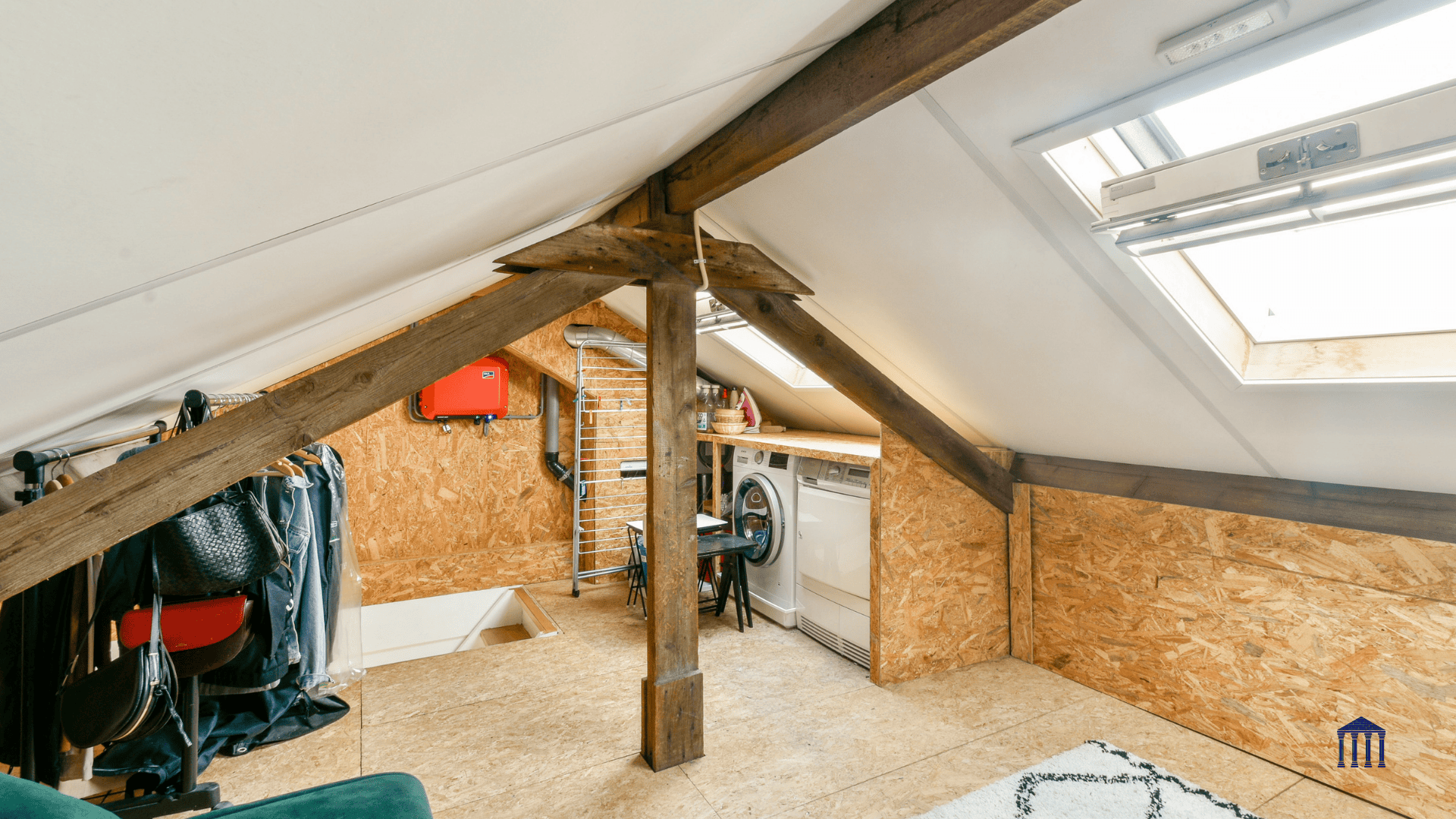
Many Michigan homeowners assume wildlife activity slows down until spring. But the truth is, the earliest nesting behaviors begin long before the snow melts. In late winter—especially during February warm-ups—squirrels, raccoons, birds, and mice begin searching for safe, sheltered places to build nests and raise their young. And for many of these animals, nothing is more inviting than a warm attic.
As temperatures drop outside, attic spaces offer the perfect combination of heat, safety, and hidden corners. This makes them prime real estate for wildlife looking to settle in before spring arrives. Unfortunately, these early-season intruders can cause extensive damage: torn insulation, chewed electrical wires, soaked underlayment, and structural deterioration. If nesting continues undetected, the repair costs can escalate quickly.
This is why late-winter inspections and preventative action are crucial. Sealing openings, repairing weakened areas, and monitoring noise or odor changes help homeowners stay ahead of nesting season—and protect one of the most vulnerable parts of the home.
Squirrels are some of the earliest nesters in Michigan. As soon as temperatures rise slightly, they begin preparing for spring litters. These agile climbers enter attics through small openings along the roofline, damaged soffits, or gaps in fascia boards.
Once inside, squirrels are destructive:
Raccoons are far stronger and more persistent than squirrels. Female raccoons specifically target warm attic spaces as birthing dens. They are capable of:
Michigan birds often begin nesting earlier than expected, especially during mild winters. Dryer vents, bathroom vents, soffits, and gable vents become attractive nesting sites. While birds may seem harmless, their nesting materials create:
Rodents remain active year-round, but their indoor activity increases dramatically during late winter. They enter through:
Strange noises are often the first warning sign. The time of day helps identify the culprit:
Even small openings can invite wildlife inside. Common access points include:
Attic wildlife leaves unmistakable signs of destruction:
Strong odors often indicate long-term wildlife presence. Droppings, urine-soaked insulation, or piles of shredded material are clear signs a nest has been built. Raccoons and rodents in particular leave behind bacteria, parasites, and harmful contaminants that should be handled professionally.
One of the most dangerous consequences of wildlife intrusion is damaged wiring. Squirrels, mice, and rats instinctively chew on electrical wires to sharpen their teeth or create nesting space. Even minor gnaw marks can strip a wire’s protective coating, exposing live electrical current.
This kind of damage:
Insulation is often the first thing wildlife tears apart when building nests. Animals rip it into pieces, flatten it, or move it entirely out of place. When insulation is compromised, your home loses its thermal barrier.
This results in:
Wildlife droppings, urine, and nesting materials introduce harmful contaminants into your attic environment. Over time, these pollutants can circulate throughout your home.
Common risks include:
These contaminants can worsen allergies, aggravate asthma, or create long-term respiratory issues if not remediated properly.
When wildlife tears through vapor barriers, insulation, and roofing materials, your attic becomes vulnerable to moisture intrusion. Openings created by raccoons, squirrels, or birds allow cold air and snow to enter the attic space—leading to condensation and even leaks.
Moisture problems can cause:
Late winter is the ideal time to check your home’s exterior for weaknesses. Focus on:
Preventative repairs keep wildlife from gaining access. Effective measures include:
Tree branches that hang over or touch your roof act as wildlife highways. Squirrels and raccoons use these as convenient pathways to reach your attic.
Proper landscaping maintenance includes:
Early detection makes all the difference. Pay attention to:
Wildlife removal may seem simple, but it can be dangerous. Animals may:
DIY traps or repellents often fail and can worsen the situation by driving animals deeper into the structure.
Professionals are trained to handle infestations safely and humanely. They:
A thorough assessment helps eliminate the current problem and prevent it from happening again.
After wildlife is removed, the attic must be restored to prevent long-term issues. Repairs often include:
Wildlife-contaminated attics require proper cleanup to restore healthy air quality. Professional sanitization removes:
Decontamination ensures your attic is safe for your family and prevents lingering odors or allergen issues.
Wildlife nesting season begins much earlier than most Michigan homeowners realize. By late winter, animals are already searching for warm, quiet places to raise their young—making your attic a top target long before spring officially arrives. Without early intervention, these intrusions can lead to extensive structural damage, contamination, and costly repairs that continue long after the animals are gone.
A late-winter attic inspection is one of the most effective ways to protect your home. Identifying vulnerabilities now—before nesting begins—ensures you can seal entry points, reinforce weak areas, and address any developing issues while they’re still manageable. Early action not only prevents wildlife from settling in but also safeguards your insulation, wiring, ventilation, and air quality for the season ahead.
Homesaver Contracting Company specializes in keeping Michigan homes safe from attic wildlife intrusions. From sealing entry points and repairing nesting damage to restoring insulation and improving ventilation, our experienced team provides the comprehensive protection your home needs before wildlife nesting season begins. Whether you're hearing mysterious noises, spotting damage, or simply want to secure your attic proactively, we’re here to help.
Homesaver Contracting Company
📞 Phone: 1 (586) 610-8608
📍 Address: 680 Quatro Lane, Addison Township, MI 48367
📧 Email: homesavercontractingco@gmail.com
🌐 Website: https://www.homesaverremodeling.com/

We Service Mobile Parks In Michigan Including Macomb County, Oakland County, Lapeer County, St Clair County, Wayne County And More