
We Service Mobile Parks In Michigan Including Macomb County, Oakland County, Lapeer County, St Clair County, Wayne County And More
For emergency service, call now:
(586) 610-8608⚡ Fast Response | Expert Repairs | Trusted Service
January 6, 2026
Michigan winter doesn’t need a big warning to cause plumbing trouble. One sharp temperature drop, a windy night, or a stretch of days hovering above and below freezing can be enough to lock up a pipe—especially in a mobile or manufactured home where plumbing often runs closer to cold air. When a line freezes, it’s not just the inconvenience of “no water.” The real risk is pressure building behind the ice. That pressure can crack a pipe or fitting, and the damage may not show up until the ice thaws and water starts flowing again—sometimes as a slow leak, sometimes as a sudden flood.
The good news is you don’t always need major renovations to win this battle. Many of the most effective solutions are practical and affordable: sealing cold-air entry points, tightening skirting, repairing underbelly protection, restoring insulation where pipes are exposed, and using targeted warming methods that don’t damage your plumbing. And if a freeze has already happened once, it’s usually a sign you can identify and strengthen one or two vulnerable zones—so winter becomes a manageable season instead of a repeated emergency.
Locate and be ready to shut off the main water supply.
In a real freeze event, time matters. Knowing where your main shutoff is—and making sure it turns—can save you from major flooding if a line cracks during thaw.
Open the affected faucet(s) slightly to relieve pressure.
This is a simple but important step. A partially open faucet gives pressure a place to go as the ice starts melting, which can reduce the chance of a sudden rupture when water begins moving again.
Check surrounding areas for active leaking or pooling water.
Look under the sink, behind the toilet, around the water heater, and anywhere you see stains. If water is already leaking, you may need to shut off the water immediately before doing anything else.
Keep electrical safety in mind if water is near outlets.
If you see moisture near outlets, light fixtures, or power strips, avoid touching anything wet and treat it as a safety risk. Water and electricity don’t mix—especially in cramped utility areas.
Identify which fixtures are affected (map the likely freeze zone).
Check multiple faucets and fixtures. If only one area is affected, the freeze is likely localized. If multiple fixtures on one side of the home are affected, the freeze zone may be broader or closer to the main supply path.
Determine if it’s supply line freezing vs. a drain issue.
A frozen supply line usually shows up as no water or very low flow. A drain problem shows up as water that runs but won’t go down. The solutions are different, so this quick distinction helps.
Avoid open flames and unsafe heating methods.
Skip torches and open-flame heaters. They’re a fast path to damaged pipes, melted fittings, or worse.
Increase the interior thermostat temporarily.
A small bump in heat can help warm wall cavities, cabinets, and utility spaces that are running colder than the rest of the home.
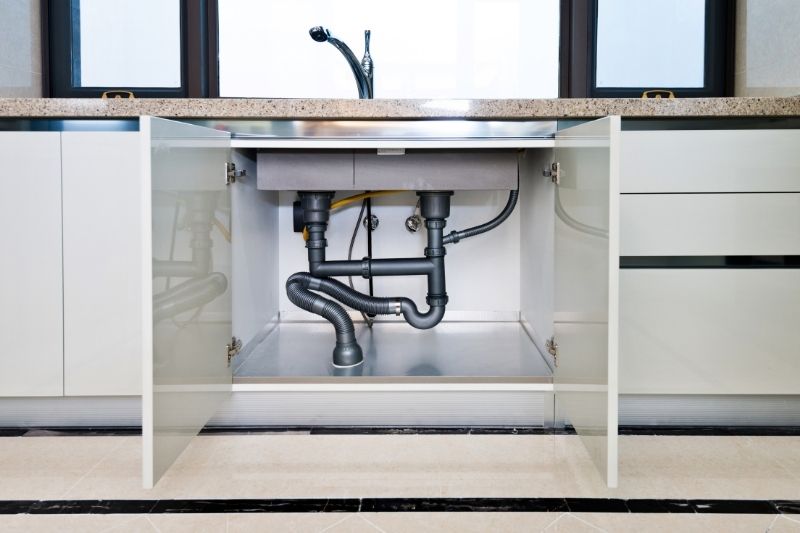
Open cabinet doors under sinks to circulate warm air.
This is especially important for sinks on exterior walls. That warm room air can raise the temperature in the cabinet zone enough to prevent a full freeze.
Use safe space heating in the room (monitored).
If you use a space heater, keep it clear of flammables, don’t overload outlets, and never leave it unattended. Aim it to warm the room and cabinet area—not directly at plastic plumbing parts from inches away.
Heat tape options (installed correctly and safely).
Heat tape can help protect vulnerable lines, but it needs to be installed according to manufacturer directions. It’s not a “wrap it any way and forget it” product—proper placement and power safety matter.
Hair dryer or gentle heat source (no direct high heat on plastic).
A hair dryer on a moderate setting can warm a frozen section slowly. Keep it moving and avoid concentrating high heat in one spot, especially if plastic fittings are present.
Warm towels/hot water bottles for slow, controlled thawing.
This is an underrated method because it reduces shock. Wrap warm towels around the pipe and refresh them as they cool. It’s slower but safer for delicate fittings.
Work from the faucet back toward the frozen section.
Start warming near the open faucet and move along the line toward the suspected freeze. This helps melted water escape and reduces pressure buildup behind the ice.
Repair skirting gaps and secure loose panels.
Skirting isn’t just cosmetic. It blocks wind and reduces cold air circulation under the home, which helps protect pipes and keep floors warmer.
Spot-fix underbelly insulation where pipes are exposed.
A small exposed section near plumbing can be enough to freeze a line. Restoring coverage in those vulnerable spots often delivers a big improvement without a full underbelly overhaul.
Patch torn belly wrap and restore barrier integrity.
The belly wrap helps hold insulation in place and blocks wind from stripping heat away. When it’s torn or sagging, the system stops working as intended.
Reduce wind washing under the home.
Wind washing is when moving air flows through or across insulation and steals heat. Blocking that airflow—by repairing barrier layers and tightening skirting—is one of the most effective long-term freeze prevention moves.
A small drip from vulnerable fixtures (last resort).
A slight drip can keep water moving enough to reduce freezing risk. Use it strategically only during the coldest conditions or when you know a line is vulnerable.
Staggered use to keep lines active.
Spacing out water use can help—especially if the home is occupied and you can keep water moving through the coldest zones periodically.
Prioritize the coldest side/area of the home.
If one side consistently freezes first, that’s where you focus your preventive efforts and monitoring.
Add insulation sleeves to accessible lines.
Foam pipe sleeves are affordable and effective for lines you can reach safely. They’re especially helpful when combined with draft control.
Reroute or protect problem sections when possible.
Sometimes a line is simply too exposed. Protecting it better—or adjusting its path when feasible—can eliminate the repeat-freeze zone.
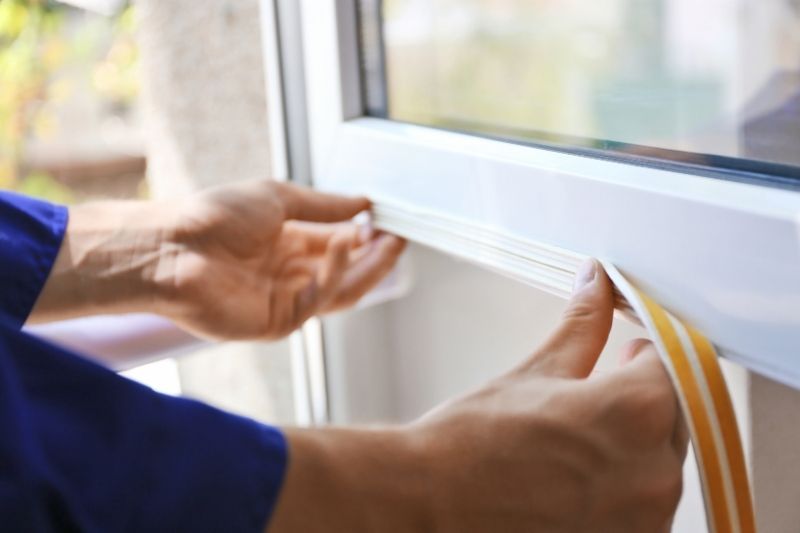
Seal penetrations where cold air enters around pipes.
Cold air often enters at the same places pipes pass through cabinets, floors, or exterior wall areas. Sealing those gaps reduces the cold pocket effect dramatically.
Upgrade failing supply lines and shutoffs proactively.
Older supply lines and valves can be more vulnerable under freeze stress. Proactive upgrades reduce the chances of a weak fitting becoming the failure point when temperatures plunge.
Frozen pipes in mobile homes are rarely just “bad luck.” They’re usually tied to exposure points—skirting gaps, underbelly damage, insulation loss, or drafty penetrations. Homesaver Contracting Company focuses on manufactured and mobile home repair work, with practical fixes that prioritize stability and affordability:
Frozen pipes are stressful, but the solution is bigger than thawing. Getting water flowing again is important—but if cold air is still reaching the same vulnerable lines, the problem usually repeats the next time Michigan temperatures plunge. When those upgrades are handled early, everything gets easier. Your home holds heat more consistently, pipes stay protected during cold snaps, and you’re far less likely to deal with emergency shutoffs, hidden leaks after thawing, or surprise water damage.
If your mobile home pipes freeze every winter—or you’re dealing with low water flow, suspected frozen lines, or underbelly/skirting issues—Homesaver Contracting Company can help with repairs and prevention steps designed specifically for manufactured homes, so your plumbing stays stable and your home stays protected.
Contact Homesaver Contracting Company
Phone: 1(586) 610-8608
Address: 680 Quatro Lane, Addison Township, MI 48367
Email: homesavercontractingco@gmail.com
Website: https://www.homesaverremodeling.com/

We Service Mobile Parks In Michigan Including Macomb County, Oakland County, Lapeer County, St Clair County, Wayne County And More