
We Service Mobile Parks In Michigan Including Macomb County, Oakland County, Lapeer County, St Clair County, Wayne County And More
For emergency service, call now:
(586) 610-8608⚡ Fast Response | Expert Repairs | Trusted Service
March 22, 2026
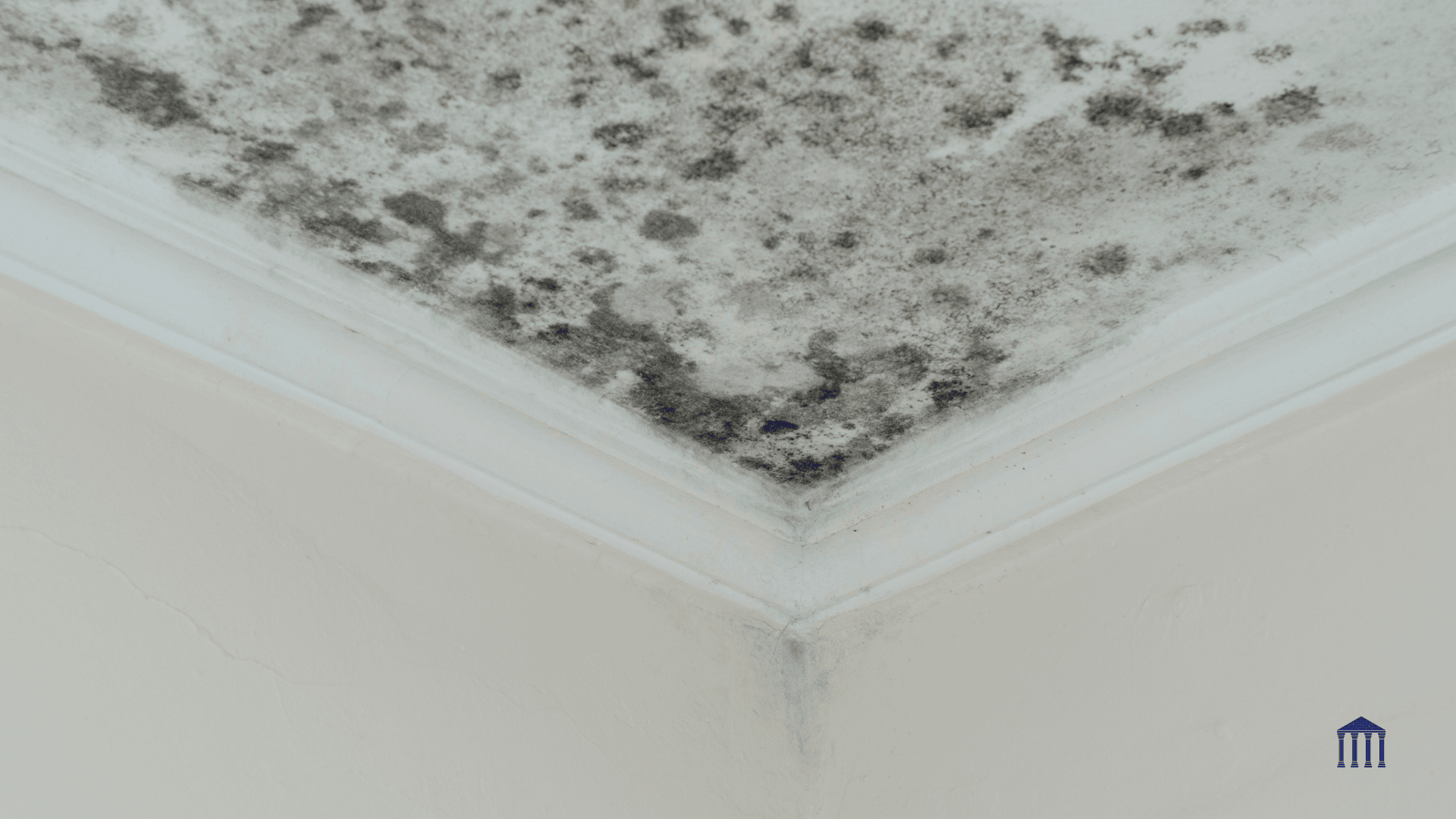
Every year, homeowners across Michigan assume that as winter starts to wind down, the risk of mold stays frozen solid. We typically associate mold with the humid dog days of August, not the slushy, grey transition of early spring. Yet, March often brings a surprising surge in mold problems throughout the state.
The reason? Michigan’s "transition season" creates the perfect storm for hidden moisture buildup. March is notorious for the tug-of-war between seasons—sunny, melting afternoons followed by nights that plunge back into a deep freeze. This cycle causes heavy condensation in attics, crawlspaces, and manufactured home underbellies. Meanwhile, homes remain tightly sealed to combat the lingering chill, trapping winter-long humidity inside.
These conditions allow mold to thrive while the ground is still thawing. Many homeowners are caught off guard when they discover attic mold or damp drywall just as they start thinking about spring cleaning. Understanding why mold appears during this specific month is the first step toward protecting your home.
March weather in Michigan is the king of inconsistency. One day you’re wearing a light jacket; the next, you’re shoveling six inches of heavy, wet snow. These swings create ideal conditions for interstitial condensation inside the home.
Here’s how it happens:
Contrary to popular belief, mold doesn’t die when it's cold. Mold spores are always present indoors—they simply remain dormant until the March thaw provides the "drink" they’ve been waiting for.
Mold only needs three elements to grow:
The attic is ground zero for late-winter mold problems. Warm air from the living space rises and carries the humidity from months of winter living with it. When that air hits the freezing underside of the roof deck, it instantly turns into water.
Several common issues make March attic mold more likely:
By March, Michigan homes have been "buttoned up" for months. Everyday activities have added gallons of moisture to the air:
When indoor humidity levels stay above 40–50%, moisture begins collecting on cold windows and interior surfaces. Even small amounts of condensation create a buffet for mold colonies.
March brings the "big thaw" below ground. As snow melts and the frost line moves, moisture levels in the soil spike, rising directly into crawlspaces. This is particularly dangerous for manufactured homes, where the underbelly insulation can soak up moisture like a sponge, leading to hidden rot and mold growth beneath your feet.
Your furnace is still working hard in March, but it’s also circulating "stale" winter air. If your filters are clogged from a long winter or your ducts have leaks in the crawlspace, your HVAC system may be distributing mold spores and moisture to every room in the house.
DIY mold cleanup is often a temporary fix. In March, the moisture cycle is still active. Simply wiping away the surface mold doesn't address the root cause—the ventilation or insulation issue. Professional remediation ensures the moisture source is killed at the "root" so it doesn't return when the spring rains arrive.
The experts at Homesaver Contracting Company use advanced tools like thermal imaging and moisture meters to see what’s happening behind your walls. We evaluate:
March mold growth isn’t a mystery—it’s a predictable response to the "freeze-thaw" cycle. Even when the air outside feels crisp, the combination of melting snow and trapped indoor humidity creates a greenhouse effect inside your home's structure.
Staying alert to the warning signs—musty smells, wet windows, or damp crawlspaces—can save you thousands in structural repairs. Catching the problem during the March thaw is the best way to ensure a healthy, mold-free summer.
Homesaver Contracting Company provides trusted, effective solutions for Michigan mold growth, attic condensation, and crawlspace moisture. Whether you live in a traditional build or a manufactured home, our team is ready to restore your air quality.
Homesaver Contracting Company
📞 Phone: 1 (586) 610-8608
📍 Address: 680 Quatro Lane, Addison Township 48367
📧 Email: homesavercontractingco@gmail.com
🌐 Website: https://www.homesaverremodeling.com/

We Service Mobile Parks In Michigan Including Macomb County, Oakland County, Lapeer County, St Clair County, Wayne County And More