
We Service Mobile Parks In Michigan Including Macomb County, Oakland County, Lapeer County, St Clair County, Wayne County And More
For emergency service, call now:
(586) 610-8608⚡ Fast Response | Expert Repairs | Trusted Service
June 9, 2026
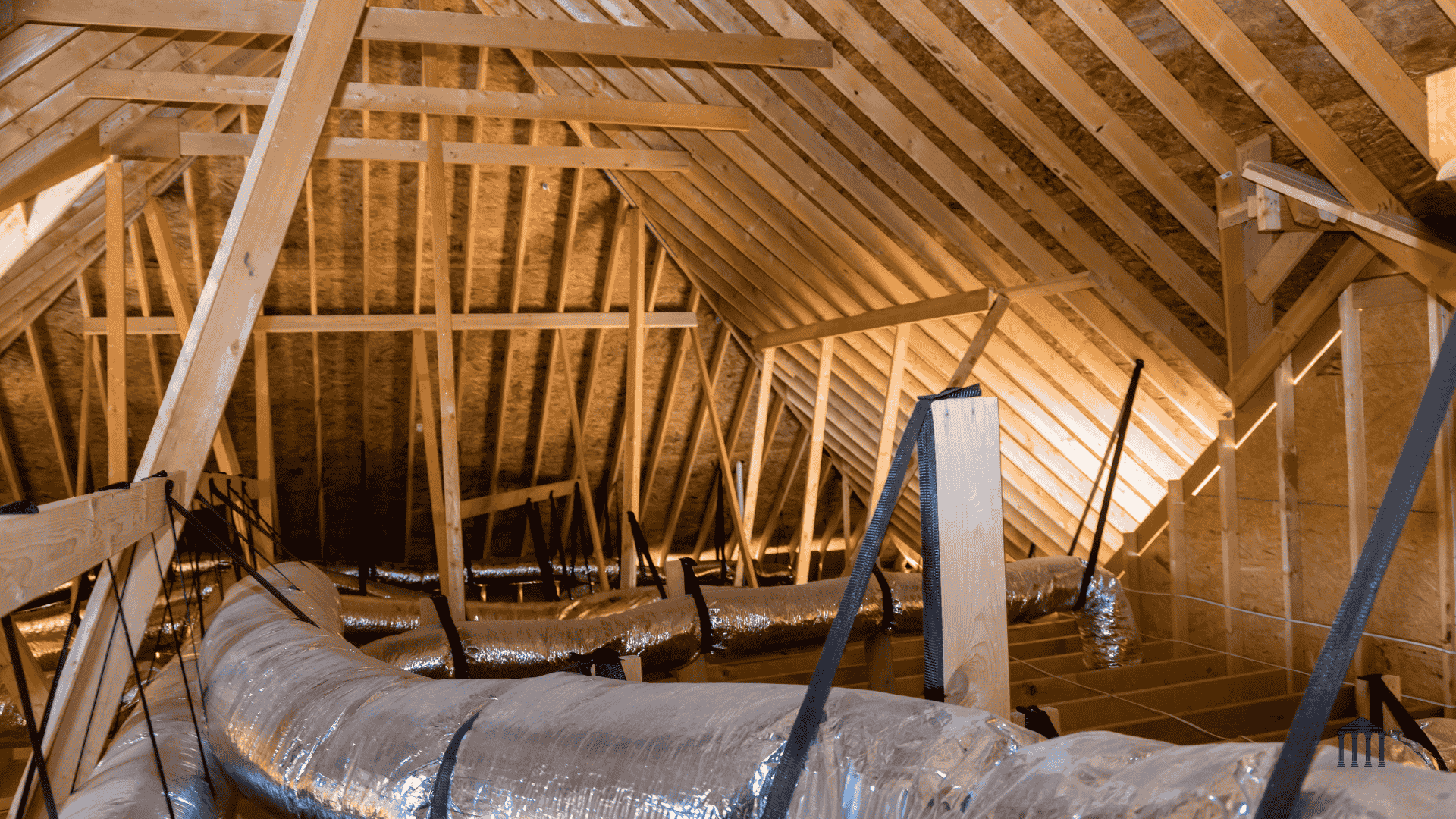
Winter can quietly leave behind more than just cold memories, it can create conditions inside your home that lead to hidden damage. As temperatures fluctuate and moisture builds, areas like the attic often become vulnerable without immediate signs. What seems like a harmless seasonal shift can turn into a deeper issue affecting the structure, air quality, and comfort of your home.
For many homeowners, the attic is out of sight and out of mind, especially during the colder months. But while you’re focused on staying warm, your home may be dealing with excess humidity, condensation, and trapped moisture overhead. These conditions create the perfect environment for mold to develop, often without any obvious warning until the problem has already spread.
By the time spring arrives, what started as minor winter condensation damage can evolve into a more serious issue requiring professional attention. Understanding how and why attic mold forms after winter is the first step in protecting your home, your investment, and the health of everyone inside.
One of the most common causes of attic mold is condensation that forms during colder months. As warm, moisture-filled air rises from your living space, it comes into contact with the cold underside of your roof. This temperature difference creates the perfect conditions for water droplets to form and accumulate over time.
Key factors that contribute to condensation-related moisture include:
Even small amounts of condensation can become a major issue when it occurs consistently over weeks or months.
Proper airflow is essential for keeping moisture levels under control, but winter often works against your home’s ventilation system. Homes are typically sealed tighter to conserve heat, which can trap humidity indoors and prevent it from escaping through the attic.
Common ventilation-related issues include:
Without adequate ventilation, moisture lingers in the attic instead of being carried away, allowing mold to develop unnoticed.
Insulation plays a critical role in maintaining temperature balance, but when it’s damaged, uneven, or outdated, it can actually contribute to moisture problems rather than prevent them. Poor insulation allows heat to escape into the attic, increasing the likelihood of condensation forming on cold surfaces.
Problems tied to insulation often include:
When insulation isn’t doing its job properly, it creates the kind of inconsistent environment where moisture can accumulate and linger.
In many cases, the first signs of mold are small and easy to dismiss. These changes may not seem significant at first glance, but they often point to ongoing moisture problems that need attention.
Watch for:
These subtle visual cues are often the earliest indicators that moisture has been present long enough to support mold growth.
Even though attic mold is hidden, its effects can spread throughout your home. Mold spores can travel through air circulation systems, impacting the air you breathe every day.
Signs related to air quality may include:
If these issues seem to worsen after winter, your attic could be the source.
As mold and moisture continue to affect your attic, they can begin to impact the structural components of your home. These signs often indicate that the problem has progressed beyond the early stages.
Be alert for:
These warning signs suggest that moisture has moved beyond surface-level issues and may be affecting the integrity of your home.
Mold thrives on organic materials like wood, which makes your attic framing and roof decking especially vulnerable. Over time, consistent exposure to moisture and mold growth can begin to break down these materials.
Key structural concerns include:
When mold is allowed to persist, it doesn’t just sit on the surface—it penetrates materials, making restoration more complex and expensive.
Even though attic mold is out of sight, it can still impact your health. Mold spores are microscopic and can travel through your home’s ventilation system, circulating into living spaces without you realizing it.
Potential health effects include:
If anyone in your household is experiencing unexplained respiratory symptoms, your attic could be contributing to the problem.
Moisture doesn’t just damage materials—it also affects how efficiently your home operates. When insulation becomes damp, it loses its ability to regulate indoor temperatures effectively.
This can lead to:
Over time, this added strain on your HVAC system can increase energy bills and reduce overall comfort.
Attic mold isn’t something that can be fully resolved with surface-level cleaning. Without addressing the underlying moisture source, the problem is likely to return. Professional remediation ensures that both the mold and the cause are properly handled.
Working with experienced professionals provides:
A thorough approach not only removes existing mold but also helps prevent future growth.
Effective attic mold removal involves more than just cleaning visible areas. It requires a step-by-step process designed to eliminate contamination and restore a healthy environment.
Typical remediation steps include:
By addressing both the symptoms and the root cause, professional remediation helps ensure long-term results and peace of mind.
Attic mold after winter is often overlooked because it develops out of sight, but its impact can be significant. What starts as minor condensation can evolve into structural damage, poor air quality, and rising energy costs if left unaddressed. Over time, these issues don’t just affect your attic—they begin to impact the overall safety, comfort, and efficiency of your entire home.
Taking a proactive approach is key. Regular inspections, proper ventilation, and effective humidity control solutions can make a meaningful difference in preventing mold from taking hold. Addressing small warning signs early helps protect your investment and ensures your home remains a healthy, stable environment year-round.
If you suspect attic mold or have noticed signs of winter condensation damage, don’t wait for the problem to worsen. Homesaver Contracting Company specializes in attic mold removal in Michigan, including mold remediation in Shelby Township and surrounding areas. Our experienced, in-house team is committed to delivering high-quality repairs, moisture control solutions, and long-term protection for your home.
📞 Phone: 1 (586) 610-8608
📍 Address: 680 Quatro Lane, Addison Township, MI 48367
📧 Email: homesavercontractingco@gmail.com
🌐 Website: https://www.homesaverremodeling.com/

We Service Mobile Parks In Michigan Including Macomb County, Oakland County, Lapeer County, St Clair County, Wayne County And More